
We can start to develop body image concerns as early as six years old. Film, TV, advertising and magazines have long exerted a strong influence on our ideas of what a ‘perfect’ body looks like, and how we fail to live up to those standards. Dr Jasmine Fardouly was one of the first researchers to begin looking at how social media amplifies this effect, and now she’s determined to reduce body image concerns damaging our health.
“Body image concerns are a strong, limiting force within society,” says Dr Fardouly, a Sydney Horizon Fellow in the School of Psychology.
They've been linked to the development of eating disorders, depression, social anxiety and generalised anxiety.
“I’m working to make social media a healthier space and empower young people with the tools they need to overcome these concerns so they can live healthier, more fulfilling lives.”
Dr Fardouly began studying body image in her undergraduate degree, where she contributed to research analysing how the magazine industry impacted people’s relationships with their bodies.
"After the 1990s and early 2000s, it became increasingly clear that the images people saw in magazines and on TV were neither accurate nor attainable representations of real bodies—and that this could negatively impact not only mental health, but overall physical health as well."
As part of her PhD, Dr Fardouly expanded this framework to digital media, becoming one of the first researchers to examine how emerging platforms like Facebook, Instagram and Twitter affect body image. Dr Fardouly’s work has been recognised as among the most influential in her field, with her research ranking in the top one percent of citations in 2024.
Appearance comparison
While it might be obvious that the images we see on social media are heavily curated—if not heavily edited—many of us can’t help but compare our own lives with those we see on the screen.
“Appearance comparison is really what drives those negative feelings we might experience,” says Dr Fardouly.
“There are a lot of complexities involved in these types of comparisons, but my research has shown that girls and young women on social media have a higher tendency to make appearance comparisons.”
These findings are drawn from studies in Australia, the UK, Belgium, India, China, and Iran, showing the problem transcends cultural and geographic boundaries.
“Through robust, scientific analysis, we were able to demonstrate in all of these locations that unrealistic and unattainable beauty standards drive poor health outcomes—mainly for women but also for men.
The research has also highlighted that, over time, these trends have changed.
“Social media became popular around the time smartphones became available with cameras. We saw a lot of selfies posted on social media, and with them, a rise in people's concerns about their facial appearance. It became apparent that we need to consider concerns related to the face as well as weight and shape when considering the impact of social media on body image.
These factors are important to account for as Dr Fardouly works to promote the use of diverse body imagery on social media and empower people to protect their mental health.
“It can’t be a one-size-fits-all approach."
We’re all born in different bodies, but we don’t get to see that reality reflected on social media. I want to change that because evidence shows that positive depictions of our diverse body types reduces the stress and concerns that social media users feel.
Dr Jasmine Fardouly, Sydney Horizon Fellow
Body positive content
Dr Fardouly is working with policymakers and advertisers to promote diversity in the images we see online.
“We’re all born in different bodies, but we don’t get to see that reality reflected on social media. I want to change that because the evidence clearly shows that positive depictions of diverse body types reduces the stress and concerns that social media users often feel.”
Dr Fardouly has collaborated with global researchers to further her research, including academics at the UK’s Centre for Appearance Research, which works with global brands—including Dove and Nike—to increase diversity in their advertising materials.
“Social media has exacerbated this problem, but it can also be a tool that helps solve it if we can encourage advertisers and social media platforms to showcase natural diversity. My research shows this does have a positive impact, by helping to reduce body image concerns that contribute to depression, anxiety, and the development of eating disorders.”
But this is just one piece of the puzzle, says Dr Fardouly. Through the Horizon Fellowship program, Dr Fardouly is able to expand the reach of her work to explore more avenues to reduce the harms of social media.
“I’m also developing micro-interventions based on my research—practical techniques to help people look after their mental health while engaging with social media. While there has been encouraging progress from some parts of the social media industry, self-help strategies and guidance from trained mental health professionals will remain important in protecting people’s health.”
Tips for protecting your mental health on social media
- Unfollow accounts that post content promoting beauty ideals
- Follow more accounts with imagery of diverse, unedited bodies
- Take a break from social media if you find it is making you feel bad
Dr Jasmine Fardouly is a Sydney Horizon Fellow in the University of Sydney School of Psychology. Sydney Horizon Fellowships empower the world's best and brightest emerging academics to undertake innovative research that contribute to the common good by addressing the complex challenges of climate change, health and sustainability.
Anyone needing support with eating disorders or body image issues is encouraged to contact:
- Butterfly National Helpline on 1800 33 4673 (1800 ED HOPE) or support@butterfly.org.au
- For urgent support, call Lifeline 13 11 14
The Butterfly National Helpline is a free, safe, and confidential service providing counselling, support groups, information, and referrals to health professionals around Australia screened for an understanding of eating disorders. All Butterfly National Helpline counsellors are qualified mental health professionals with specialist training in eating disorders and body image.
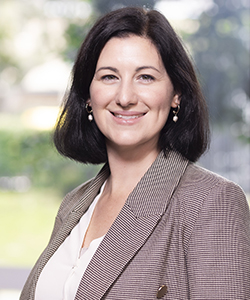
Manual Name : Dr Jasmine Fardouly
Manual Description : Sydney Horizon Fellow, School of Psychology
Manual Address :
Manual Addition Info Title :
Manual Addition Info Content :
Manual Type : profile
_self
Auto Type : contact
Auto Addition Title :
Auto Addition Content :
Auto Name : true
Auto Position : true
Auto Phone Number : false
Auto Mobile Number : true
Auto Email Address : true
Auto Address : false
UUID :