
As nations around the world grapple with how emerging technologies intersect with justice, a new University of Sydney study is looking to Malaysia for insights on the role of artificial intelligence (AI) in criminal sentencing.
Funded by a Sydney South East Asia Centre Ignition Grant, the project Exploring the Role of AI in Criminal Justice: Lessons Learned from Practitioners in Malaysia is a timely and globally relevant collaboration between Professor Azrini Wahidin Head of the School of Social and Political Sciences (Faculty of Arts and Social Sciences), Professor Lemuria Carter (Deputy Dean) from the Business School, and Dr Haezreena Hamid from the University of Malaya’s Faculty of Law.
Malaysia: A regional leader in AI and law
Advancements in artificial intelligence have revolutionised criminal justice practices, and the diffusion of AI innovations will not only transform organisational behaviour but proliferate faster than policies and regulations.
With Malaysia currently undergoing a national criminal justice review, the country has emerged as a key site for studying how technology and justice intersect.
At the heart of this is Malaysia’s pioneering development of AI-based sentencing tools—namely, the Artificial Intelligence Sentencing System (AISS), also known as the Artificial Intelligence in Court System (AiCOS). These tools, first launched in Sabah and Sarawak in 2020, are now being gradually introduced across Peninsular Malaysia.
Expanding the role of AI in the criminal justice system in supporting but not supplanting the sentencing process requires a great deal of consideration, as to what is essentially a human enterprise.
If employed responsibly, human algorithmic learning provides the potential to make sentencing more consistent, fairer and the delivery of justice more balanced.
If countries don’t embrace AI, the use of AI-enabled technology, and as AI innovations evolve, a digital divide may deepen in relation to international criminal justice practices, individuals and countries that can effectively access, use, and understand these innovations in a period of technological transformation.
“This is a transformative moment,” said Professor Wahidin.
“Malaysia is among one of the first countries in the region to formally adopt AI technologies in its courts. It provides a rare opportunity to explore what this means not only in terms of technological capabilities, but also judicial perceptions, fairness, and public trust.”
“This is a transformative moment, Malaysia is among one of the first countries in the region to formally adopt AI technologies in its courts. It provides a rare opportunity to explore what this means not only in terms of technological capabilities, but also judicial perceptions, fairness, and public trust.
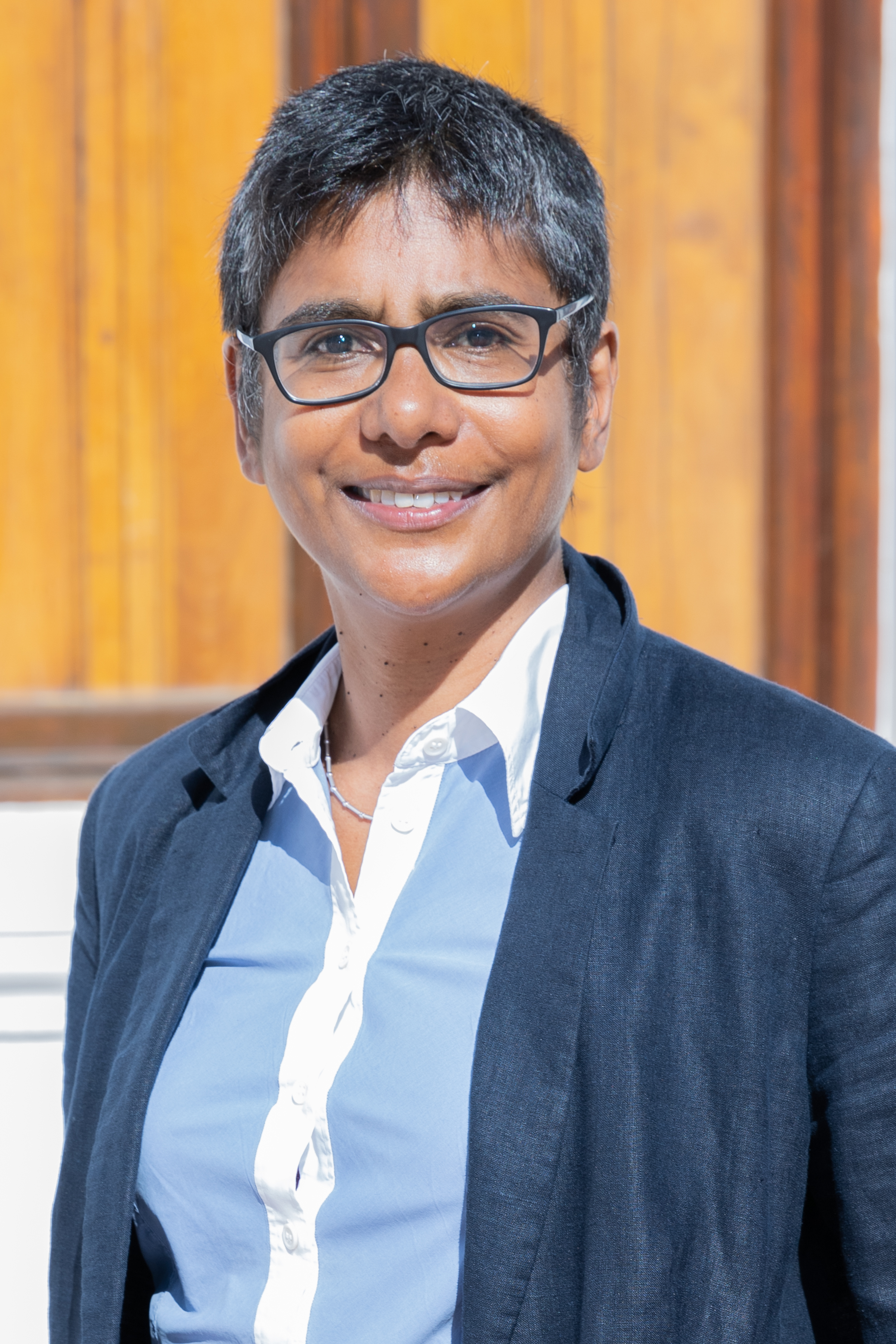
Professor Azrini Wahidin
Understanding the views of legal practitioners
The study is distinct in its approach. Rather than examining only technical outcomes, the research foregrounds the voices and perspectives of those working within the criminal justice system—judges, magistrates, and other key personnel.
“There is a significant gap in what we know about how practitioners view the introduction of AI in sentencing,” Professor Wahidin said.
“Our research aims to fill that gap, offering nuanced insights that can help inform both Malaysian policy and broader international discussions.”
Since the introduction of AISS, debates around the role of automation in legal decision-making have intensified. Proponents argue that AI can bring greater consistency and efficiency to sentencing decisions, while critics warn of over-reliance on algorithms that may lack transparency or reinforce existing biases.
In 2021, Malaysia’s Chief Registrar of the Federal Court announced plans to expand AI sentencing guidelines across more courts—a move that only sharpened the need for evidence-based understanding.
“Technology is advancing faster than policy,” Professor Wahidin added.
“That’s why it’s crucial to hear from those directly involved in delivering justice. How do they perceive these systems? Do they trust them? Do they feel they enhance or undermine their discretion? These are the kinds of questions we’re asking.”
Contributing to global conversations on justice
The project is also aligned with Malaysia’s broader ambitions in digital governance. In 2024, the country launched a national artificial intelligence office tasked with accelerating AI adoption across sectors including law and public administration.
By capturing insights from legal practitioners, the research will provide practical guidance for policymakers navigating the balance between innovation and ethics in criminal justice.
“This work is not just about Malaysia,” said Professor Wahidin.
“It’s about how societies everywhere can think critically and carefully about the role of AI in decisions that affect people’s lives.”
Manual Name : Professor Azrini Wahidin
Manual Description : School of Social and Political Sciences
Manual Address :
Manual Addition Info Title :
Manual Addition Info Content :
Profile image : /content/dam/corporate/images/faculty-of-arts-and-social-sciences/news-and-events/2023/july/azrini-wahidin.jpg
Manual Type : profile
_blank
Auto Type : contact
Auto Addition Title :
Auto Addition Content :
Auto Name : true
Auto Position : true
Auto Profile image :
Auto Phone Number : false
Auto Mobile Number : true
Auto Email Address : true
Auto Address : false
UUID :