
Gender and sexuality are relevant to the lives of every young person, but discussion of these topics is often avoided in classrooms. STIR: Seeing Talking, Interrogating, Reflecting is a collection of classroom activities designed to help educators make space for critical conversations about gender and sexuality.
“Over the last few years gender and sexuality diversity have been politicised in a way that affects all of us, but especially LGBTQ+ individuals and communities," said Dr Victoria Rawlings, ARC DECRA Fellow and STIR lead author.
"More than ever, it is important for young people to consider how attitudes and norms around gender and sexuality can function to suppress and oppress difference and diversity in their everyday lives.”
Talking about gender and sexuality with young people is critical for their personal, relational, and civic education. Research has shown that these topics are often avoided in the classroom due to a lack of teacher confidence or because of broader political circumstances. STIR is designed to give teachers an additional resource to assist them to lead and navigate conversations about gender and sexuality with care and assurance.
This research gives us a platform to consider how we can better respond to the sometimes damaging ways that gender and sexuality play out in school communities.
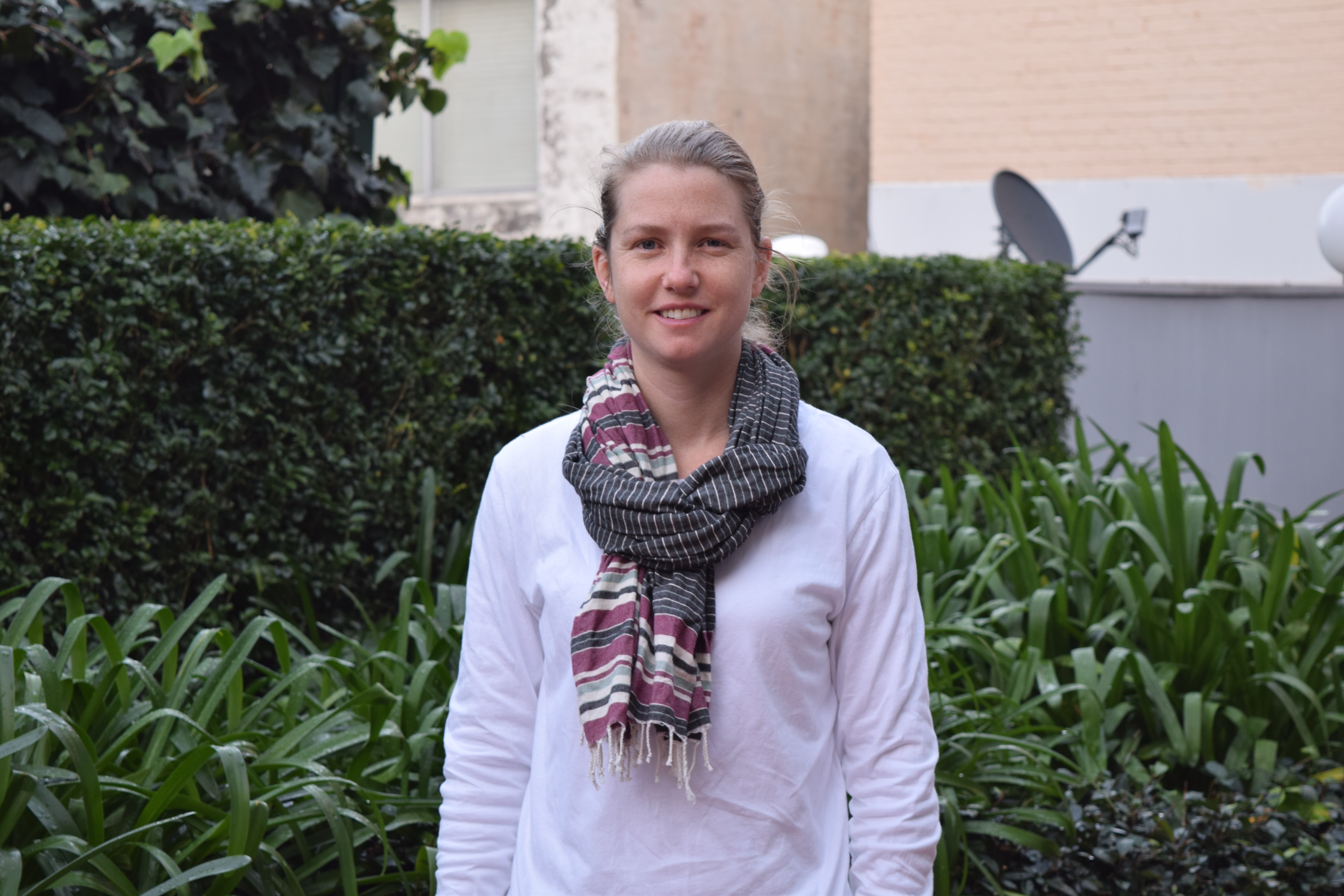
Dr Victoria Rawlings
Senior Lecturer and ARC DECRA Fellow in the Sydney School of Education and Social Work
The activities included in STIR are designed to be most effective when embedded in a broader school culture committed to supporting gender and sexuality diversity and reducing violence. The resources provide teachers and young people with new ways to frame, question and reflect on norms that they encounter in their daily exchanges with others.
“The way young people choose their subjects, what they wear, their extra-curricular interests, and even what they talk about can all be influenced by gender norms," Dr Rawlings said.
"Building a greater consciousness of these influences will empower young people to be critical consumers of gender norms. In addition, we hope the activities help young people to recognise and to disrupt gendered violence.”
Topics addressed in STIR include how young people define themselves, encounters on the internet, gender norms within AI, and everyday interactions that can increase or decrease belonging and connection with others. The activities engage the gender and sexuality norms that students regularly encounter, providing them with opportunities to develop a shared language for talking about diversity and inclusion.
“Students deserve to have conversations about the world that they negotiate and live in," said Lydia Fagan, PhD candidate and STIR co-author.
"Every day, young people navigate misogyny, homophobia, and transphobia but also feelings of attraction, of difference, of belonging and not belonging. STIR gives teachers tools to help students interrogate the gendered and sexual terrain they walk through.”
Photo (L-R): Dr Premeet Sidhu, Dr Victoria Rawlings, Professor Lee Wallace, Katie Bird (Consent Labs), Angelique Wan (Consent Labs), Emily Herdman, Zali Steggall MP, Noah Bloch (Consent Labs), Lydia Fagan, Dr Xavier Ho, Gillian Wu (Consent Labs) Photo credit: University of Sydney
70
manual
Link“The many professionals that work within and around schools know the very real ways that gender and sexuality play out in the worlds of young people. But this knowledge does not translate into opportunities to talk about these things, even though they deeply impact the safety and health outcomes of students," Dr Rawlings said.
"This research gives us a platform to consider how we can better respond to the sometimes damaging ways that gender and sexuality play out in school communities.”
STIR: Seeing Talking, Interrogating, Reflecting launched at the University of Sydney Symposium of Gender, Sexuality and Schooling on 25–26 June, 2025. The symposium presented cutting-edge scholarship from recent research into the ways that gender and sexuality matter at school, including their effect on student belonging, connectedness, academic performance, and relationships.
The project is funded by the NSW Department of Communities and Justice through the NSW Sexual Violence Project Fund, which supports early interventions to sexual and gender-based violence.
Manual Name : Dr Victoria Rawlings
Manual Description : Senior Lecturer and ARC DECRA Fellow in the Sydney School of Education and Social Work
Manual Address :
Manual Addition Info Title :
Manual Addition Info Content :
Profile image : /content/dam/intranet/images/news-initiatives/news/2016/october/victoria rawlings.jpg
Manual Type : profile
_self
Auto Type : contact
Auto Addition Title :
Auto Addition Content :
Auto Name : true
Auto Position : true
Auto Profile image :
Auto Phone Number : false
Auto Mobile Number : true
Auto Email Address : true
Auto Address : false
UUID :
Manual Name : Professor Lee Wallace
Manual Description : Director, Sydney Social Sciences and Humanities Advanced Research Centre
Manual Address :
Manual Addition Info Title :
Manual Addition Info Content :
Profile image : /content/dam/intranet/images/news/2024/lee-wallace.jpg
Manual Type : profile

_self
Auto Type : contact
Auto Addition Title :
Auto Addition Content :
Auto Name : true
Auto Position : true
Auto Profile image :
Auto Phone Number : false
Auto Mobile Number : true
Auto Email Address : true
Auto Address : false
UUID :