Graduate Diploma in Logistics and Supply Chain Management

Ranked 1st in Australia and 8th in the world for Transportation Science and Technology*

Domestic student, 2027

Compare (0)

Why Graduate Diploma in Logistics and Supply Chain Management?

In this course, you will learn to apply the concepts and techniques at the heart of logistics and supply chain management, enhancing your career and enabling you to progress to a master’s qualification.

Based on our Master of Logistics and Supply Chain Management, but requiring fewer units of study, this course is designed for students who wish to develop specialist skills in this fast-growing global sector. 

*2025 ShanghaiRanking Global Ranking of Academic Subjects

Overview

Fees

CSP
A$13,519*

This is the indicative total student contribution amount to complete this course

Full Fee Paying
A$30,225*

This is the indicative total tuition fee to complete this course

Estimate only. View complete fee details

Duration

1 year full-time
(Available part-time)
Not available to student visa holders.

Intake/s

Semester 1 - February
Semester 2 - August
Check semester start dates

campus Location

This course is delivered at:
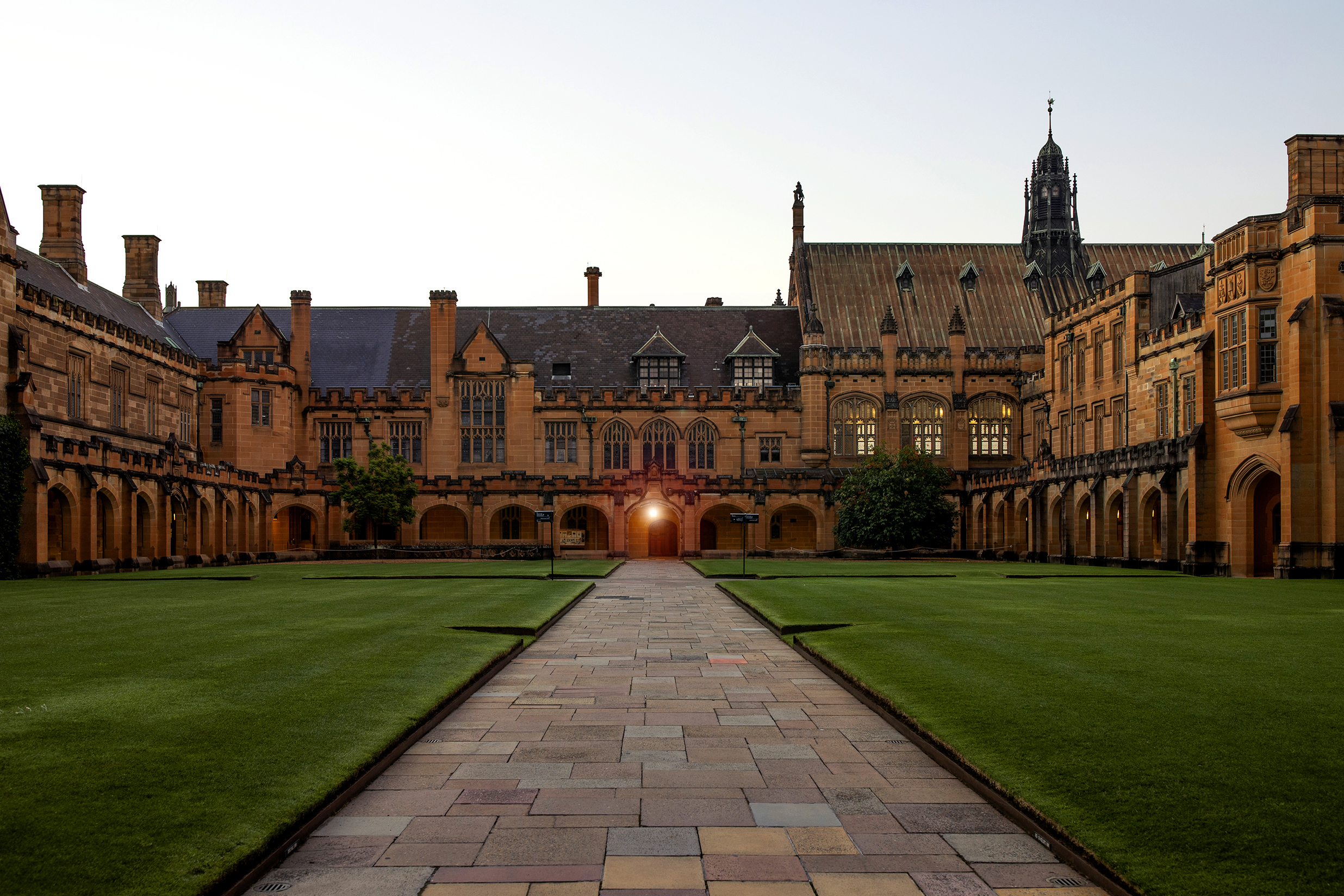
The University of Sydney (Camperdown/Darlington campus)

Study mode

Face to face

Additional info

Credit points :
36
Total amount of credits points required to complete this course. All subjects have a credit point value to indicate their contribution towards completing the course.
GNLSCMGT1000

What you’ll study

Logistics and supply chain management are rapidly changing, global industries. With a strong focus on resilience, analytics, sustainability, ethics and responsible management, our future-focused postgraduate program will equip you with the relevant skills for a successful and rewarding career.

Core units of study

  • Production and Operations Management
  • Introductory Supply Chain Analysis
  • Global Distribution Strategy
  • Sustainable Logistics and Procurement

Elective units of study

  • Supply Chain Planning and Design
  • Logistics and Supply Chain Management Systems
  • Managing Supply Chain Distribution
  • Logistics and Future Cities
  • Spatial Analytics
  • Maritime Management and Logistics
  • Aviation Management and Logistics
  • Introduction to Dashboarding and Data Visualisation
  • Environmental Footprints and IO Analysis
  • Life Cycle Analysis

2027 tuition fees

AUD$30,225

This is the indicative total tuition fee to complete this course

Your Fees Explained

This is an estimate

This is an indicative amount based on the total amount of credit points required for completion of this course. Depending on the calendar year in which you undertake your study, and if your study load is more or less than the 1.0 EFTSL, your tuition fee will differ from the indicative amount. 

How to calculate your tuition fee

Additional costs, fees and incidentals

For most courses, there are other costs in addition to the tuition and/or student contribution amount, such as the Student Services Amenities Fee. Some are significant and can include course-specific materials, tools, protected clothing and equipment. Other costs may include application fees and credit card surcharges.

Scholarships

Whether you’re starting out, wanting to further your career, or pursuing a passion, let’s make it happen.

Entry requirements

1

Qualifications

Mandatory for course entry

To be considered for admission to the Graduate Diploma in Logistics and Supply Chain Management, an applicant is required to have:

  • a bachelor’s degree or higher qualification (or equivalent) at an institution approved by the Business School and graded at a standard acceptable to the Business School;
  • satisfaction of the English language requirements; and
  • any other minimum standards specified by the Business School; or
  • completion of the requirements of the Graduate Certificate in Logistics and Supply Chain Management from the University of Sydney with a minimum credit average, or equivalent qualification.

International qualifications

For qualifications awarded outside Australia, equivalencies and entry requirements are determined based on the country, institution, and qualification.

Recognition of prior learning

Related study may be credited towards your degree. This may also include relevant work experience for some postgraduate courses. Learn more

2

English Language Requirements

Mandatory for course entry

You may need to provide evidence of your English proficiency to study with us. Find out which requirements are applicable to you below:

Option 1
English language requirements

If English is your first language, you need to have citizenship or permanent long-term residency (minimum 10 years) and completed secondary or higher education (tertiary) studies in an English-speaking country recognised by the University.

List of recognised English-speaking countries

American Samoa, Australia, Bahamas, Barbados, Belize, Botswana, Canada (excluding Quebec), Fiji, Gambia, Ghana, Gibraltar, Guyana, Ireland, Jamaica, Kenya, Lesotho, Liberia, New Zealand, Nigeria, Papua New Guinea, Samoa, Singapore, Solomon Islands, South Africa, Tonga, Trinidad and Tobago, United Kingdom (including Northern Ireland), United States of America, Zambia, Zimbabwe.

Option 2
English is NOT my first language

If English is not your first language, you will need to provide proof of your English proficiency before you can commence your studies at the University.

You can do this either by demonstrating that you have completed specific secondary or tertiary qualifications, by taking an English language skills test, or by completing a relevant English language course at the University’s Centre for English Teaching.

IELTS score A minimum result of 7.0 overall and a minimum result of 6.0 in each band
TOEFL - IBT score A minimum result of 96 overall including a minimum result of 17 in Reading, Listening and Speaking and 19 in Writing
Pearsons Test of English A minimum result of 72 overall and a minimum result of 60 in each band

How to apply

Submit application

Apply early as applications can close prior to the advertised closing dates if course capacity is reached. 

Closing dates

Semester 1

31 January of the commencing year.

Semester 2

15 July of the commencing year.

Scholarship applications

Separate deadlines apply for scholarships.

View scholarship closing dates