
Extreme heat in Australia claims more lives than any other natural disaster combined. It is particularly dangerous for the elderly, people with cardiovascular disease, children, and pregnant women. Some socio-economic factors also aggravate the health risk. After conducting his PhD research in aged care facilities that could not always keep people safe from heat, Dr Federico Tartarini is determined to design accessible solutions to manage heat in a warming world.
“I want to make free and open-source tools and applications that everyday people can use, so that we don’t just survive heatwaves that are becoming longer, more frequent, and intense. My aim is to help people thrive in a hotter world,” says Dr Tartarini, a Sydney Horizon Fellow and Senior Lecturer in the School of Architecture, Design and Planning.
Part of the issue with current heat management solutions, says Dr Tartarini, is that they mainly rely on temperature which is measured in the shade. Moreover, heat stress models are based on healthy adults rather than the people most affected by the heat.
He’s working to tackle this problem with the Heat and Health Research Centre, a multidisciplinary lab led by the Faculty of Medicine and Health, and the Sydney Environment Institute by gathering evidence on how different environmental factors like temperature or humidity, and personal influences like activity, age, and clothing impact people’s ability to cope with the heat.
“Our work has been keenly adopted by a range of organisations, from elite sporting bodies through to local councils and the Queensland government. It has been instrumental to protect people in the community to reduce their heat health risk and players and staff on hot days without compromising on the quality of the game or service delivery. In major international sporting competitions, our work has led to fewer players suffering heat stress and fewer interruptions to matches.”
Just as we need to be mindful about our eating habits to maintain a healthy lifestyle – rather than using a run to compensate for eating junk food, for example – we also need to avoid overcompensating for poor building design by blasting air-conditioning on hot days.
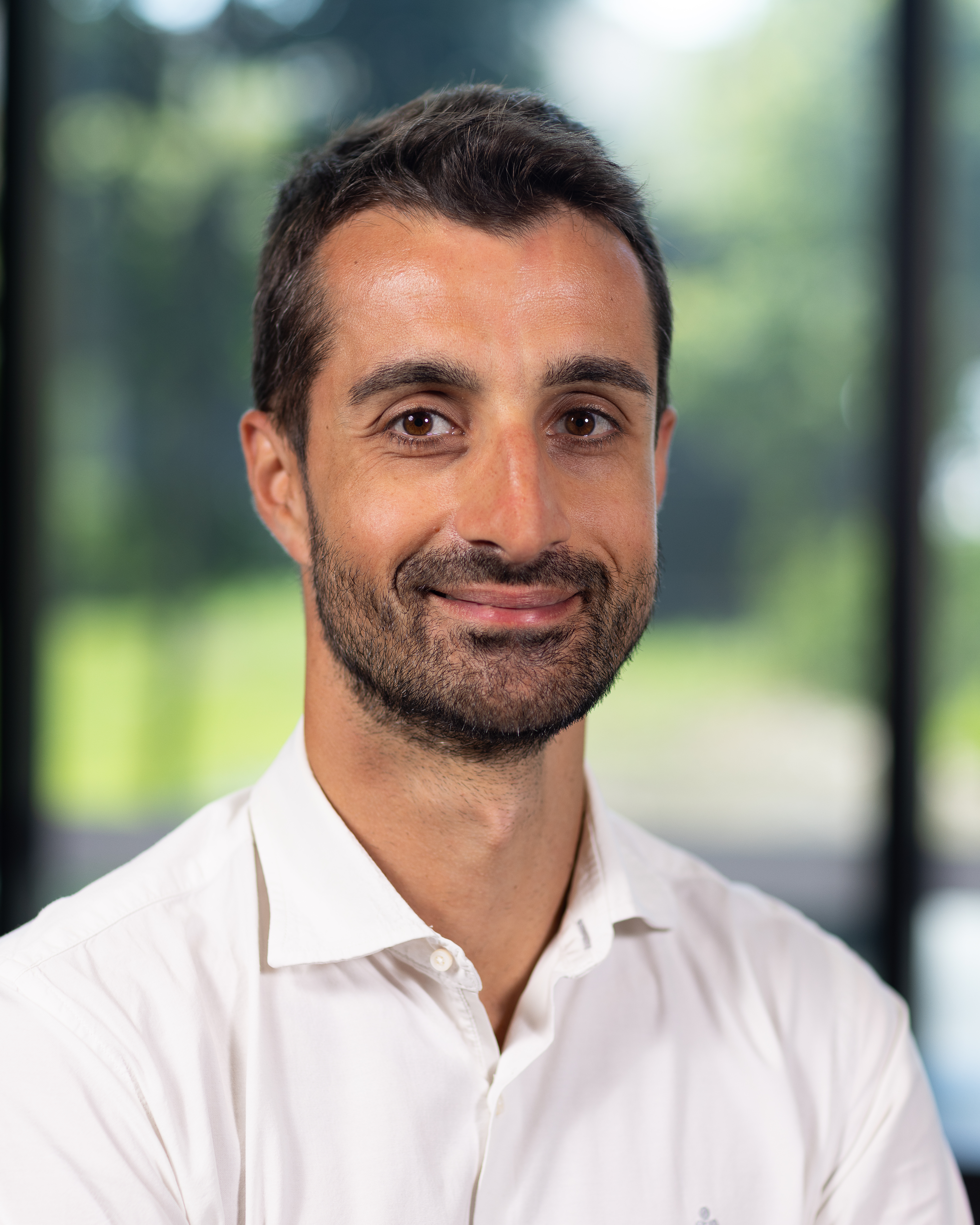
Dr Federico Tartarini
Apps put research in people’s hands
Dr Tartarini leads the Landscapes and the Built Environment research theme at the Heat and Health Research Centre. He is also co-leading the climate disaster and adaptation theme at the Sydney Environment Institute. He has developed and maintains several free and open-source software and web-based tools like the HeatWatch application, the SMA Extreme Heat Tool.
The HeatWatch app enables the public to calculate a personalised heat risk score, provides suggestions on how to easily and affordably stay comfortable and cool. It allows users to plan their day by showing seven days of risk forecast, and it is used by thousands of people in Australia.
Dr Tartarini used his background in engineering, computer science, and human thermal physiology to help build other digital tools. These include, but are not limited to pythermalcomfort – Python package for thermal comfort analysis and the CBE Thermal Comfort Tool – the most widely used free and online web app to calculate and visualise the results of complex thermal comfort calculations.
“The Horizon Fellows program has been a great chance to focus on longer-term research projects by giving me more time to really delve into my research and be bolder in my work than if I was operating under typical short-term research contracts.”
“The University has also supported me to make my research open-source and accessible, as well as helped guide our team through the process of getting HeatWatch adopted by community partners. We’ve worked with Queensland Health, NSW Health, South-Western Sydney Local Health District, Sweltering Cities, Sydney Environment Institute, Western Sydney Community Forum, Western Sydney Regional Organisation of Councils, Sydney Children’s Hospitals Network and Sydney Alliance.”
Dr Federico Tartarini setting up heat lamps for his experiments on thermal comfort.
50
automatic
LinkSparking an interest in health
Dr Tartarini hasn’t always had a health focus. In fact, he originally trained as an energy engineer.
“That is where I got my interest in energy efficiency from. I’m still trying to find ways to make sure we use our resources like electricity wisely. In my current work, that’s by figuring out how we can design buildings to be less reliant on air-conditioning, or by making lifestyle choices that keep us out of the heat of the day.”
Dr Tartarini began moving into the health and building science research fields when he “began working with aged care facilities to improve how they operated their buildings to keep their clients thermally comfortable and safe.”
“When I started looking into this more, I realised there was a lot I could do to help protect the health of our most vulnerable communities from the negative effects of global warming.”
More than a quick fix: Addressing the source of heat stress
“Just as we need to be mindful about our eating habits to maintain a healthy lifestyle – rather than using a run to compensate for eating junk food, for example – we also need to avoid overcompensating for poor building design by blasting air-conditioning on hot days.
“We should first optimise how building operate and then find the best renewable technology to produce the energy needed to run the building.”
Dr Tartarini says that smart passive design and the use of electric fans for thermal comfort has the twin benefits of reducing greenhouse gas emissions, and strain on our electricity grid. This facilitates the transition to a net-zero future.
By reducing our need to actively cool buildings, we can support whole-of society revolution to decarbonise our energy systems and work to address the source of climate change.
“Smart building design helps us address the root cause of climate change, rather than just over-using air-conditioning to treat the symptoms. By taking this holistic approach, I know we can all remain thermally comfortable and thrive while we bring climate change under control. That’s how I think my expertise can truly help people.”
“At the end of the day I want us all to thrive and be comfortable as hot weather become inevitably more frequent and dangerous.”
Dr Federico Tartarini is a Sydney Horizon Fellow in the University of Sydney School of Architecture, Design and Planning. Sydney Horizon Fellowships empower the world's best and brightest emerging academics to undertake innovative research that will contribute to the common good by addressing the complex challenges of climate change, health and sustainability.
The Heat and Health Research Centre is a multidisciplinary team of researchers striving to understand the causative pathways of – and develop evidence-based solutions for – the health impacts of heat exposure across the human lifespan. It aims to develop and implement evidence-based adaptive solutions to optimally manage the heat-health risks of individuals and communities.
Manual Name : Dr Federico Tartarini
Manual Description : Sydney Horizon Fellow, Sydney School of Architecture, Design and Planning
Manual Address :
Manual Addition Info Title :
Manual Addition Info Content :
Profile image : /content/dam/people/horizonsfellowship_2024_dr-federico-tartarini.jpg
Manual Type : profile
_self
Auto Type : contact
Auto Addition Title :
Auto Addition Content :
Auto Name : true
Auto Position : true
Auto Profile image :
Auto Phone Number : false
Auto Mobile Number : true
Auto Email Address : true
Auto Address : false
UUID :