
University of Sydney researchers are bringing Indigenous stories to life in parks, streets and public places with augmented reality. The merging of cutting-edge tech and Indigenous-led design are creating new connections to Country through immersive storytelling.
Using augmented reality (AR) — the team is using sound and images to create powerful, smartphone experiences that reveal the ancient stories and knowledge hidden in real world places. Led by Dr Luke Hespanhol from the University’s School of Architecture, Design and Planning, the project’s immersive audio AR storytelling app brings to life traditional Indigenous stories and cultural history within the places they are connected to.
The app deploys tech from Australian company Soundtrails known for creating GPS-triggered audio walks. As smartphone users move through a public space, narrated stories told by local Elders. The yarn is woven with natural soundscapes that add a rich, sensory layer to deepen the connection to the land and its traditional owners.
The partnership with Lake Macquarie City Council and local Awabakal Elders, is part of a wider effort to embed Indigenous Knowledge Systems into urban design, digital placemaking, and public storytelling.
“The aim of this project is two-fold,” said Dr Hespanhol. “First, to explore how we can practice interaction design in a way that is respectful to Country and Lore. And second, to create an AR platform that shares these stories orally and contextually—in the very spaces those stories belong.”
This approach respects cultural protocols because traditionally, Indigenous storytelling is shared first-hand by Elders while on country. By putting Indigenous voices at the centre, the app supports truth-telling and reconciliation by connecting urban Australians to traditional knowledge in a meaningful and respectful way.
Promisingly, the app’s technological framework is scalable, with potential for other councils and institutions to create new experiences. It’s expected the project’s high-tech Interaction Design with Country protocols will inform other interactive projects led by First Nations peoples.
By weaving together Indigenous-led design, immersive storytelling, and respectful placemaking, this research shows how public spaces can become more inclusive, sustainable, and culturally connected, helping to ensure that Country is not just acknowledged but meaningfully embedded in urban design.
The project is currently in its final stage of development, with launch expected in early 2026.
How the design research works
Structured in three research phases—Research for Design, Research in Design, and Research through Design—the project integrates Indigenous design principles with interactive media frameworks. A preliminary framework for designing technology with Country was presented at the 2022 Design Research Society conference and draws on design thinking, Indigenous-led methodologies, and the NSW Government Architect’s Connecting with Country draft framework.
Currently in its second phase, the project has seen co-design workshops with community members, oral histories recorded with Elders, and collaborations with Indigenous academics from the University of Newcastle to ensure cultural authenticity and guidance throughout the process.
The project builds on earlier placemaking work around the Museum of Art and Culture (MAC yapang) at Lake Macquarie, located on Awabakal Country, overlooking Awaba (the lake) and other sites of cultural significance, like Munibung Hill. Recognising the deep cultural significance of the site, the team proposed a digital sound trail as a way to share Indigenous stories connected to place.
Originally developed through a student capstone project by Siena White in the Master of Interaction Design and Electronic Arts (MIDEA) program, the concept has since grown into a major research initiative with support from the Deputy Vice-Chancellor (Indigenous Strategy and Services).
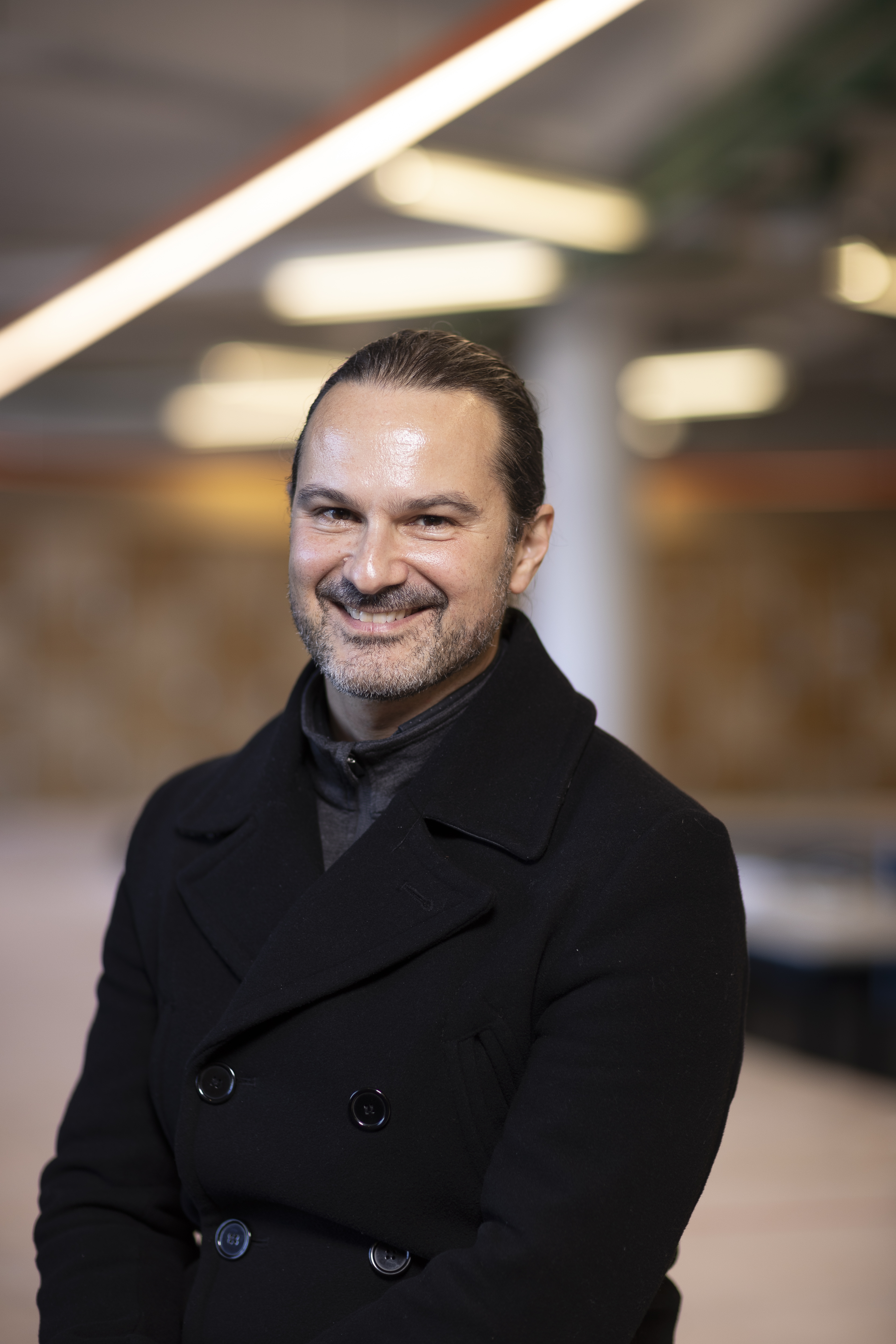
Manual Name : Dr Luke Hespanhol
Manual Description : Project lead
Manual Address :
Manual Addition Info Title :
Manual Addition Info Content :
Profile image : /content/dam/corporate/images/architecture/staff-images/luke-hespanhol.jpg
Manual Type : profile
_self
Auto Type : contact
Auto Addition Title :
Auto Addition Content :
Auto Name : true
Auto Position : true
Auto Profile image :
Auto Phone Number : false
Auto Mobile Number : true
Auto Email Address : true
Auto Address : false
UUID :
Manual Name : Sally Quinn
Manual Description : Media Adviser (School of Architecture, Design and Planning)
Manual Address :
Manual Addition Info Title :
Manual Addition Info Content :
Profile image :
Manual Type : contact
_self
Auto Type : contact
Auto Addition Title : Media and PR Adviser
Auto Addition Content :
Auto Name : true
Auto Position : true
Auto Profile image :
Auto Phone Number : false
Auto Mobile Number : true
Auto Email Address : true
Auto Address : false
UUID : S-QUINN