
When the human body overheats, the consequences can be deadly. Heat stroke, heart attacks, kidney failure, and worsening of existing conditions like cardiovascular and respiratory diseases are just some of the ways extreme heat can push the body past its limits.
Now, leading experts from the University of Sydney are calling for a radical rethink in how governments and policymakers tackle the effects of heatwaves, focusing on cooling people, not just lowering the air temperature.
It's been estimated that during the European summers of 2022 and 2023, more than 100,000 people died as a consequence of heatwaves.
This is only expected to get worse, with heat-related deaths projected to rise by almost four-fold by 2050 if global temperatures reach 2 degrees Celsius above pre-industrial levels.
In a commissioned commentary article in the prestigious journal Nature, Professor Ollie Jay and Dr Federico Tartarini from the Heat and Health Research Centre argue that heat adaptation could be vastly enhanced by taking a physiology-based approach that focuses on hot people rather than hot weather.
Professor Ollie Jay said: “Heat can kill. A person is ultimately harmed by hot weather because their body either overheats, or their body cannot cope with the heat strain. How hot a person becomes is not just determined by temperature; it also depends on three other key environmental factors: radiation, humidity and wind speed.
"People’s physiology also plays a key part, with those affected by heart or kidney diseases more at risk to different types of extreme heat. Physiological models already exist that allow us to predict how hot different types of people become when exposed to extreme heat. We are therefore calling for a physiology-first approach to predicting when and how to act to protect people from extreme heat.”
To help people understand their individual risk, Professor Jay and Dr Tartarini are piloting HeatWatch, a tool which allows users to create personal profiles by submitting their age, related health conditions, medications, access to air conditioning and other factors which may impact their susceptibility to prolonged and extreme heat. It then provides a seven-day forecast of heat-health risk and gives evidence-based cooling advice tailored to each profile.
HeatWatch has been developed with a number of organisations and communities in Sydney, with plans now to work with culturally and linguistically diverse communities, including Indigenous communities, across Australia.
But Professor Jay and Dr Tartarini do not want to stop with Australia: they aim to roll out a global approach to managing heat stress.
Dr Tartarini said: “The impacts of climate change are global. We want to develop a tool that could be used by public health organisations, governments, and policymakers around the world to better anticipate where and when certain groups will face an elevated risk of health stress.
“Our approach could be deployed worldwide. We are already in discussions about conducting pilot studies in Delhi, India – an area where heat stress risk is rapidly increasing. Professor Jay and Dr Tartarini also say that taking a physiology-first approach will open more sustainable ways of adapting to the heat.
Professor Jay said: “Because most people think that to cool a person you must cool the air, many efforts to increase heat resilience have so far either been very carbon intensive, like air conditioning – which isn’t available or affordable to many parts of society – or have focussed on the wrong opportunities, such as shading the ground from direct sunlight in an attempt to lower air temperature.
“Unless a person is lying on the ground, that doesn’t necessarily capture how ground shade affects people.”
“But strategies that modify other features of the environment can still be effective and far less carbon intensive. Our research is showing great results for cooling the body by moving the air with fans, placing water on the skin, or by directly shading people from the sun.
“We can also minimise the heat our bodies produce by making physical work more efficient, and by altering our activity patterns to avoid the heat of the day.”
Declaration: The authors declare no conflicts of interest.
Lead image: Licensed from Adobe Stock.
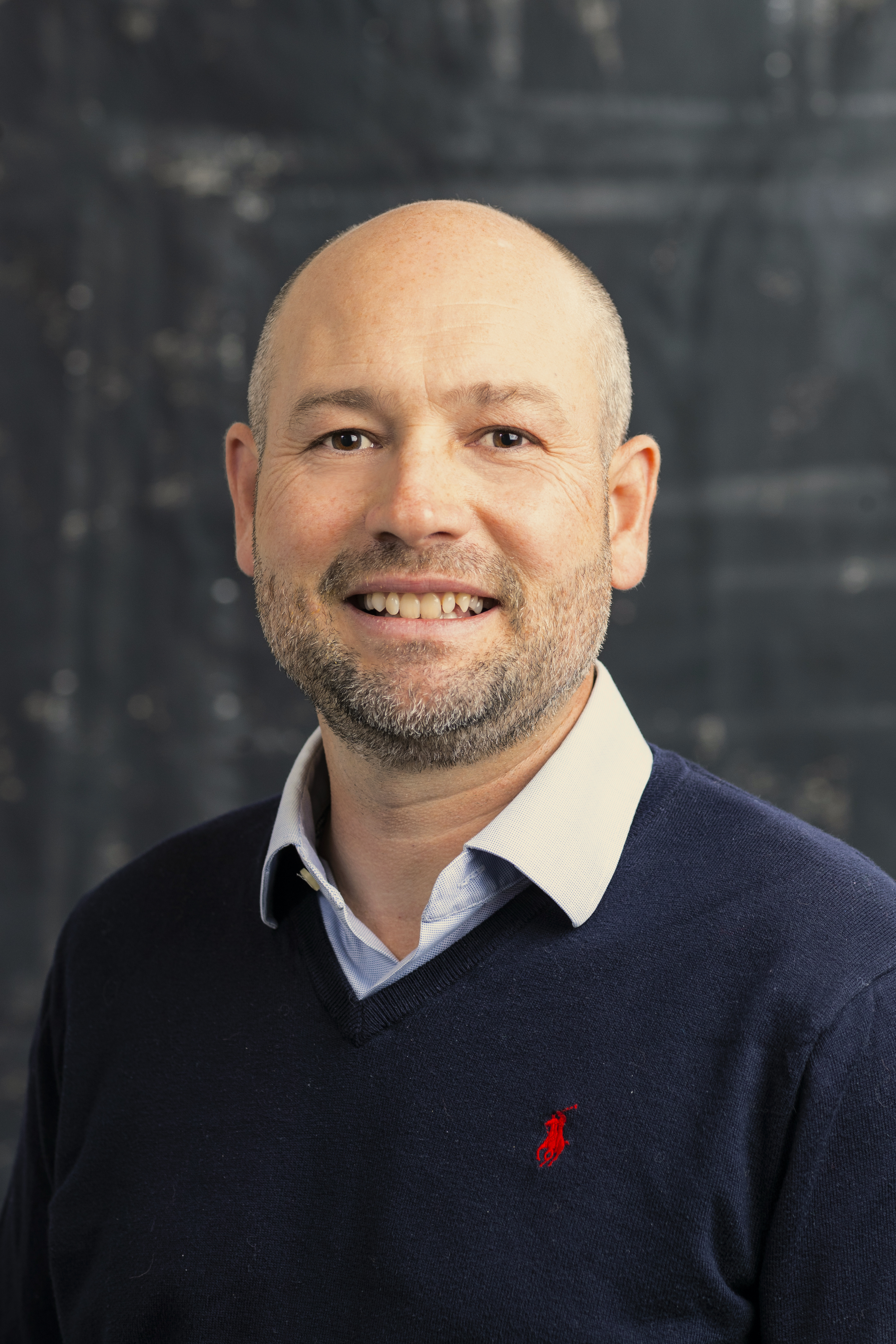
Manual Name : Professor Ollie Jay
Manual Description : Academic Director: Heat and Health Research Centre
Manual Address :
Manual Addition Info Title :
Manual Addition Info Content :
Profile image : /content/dam/intranet/images/ollie-jay-headshot-2021.jpg
Manual Type : profile
_self
Auto Type : contact
Auto Addition Title :
Auto Addition Content :
Auto Name : true
Auto Position : true
Auto Profile image :
Auto Phone Number : false
Auto Mobile Number : true
Auto Email Address : true
Auto Address : false
UUID :
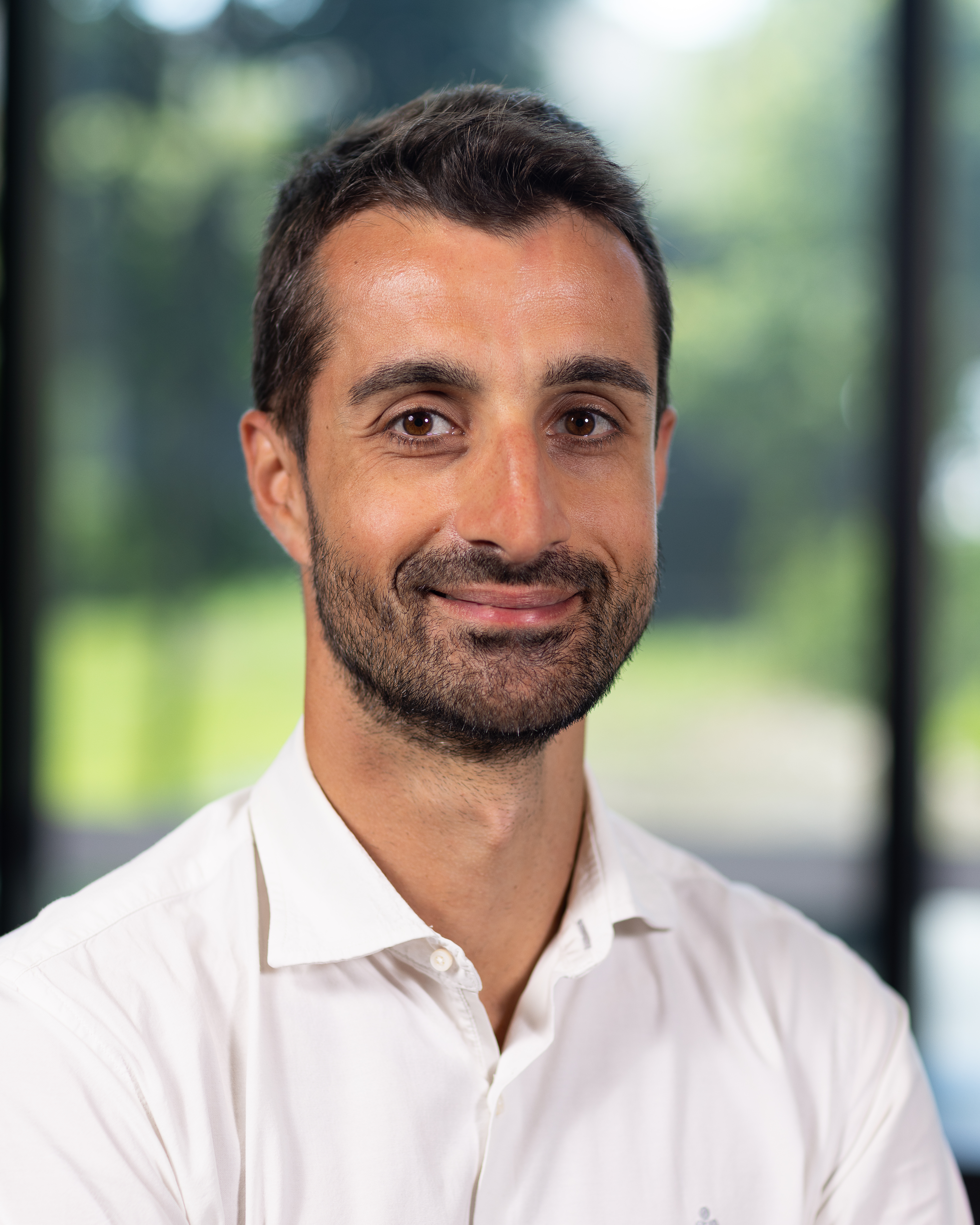
Manual Name : Dr Federico Tartarini
Manual Description : Heat and Health Research Centre
Manual Address :
Manual Addition Info Title :
Manual Addition Info Content :
Profile image : /content/dam/people/horizonsfellowship_2024_dr-federico-tartarini.jpg
Manual Type : profile
_self
Auto Type : contact
Auto Addition Title :
Auto Addition Content :
Auto Name : true
Auto Position : true
Auto Profile image :
Auto Phone Number : false
Auto Mobile Number : true
Auto Email Address : true
Auto Address : false
UUID :
Media contact
Manual Name : Matt Johnston
Manual Description : Media and PR Adviser
Manual Address :
Manual Addition Info Title :
Manual Addition Info Content :
Profile image :
Manual Type : contact
_self
Auto Type : contact
Auto Addition Title :
Auto Addition Content :
Auto Name : true
Auto Position : true
Auto Profile image :
Auto Phone Number : false
Auto Mobile Number : true
Auto Email Address : true
Auto Address : false
UUID :