
A new 18-month public health campaign is launching in South Western Sydney to help Arabic, Chinese and Vietnamese communities recognise the early signs of dementia and feel confident seeking help from their local doctor.
The University of Sydney is leading the Facing Dementia Together campaign in partnership with trusted local multicultural organisations. The new campaign includes free in-language community information sessions, practical resources such as a symptom checklist, and culturally tailored messaging to reduce fear, stigma and delays in diagnosis.
What is dementia stigma?
“Our research shows that many people don’t recognise dementia as a medical condition – they see memory loss or confusion as part of normal ageing or even mental illness,” said Professor Lee-Fay Low, a dementia expert and Professor in Ageing and Health at the University of Sydney’s Brain and Mind Centre and Charles Perkins Centre.
“Many people feel that there’s nothing a doctor can do – or are ashamed to raise the issue. But a diagnosis is the gateway to support, planning and continuing to live well. It’s a vital step.”
The campaign draws on community-based research involving over 500 people from the Arabic, Chinese and Vietnamese communities in southwestern Sydney.
Research on dementia in multicultural communities found:
- Stigma, especially in the Arabic community, can prevent families from talking openly or seeking medical help;
- Vietnamese participants often believed that a well-loved older person wouldn’t develop dementia, leading to denial or self-blame;
- Chinese community members were more open to formal support but still delayed;
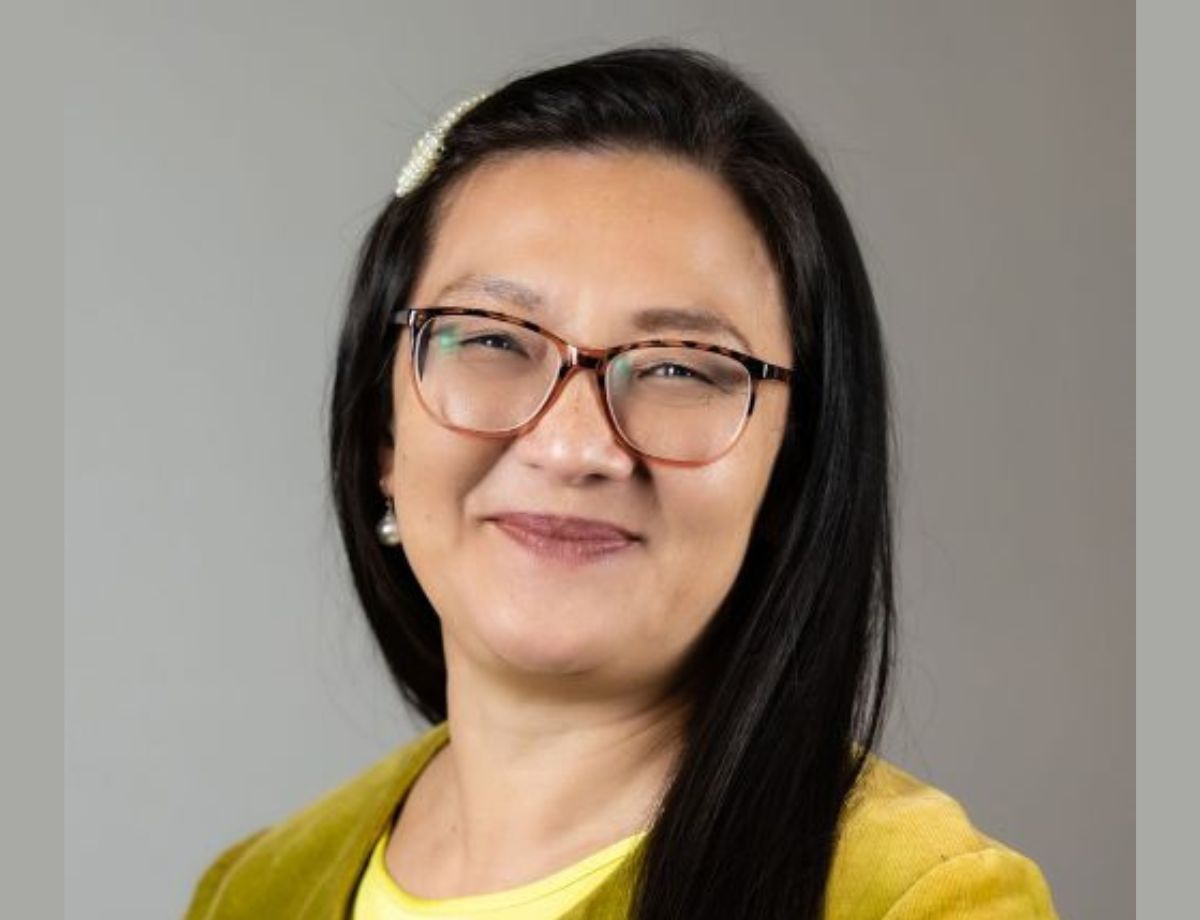
- Language plays an important role in breaking down stigma and accessing care services. University of Sydney PhD student Zihan He, 28, has created new, evidence-based translations to positively reframe the condition in order to reduce stigma and shame.
PhD student Zihan He presenting a Facing Dementia Together workshop. Image: Facing Dementia Together.
50
automatic
LinkDementia: Language and cultural barriers
“We are working closely with multicultural organisations to build trust with Arab, Chinese and Vietnamese communities and to ensure the campaign is grounded in cultural understanding and language,” says Facing Dementia Together researcher and Arabic-speaking Bilingual Campaign Officer Aisha Kenaway.
“We want to empower people and their families to take the first step. Our symptom checklist helps people recognise early changes and raise clear, practical concerns with their GP.”
The Chinese Australian Services Society (CASS), one of the largest Chinese service providers in Sydney, is a key partner in the campaign.
“At CASS, we see first-hand how language and cultural barriers can prevent older people from getting the dementia support they need,” says Professor Stephen Li, Chairperson of CASS.
“We’re proud to be partnering on the Facing Dementia Together campaign to deliver community talks, promote the knowledge of brain health, and connect families to the right services. We should face dementia together.”
Raising dementia awareness
The campaign also features personal stories, including that of Mabel, a Chinese Australian woman whose parents both lived with dementia.
“My dad had vascular dementia and my mum had Alzheimer’s disease. Both had multiple hospital admissions and language barriers,” Mabel recalls. “I was the only one available to care for them and didn’t know where to turn.”
“It was hard to find translated information or help from my GP. There needs to be more awareness of dementia and resources tailored for migrant families. I want others in our community to know – don’t wait for a crisis. Talk to your doctor early.”
Facing Dementia Together
The Facing Dementia Together campaign will run across South Western Sydney over the next 18 months, with community talks, events, printed resources and social media delivered in Arabic, Chinese, Vietnamese and English languages.
“We want every person in our communities to know that dementia is not your fault, it’s not shameful – and help is available,” says Professor Low.
- Arabic: https://facingdementiatogether.au/ar/
- Chinese: https://facingdementiatogether.au/zh/
- Vietnamese: https://facingdementiatogether.au/vi/
Declaration
Facing Dementia Together is funded by the NHMRC. The campaign is delivered by the University of Sydney and University of Wollongong in partnership with local multicultural organisations.
Lead image: Licensed by Adobe Stock
Manual Name : Professor Lee-Fay Low
Manual Description : Professor in Ageing and Health, Brain and Mind Centre, Charles Perkins Centre
Manual Address :
Manual Addition Info Title :
Manual Addition Info Content :
Profile image : /content/dam/intranet/images/medicine-and-health/news-and-events/2024/04/professor-lee-fay-low.jpg
Manual Type : profile
_self
Auto Type : contact
Auto Addition Title :
Auto Addition Content :
Auto Name : true
Auto Position : true
Auto Profile image :
Auto Phone Number : false
Auto Mobile Number : true
Auto Email Address : true
Auto Address : false
UUID : S-MESTROM
Media contact
Manual Name : Matt Johnston
Manual Description : Media and PR Adviser
Manual Address :
Manual Addition Info Title :
Manual Addition Info Content :
Profile image :
Manual Type : contact
_self
Auto Type : contact
Auto Addition Title :
Auto Addition Content :
Auto Name : true
Auto Position : true
Auto Profile image :
Auto Phone Number : false
Auto Mobile Number : true
Auto Email Address : true
Auto Address : false
UUID : 7bf007d0-8271-4e85-8b72-fe53257ae201