
One of the joys of teaching for Associate Professor Kat Sanders is "the lightbulb moment".
"It’s when you see a student get it, especially if they’ve been struggling," they said.
Associate Professor Sanders, an education-focused academic in anatomy, has loved teaching since they began tutoring while completing their PhD at Bond University in Queensland.
At the time, there were few opportunities in Australia for academics focused on education, rather than research. To pursue their passion for teaching, Associate Professor Sanders moved to the UK, becoming a senior lecturer in clinical anatomy at Hull York Medical School.
Last year, they saw the University of Sydney was recruiting hundreds of teaching specialists under the Sydney Horizon Educators scheme. The program, which seeks to improve the student experience and advance teaching practice, is an unprecedented investment in education-focused roles at the University.
"I thought, 'That’s got my name on it'," Associate Professor Sanders said. “Being part of a culture shift, developing a parity of esteem between education and research, it felt like something I had the skills and experience to really contribute to."
Applications for the program’s final recruitment round are now open, with more than 30 roles available across several disciplines.
In the course of their learning, anatomy students come to terms with death and dying. They'll have thoughts about what it is to be human.
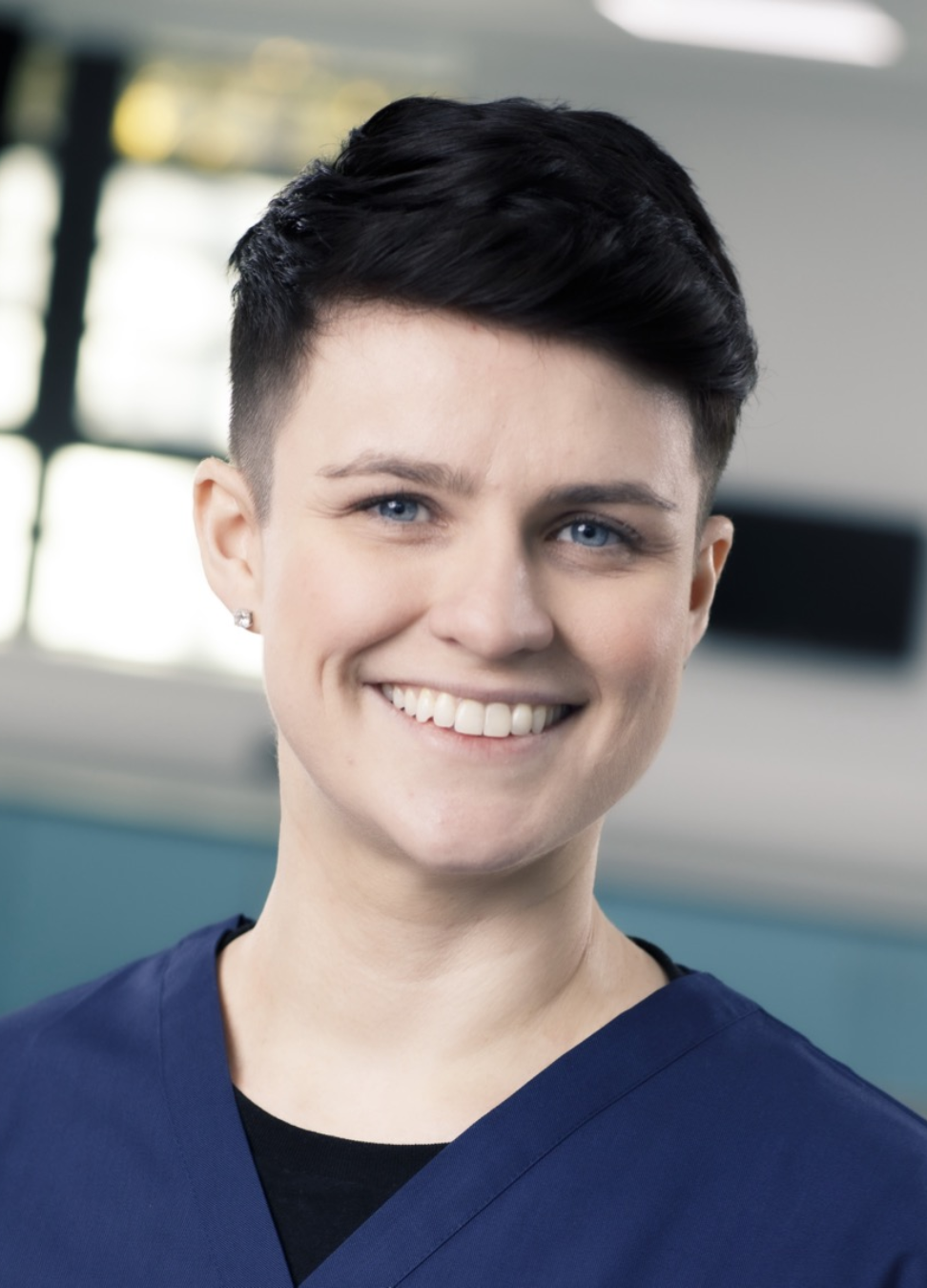
Associate Professor Kat Sanders
Faculty of Medicine and Health
Associate Professor Sanders’ role combines teaching with a redesign of the Anatomy and Histology major in the Faculty of Medicine and Health. They are also working on the University’s body donation program, focusing on further nurturing respect for body donors and support for students who may encounter death for the first time in an anatomy lab.
"Many of our students are undergraduates and there’s a good chance they have never seen someone who has died before," Associate Professor Sanders said. "In anatomy, one element of the hidden curriculum is that, in the course of their learning, students come to terms with death and dying. They'll have thoughts about mortality, what it is to be human."
Associate Professor Sanders’ aim is to make these aspects of the curriculum more explicit, giving students the opportunity to discuss their feelings about early encounters with body donors and how this links with their professional development.
"These conversations could help them feel more comfortable in the classroom. What’s more, such opportunities could provide students with tools that might improve their wellbeing as health professionals, who of course experience death in all sorts of ways," they said.
Associate Professor Sanders said their approach to anatomy teaching reflected a broader cultural shift in the health sector.
"Historically, in medical professions especially, I think there has been this idea that vulnerability is weakness. But that’s changing. We want our future health professionals to be able to look after themselves while managing challenging situations – and we want to start teaching them how to do that while they’re still in the classroom. To look after a patient, you must be able to look after yourself."
Hero image credit: Stefanie Zingsheim/The University of Sydney
Manual Name : Associate Professor Kat Sanders
Manual Description : School of Medical Sciences
Manual Address :
Manual Addition Info Title :
Manual Addition Info Content :
Profile image : /content/dam/intranet/images/medicine-and-health/news-and-events/2025/march/kat-sanders.png
Manual Type : profile
_self
Auto Type : contact
Auto Addition Title :
Auto Addition Content :
Auto Name : true
Auto Position : true
Auto Profile image :
Auto Phone Number : false
Auto Mobile Number : true
Auto Email Address : true
Auto Address : false
UUID :
Media contact
Manual Name : Louise Schwartzkoff
Manual Description : Media Adviser (Central)
Manual Address :
Manual Addition Info Title :
Manual Addition Info Content :
Profile image :
Manual Type : contact
_self
Auto Type : contact
Auto Addition Title :
Auto Addition Content :
Auto Name : true
Auto Position : true
Auto Profile image :
Auto Phone Number : false
Auto Mobile Number : true
Auto Email Address : true
Auto Address : false
UUID : 7bf007d0-8271-4e85-8b72-fe53257ae201