
Digital mental health services and tools could help close the care gap for young people in Western Sydney, according to new research from the University of Sydney’s Brain and Mind Centre.
Led by Dr Hossein Hosseini and published in the Journal of Medical Internet Research, the study found that digital services – including online therapy, assessments, evidence-based resources, and care coordination – could match the impact of doubling the growth rate of traditional specialised mental health services such as face-to-face psychology and psychiatry, offering a scalable solution while the system catches up to demand.
Mental health in Western Sydney
Western Sydney is one of Australia’s fastest-growing regions, home to more than one million people from diverse cultural backgrounds. It also has some of the highest rates of psychological distress among young people, along with frequent emergency department visits and hospitalisations due to self-harm.
Dr Hosseini, research fellow at the Brain and Mind Centre, said the region was studied because it reflects the broader challenges facing youth mental health across the country.
“Western Sydney is a hotspot for youth mental health issues, and it’s clear the current system isn’t keeping up,” said Dr Hosseini.
“Digital tools give us a way to reach more young people faster, especially those who might not otherwise get help.”
The study used system dynamics modelling to simulate how digital and traditional services could work together to improve outcomes for young people aged 15-24 in Western Sydney over the next decade.
Key findings:
- a 14 percent reduction in the number of years this demographic lives with mental health disorders
- a 6.4 percent drop in mental health-related emergency department visits
- a 4.1 percent reduction in hospitalisations from self-harm.
What are digital mental health tools?
Platforms like MindSpot, This Way Up, ReachOut and Innowell offer online therapy, early assessments and cognitive behavioural therapy, all backed by clinical evidence.
“These tools aren’t just apps,” said Dr Hosseini. “They’re designed to help young people understand what they’re going through, get support early and track their progress over time.”
Digital tools give us a way to reach more young people faster, especially those who might not otherwise get help.
Dr Hossein Hosseini
A smarter, more sustainable system
Associate Professor Jo-An Occhipinti, senior author and Right Care, First Time, Where You Live Program lead at the Brain and Mind Centre, said: “This research highlights the importance of looking at the whole system, not just a single solution.
“By testing different scenarios through modelling, we can see how innovations like digital supports fit alongside traditional care and where they can have the greatest impact.
“It’s about giving policymakers the clarity to make choices today that will shape a stronger, more sustainable system for the future.”
Professor Ian Hickie, Co-Director of Health and Policy at the Brain and Mind Centre, added: “We now have the opportunity to rapidly advance the delivery of high-quality, personalised and effective mental health services to many more young people.
“The combination of new digital technologies and more specialised face-to-face services, working complementary to one another, is now best practice in youth mental health.
“It’s important to say this is not about increasing access to simple apps or unsupervised self-care, but about making sure that those in the greatest need can quickly access sophisticated care that makes a real difference.”
Youth mental health issues on the rise
Youth mental health issues are rising across Australia. Between 2020 and 2022, nearly 39 percent of young Australians aged 16-24 had experienced a mental health disorder that lasted at least 12 months, up from 26 percent in 2007.
Last year, the World Health Organisation reported suicide as the third leading cause of death among people aged 15-29, underscoring the urgency of scalable and accessible solutions.
“We can’t wait for the system to catch up,” said Dr Hosseini. “Digital tools give us a way to support young people now, while we continue to build the workforce and infrastructure needed for long-term change.”
If you or anyone you know needs support, please contact Lifeline on 13 11 14, Beyond Blue on 1300 22 46 36 or headspace on 1800 650 890.
Research
Hosseini, Seyed Hossein, Occhipinti, Jo-An, et al., ‘Examining the impact of youth mental health services capacity growth trajectories and digital interventions on youth mental health outcomes: system dynamics modelling analysis’ (Journal of Medical Internet Research, 2025)
DOI: 10.2196/71256
Declaration
This study was conducted under the Right care, first time, where you live program, led by the Brain and Mind Centre at the University of Sydney, funded by a $12.8 million partnership with the BHP Foundation. The program aims to develop a strategic tool for decision support relating to advanced youth mental health, and guide investments and actions to foster the mental health and wellbeing of young people in their communities.
More information: https://www.rightcarefirsttimewhereyoulive.com.au
The Innowell platform was developed in collaboration with the Brain & Mind Centre at the University of Sydney, and the Centre continues to be a research partner of Innowell. Professor Ian Hickie, the Centre’s co-director, is the chief scientific advisor to, and a 3.2 percent equity shareholder in, Innowell.
The other authors have no declarations, and have no interests in Innowell and were not involved in the development of the Innowell platform.
Hero image: Adobe Stock Photos
Manual Name : Dr Hossein Hosseini
Manual Description : Brain and Mind Centre
Manual Address :
Manual Addition Info Title :
Manual Addition Info Content :
Profile image : /content/dam/corporate/images/news-and-opinion/news/2025/september/hossein-hosseini-brain-and-mind-centre.jpeg
Manual Type : profile

_self
Auto Type : contact
Auto Addition Title :
Auto Addition Content :
Auto Name : true
Auto Position : true
Auto Profile image :
Auto Phone Number : false
Auto Mobile Number : true
Auto Email Address : true
Auto Address : false
UUID :
Manual Name : Associate Professor Jo-An Occhipinti
Manual Description : Brain and Mind Centre
Manual Address :
Manual Addition Info Title :
Manual Addition Info Content :
Profile image : /content/dam/corporate/images/engage/events-sponsorships/sydney-ideas/2024/jo-an-occhipinti-2024-update.jpg
Manual Type : profile

_self
Auto Type : contact
Auto Addition Title :
Auto Addition Content :
Auto Name : true
Auto Position : true
Auto Profile image :
Auto Phone Number : false
Auto Mobile Number : true
Auto Email Address : true
Auto Address : false
UUID :
Manual Name : Professor Ian Hickie
Manual Description : Brain and Mind Centre
Manual Address :
Manual Addition Info Title :
Manual Addition Info Content :
Profile image : /content/dam/people/2021/ian_hickie.jpg
Manual Type : profile
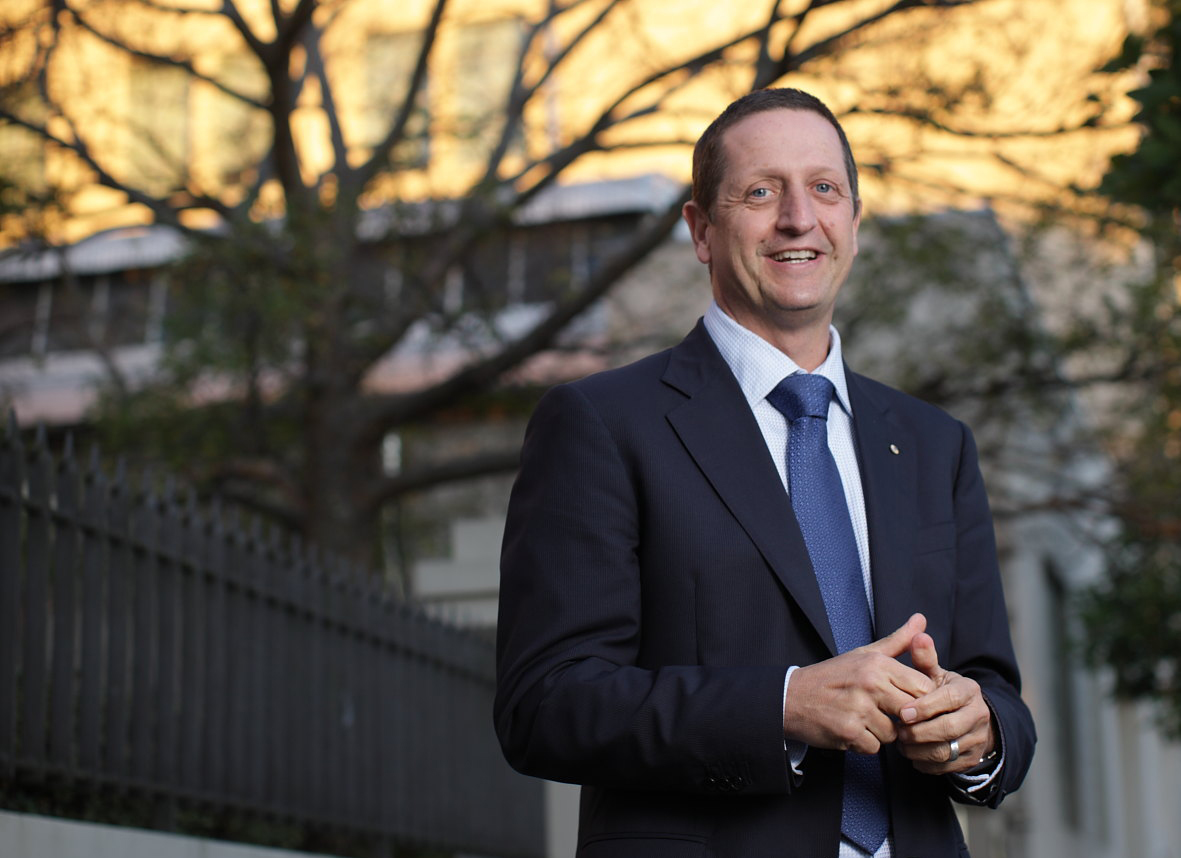
_self
Auto Type : contact
Auto Addition Title :
Auto Addition Content :
Auto Name : true
Auto Position : true
Auto Profile image :
Auto Phone Number : false
Auto Mobile Number : true
Auto Email Address : true
Auto Address : false
UUID :
Media contact
Manual Name : Emily Fraser
Manual Description : Assistant Media and PR Adviser (Medicine and Health)
Manual Address :
Manual Addition Info Title :
Manual Addition Info Content :
Profile image :
Manual Type : contact
_self
Auto Type : contact
Auto Addition Title :
Auto Addition Content :
Auto Name : true
Auto Position : true
Auto Profile image :
Auto Phone Number : false
Auto Mobile Number : true
Auto Email Address : true
Auto Address : false
UUID : I-SHIH1