
Forget sea changers and downsizers – new research from the University of Sydney Business School has revealed four types of retirees: stayers, leavers, blenders, and the disengaged.
These categories relate to how highly engaged ‘Baby Boomer’ retirees remained with their previous occupation compared with new or other interests, as revealed in the book Retiring in a New Age: Life after Paid Work by Professor Emeritus Russell Lansbury and Professor Marian Baird.
For example, Carol, a former radiologist and ‘leaver’ stated: “Retirement was a kind of relief. I now had the freedom to do whatever I wanted and to take up new interests.”
This contrasts to retired surveyor and ‘stayer’ Dan, who continued working primarily for the social connection, and former draughtsman and ‘blender’ Rob, who at age 50 decided to “wind down” towards retirement by studying a master's degree in history while continuing to renovate houses.
They are among the Australian retirees who were interviewed for the book, which also uses ABS retirement data and major surveys from Australia and Sweden to investigate the changing concept of retiring, how people are faring in retirement, and what future generations – Gen X, Millennials and Gen Z – retirees might face.
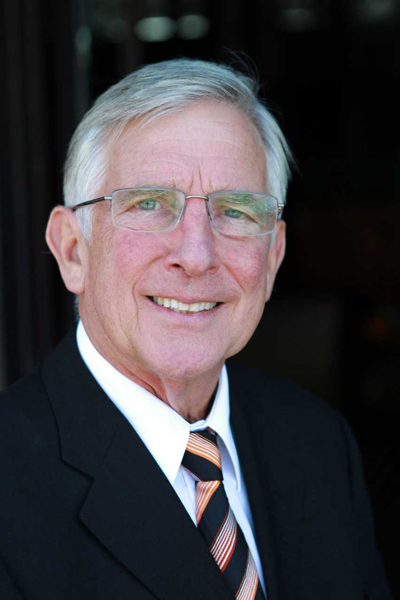
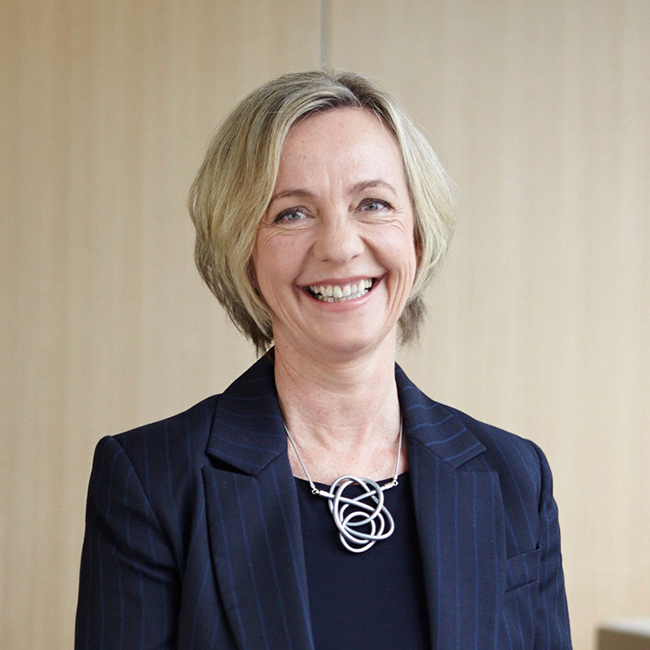
Professor Emeritus Russell Lansbury and Professor Marian Baird co-authored the research publication.
50
automatic
LinkIn recent decades, Australia has been transformed from a culture of early to later retirement in comparison with other OECD countries. The average age of Australians at retirement was 64 in 2023 compared with 59 in 2003, and about a quarter of retirees returned to work as part-timers or casuals in 2023.
“There are many reasons for this trend, including raising the age of pension access to 67, increased cost of living, and greater longevity and better health among retirees,” said Professor Lansbury.
“But the increase in average retirement age obscures the fact that managers and professionals retire later than blue collar workers, and that women retire earlier than men.
“The increasing diversity of careers, changing attachment to work, and a wider range of interests outside of work among younger Australians will challenge employers and governments to continuously adapt and redesign retirement systems to meet the changing needs of future generations of retirees.”
The book reveals how Sweden has adopted a more proactive policy than Australia to allow workers better access to the age pension from 63, as well as the right to continue working to 69.
They can also reduce their working hours and change to less demanding jobs as they transition to retirement – the outcome being that Swedes retire at a later age than most other comparable countries.
Professor Lansbury said Australia could learn from the Swedish Commission for the Senior Workforce, which was established by the Swedish government in 2018 to promote the welfare of older workers, identify opportunities to make better use of older workers’ experience, skills and competencies, counteract age discrimination, and promote a more inclusive and age-neutral working life.
The authors conclude the book by proposing a new social contract for retirees comprised of three pillars:
- Economic security: ensuring that people have sufficient economic resources to meet their needs for a decent life in retirement.
- Physical and mental health: addressing the needs of retirees with poor health and/or care responsibilities.
- Social engagement and participation: ensuring that retirees are engaged with others in the community who can provide support and assistance as they age.
They call upon government, employers and unions to support these pillars through initiatives such as addressing flaws in the age pension and superannuation systems, particularly for those who face economic, health and social challenges in retirement.
Retiring in a New Age: Life after Paid Work will be formally launched at the University of Sydney Business School this Friday 7 November.
Manual Name : Russell Lansbury
Manual Description : Professor Emeritus of Work and Organisational Studies
Manual Address :
Manual Addition Info Title :
Manual Addition Info Content :
Profile image : /content/dam/corporate/images/business-school/research/work-and-organisational-studies/russell-lansbury.jpg
Manual Type : profile
_self
Auto Type : contact
Auto Addition Title :
Auto Addition Content :
Auto Name : true
Auto Position : true
Auto Profile image :
Auto Phone Number : false
Auto Mobile Number : true
Auto Email Address : true
Auto Address : false
UUID :
Manual Name : Marian Baird
Manual Description : Professor of Gender and Employment Relations
Manual Address :
Manual Addition Info Title :
Manual Addition Info Content :
Profile image : /content/dam/intranet/images/news-initiatives/news/2017/october/Marian Baird.jpg
Manual Type : profile
_self
Auto Type : contact
Auto Addition Title :
Auto Addition Content :
Auto Name : true
Auto Position : true
Auto Profile image :
Auto Phone Number : false
Auto Mobile Number : true
Auto Email Address : true
Auto Address : false
UUID :
Media contact
Manual Name :
Manual Description :
Manual Address :
Manual Addition Info Title :
Manual Addition Info Content :
Profile image :
Manual Type : contact
_self
Auto Type : contact
Auto Addition Title :
Auto Addition Content :
Auto Name : true
Auto Position : true
Auto Profile image :
Auto Phone Number : false
Auto Mobile Number : true
Auto Email Address : true
Auto Address : false
UUID : 5809c882-aa0f-4ed5-98e2-44232fb05659