
Two University of Sydney-led projects have been awarded $35 million each in the Australian Research Council (ARC) Centres of Excellence program to bring together Australia’s academic, industry and government ecosystems for innovative research and the benefit of the wider community.
Eight projects around Australia received a total of $279 million in funding from the ARC in the latest round. The University of Sydney leads on the equal-highest number of projects. They are:
- The ARC Centre of Excellence for Advanced Peptide and Protein Engineering (CAPE)
- The ARC Centre of Excellence in Mathematics for Quantum Era Security and Trust (MathQuEST)
The two Sydney-led Centres of Excellence present unique opportunities for industry collaboration and further cements the University as a global leader in research that generates important knowledge, skills, and products that will improve the lives of Australians and people around the world, said Vice-Chancellor and President Professor Mark Scott AO.
“The Centres of Excellence are about combining diverse expertise and perspectives to address the complex issues for the benefit of all, something deeply ingrained in our values as a university and in our Sydney in 2032 strategy,” Professor Scott said.
From quantum cybersecurity to the design and manufacture of proteins and peptides that could revolutionise human health and environmental protections, the Sydney-led Centres of Excellence take advantage of the University’s multidisciplinary research strengths, training capabilities, and deep connections with industry and government, interim Deputy Vice-Chancellor (Research) Professor Julie Cairney added.
“We are well-placed to lead these Centres of Excellence, thanks to our world-leading research infrastructure, our long history of successful research translation, and our deep commitment to collaboration,” said Professor Cairney.
“This landmark investment from the ARC recognises the impressive leadership and deep expertise of Professor Nalini Joshi and Professor Richard Payne, their teams, and the long list of collaborators across the country who are contributing to these transformational initiatives.”
ARC Centre of Excellence in Mathematics for Quantum Era Security and Trust (MathQuEST)
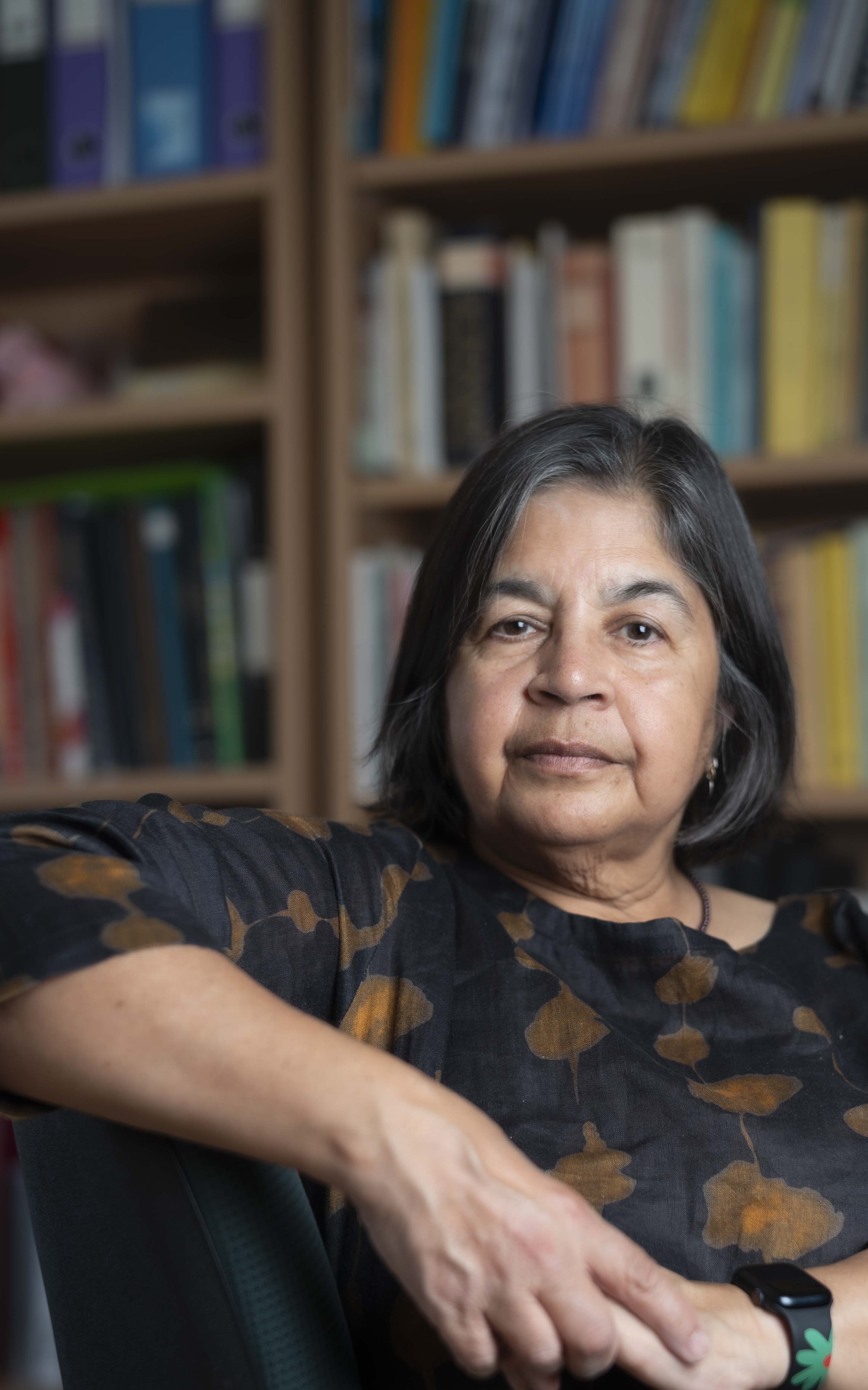
Director: Professor Nalini Joshi, School of Mathematics and Statistics, Faculty of Science
The ARC Centre of Excellence in Mathematics for Quantum Era Security and Trust (MathQuEST) strives to build critical expertise to protect against the expected breakdown of cybersecurity protocols on quantum computers and build trust in artificial intelligence. Deep, untapped reservoirs of mathematical problems and structures will be mined to establish complexity foundations for security and create accelerated methods for AI. MathQuEST will assemble leading researchers from diverse disciplines to deliver a mathematically trained, technologically agile workforce, ensuring Australia’s preparedness for grand challenges arising from future quantum computers with dual-use impact across agriculture, defence, health and industry.
Office Of National Intelligence; Defence Science and Technology Group; Quintessencelabs Pty Ltd; University of Montreal - Ivado; Australian Mathematical Sciences Institute; The Australian Association of Mathematics Teachers Inc; Kyushu University; Technical University of Berlin; Department of Environment, Science and Innovation
ARC Centre of Excellence for Advanced Peptide and Protein Engineering (CAPE)
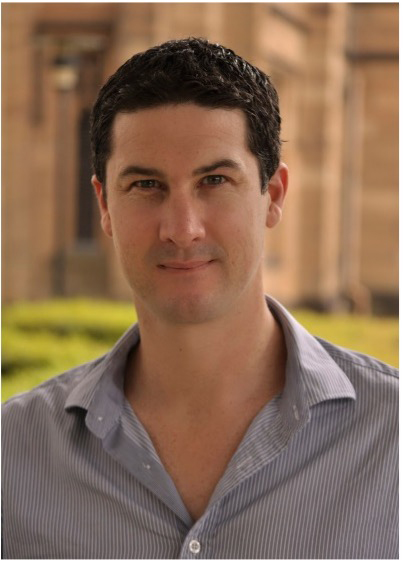
Director: Professor Richard Payne, School of Chemistry, Faculty of Science; Sydney Nano Institute; Charles Perkins Centre
Leveraging emerging technologies and a global competitive advantage, this ARC Centre of Excellence aims to transform the engineering and translation of peptides and proteins – molecules essential for all life on Earth – for human and planetary benefit. CAPE will uncover unique molecules, including from Australia’s flora and fauna, using advanced computational methods; design ‘new-to-nature’ structures with unprecedented applications; and step-change production technologies to an automated and eco-friendly new paradigm. CAPE will unite diverse research leaders for a legacy of impactful translation in agriculture, conservation and biotech, while engaging the Australian public in the peptide and protein revolution via extensive outreach and creative pedagogy.
Stanford University; Yale University; University of Illinois At Urbana-Champaign; University of California, Davis; Massachusetts Institute of Technology; University of Pennsylvania; The Rockefeller University; University of Tokyo; University of Cambridge; Imperial College London; The Rosalind Franklin Institute; University of Zurich; Indian Institute of Technology, Kanpur; The Walter and Eliza Hall Institute Of Medical Research; Novo Nordisk A/S; AstraZeneca, Sweden; Genentech Inc; Merck Sharp and Dohme UK Limited; Novartis Pharmaceuticals Australia Pty Limited; Syngenta Crop Protection; Commonwealth Scientific And Industrial Research Organisation; Insamo South Pty Ltd; Unnatural Products; Neoculi Pty Ltd; Microbial Screening Technologies Pty. Ltd.; Aralez Bio; Innovate Ag Pty Limited; Phyllome Pty Ltd; Flow-Ai Pty Ltd; Shimadzu Medical Systems (Oceania) Pty Limited; Tecan Australia Pty Ltd; Vapourtec Ltd; Opentrons Labworks Inc.; Biotage Sweden Ab; Amide Technologies; Cytiva; Bioplatforms Australia Ltd; Deadlyscience Ltd; Taronga Conservation Society Australia
Manual Name : Professor Nalini Joshi
Manual Description : Payne-Scott Professor, Chair of Applied Mathematics
Manual Address :
Manual Addition Info Title :
Manual Addition Info Content :
Profile image : /content/dam/corporate/images/news-and-opinion/news/2025/november/professor-nalini-joshi-ao.-nsw-scientist-of-the-year-2025.jpg
Manual Type : profile
_self
Auto Type : contact
Auto Addition Title :
Auto Addition Content :
Auto Name : true
Auto Position : true
Auto Profile image :
Auto Phone Number : false
Auto Mobile Number : true
Auto Email Address : true
Auto Address : false
UUID :
Manual Name : Professor Richard Payne
Manual Description : Professor of Organic Chemistry and Chemical Biology NHMRC Investigator Leadership Fellow
Manual Address :
Manual Addition Info Title :
Manual Addition Info Content :
Profile image : /content/dam/corporate/images/faculty-of-science/news-and-events/2022/richard-payne.jpg
Manual Type : profile
_self
Auto Type : contact
Auto Addition Title :
Auto Addition Content :
Auto Name : true
Auto Position : true
Auto Profile image :
Auto Phone Number : false
Auto Mobile Number : true
Auto Email Address : true
Auto Address : false
UUID :