
As heatwaves become more frequent and intense, understanding how heat affects the body, and knowing when and how to act, can be lifesaving. Researchers from the University of Sydney’s Heat and Health Research Centre explain the key health risks of extreme heat and share practical, evidence-based ways to stay safe.
What happens to the human body in extreme heat?
According to Professor Ollie Jay, Academic Director, Heat and Health Research Centre, there are three main ways heat exposure can harm the human body: heatstroke, heart attack and kidney failure.
The most immediate and dangerous risk is heatstroke. Evidence shows most people can tolerate core body temperatures up to around 38.5-39°C without harm. Above this range, the risk of heat exhaustion rises, with symptoms including dizziness, nausea, vomiting and poor coordination.
If a person’s core temperature reaches around 40°C or higher, heatstroke can develop. The condition is life threatening and can worsen rapidly without treatment.
“At these extreme temperatures, vital organs may not receive enough blood and oxygen,” Professor Jay said. “If treatment is delayed, this can trigger widespread damage, including organ failure.
“Immediate, rapid cooling of the whole body – ideally through cold water immersion – can be the difference between life and death,” he said.
Extreme heat is also associated with an increased risk of heart attacks, particularly in people with existing cardiovascular disease. Professor Jay said this is not usually because they overheat, but because heat places heavy strain on the heart as blood is redirected to the skin to help with cooling. Dehydration further reduces blood volume, increasing cardiovascular strain and the risk of collapse.
The third major risk is kidney failure. In hot conditions, blood is diverted away from the kidneys and towards the skin, reducing oxygen delivery and increasing the risk of acute kidney injury. Repeated dehydration over time can further damage the kidneys and contribute to chronic kidney disease.
URL
embed-7be59c012a
What happens to your body when it overheats?
Immediate, rapid cooling of the whole body – ideally through cold water immersion – can be the difference between life and death.
Professor Ollie Jay
Heat and Health Research Centre, Faculty of Medicine and Health
How hot is too hot?
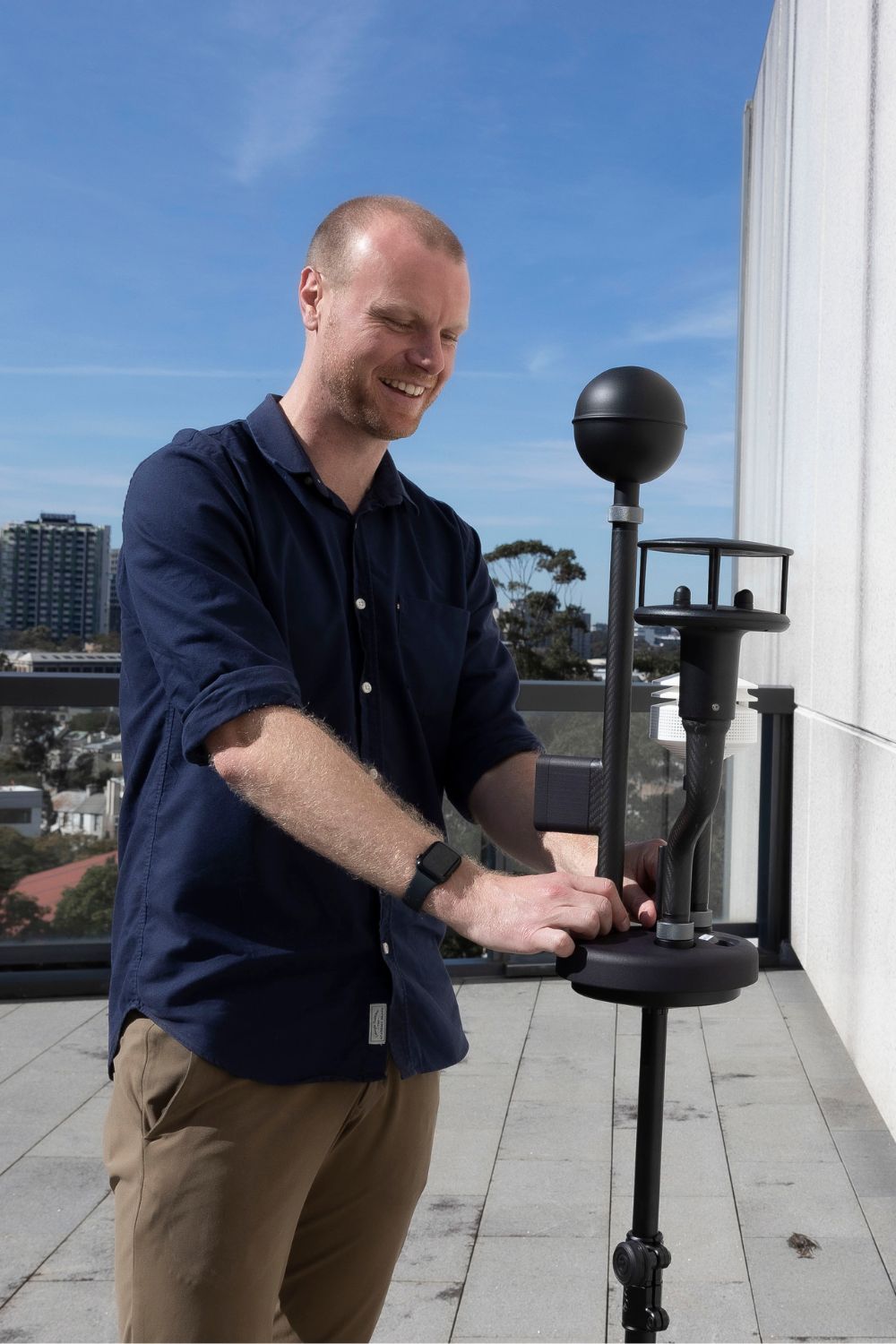
Dr Grant Lynch, who Leads the Commercialisation and Industry Partnership research theme, said determining when heat becomes unsafe is not as simple as checking the temperature.
“Air temperature alone only tells part of the story,” he said.
Research shows how hot conditions feel – and how much strain they place on the body – also depends on humidity, wind and thermal radiation, particularly from the sun. Individual factors such as activity levels, clothing, hydration and underlying health further influence heat risk.
“This is why two people in the same conditions can experience heat very differently, and why managing heat risk needs to focus on how the body responds, not just the number on the thermometer,” Dr Lynch said.
He added that official weather reports often do not reflect the conditions people experience where they are actually working, exercising or spending time. Shade, buildings, hard surfaces and population density can trap heat and create much hotter local environments.
To address this gap, emerging heat tools aim to measure conditions closer to the individual and combine environmental and personal factors when communicating heat risk. This information must be paired with clear, evidence-based actions to reduce heat stress.
The recently published Extreme Heat Risk and Response Guidelines by Sports Medicine Australia link graded heat risk levels to practical actions such as taking more frequent breaks, improving access to shade and using simple cooling strategies.
Ultimately, Dr Lynch says, “’too hot’ is not defined by a single temperature, but by the point at which the body can no longer keep itself cool without additional support.”
What can you do to reduce your risk?
Dr Timothy English, Co-lead of the Humanitarian Settings research theme, researches preventing heat-related illness in people experiencing homelessness. He said that the key to reducing heat illness risk is to act early, before you feel unwell.
“If you have air-conditioning, use it, but it does not need to be set to ‘ice cold’ to be protective,” he said.
A practical approach is fan-first cooling: use a fan early in the day and, if air-conditioning is needed, set it to a higher but comfortable temperature (around 25-27°C). Evidence shows airflow increases heat loss from the body, particularly by improving sweat evaporation, and fans use far less electricity than air-conditioning.
Importantly, fans are not just for the young and fit. Studies show that under hot and humid conditions, fan use can markedly reduce heat-related cardiovascular strain in older adults with heart disease who are not taking beta-blockers.
For people without air-conditioning, fans can still help, but there is an important safety caveat. When indoor temperatures rise above around 40-42°C, depending on humidity, a fan alone may not be sufficient and can even worsen heat stress. In these situations, prioritise access to a cooler environment such as a library, shopping centre or community facility.
Cold water cooling is another powerful, low-cost strategy. A cool shower or bath, or spraying or dousing the skin with cold water, can significantly reduce heat strain. Combining cool water with a fan can further amplify the cooling effect.
Hydration is also critical, as dehydration markedly worsens both thermal and cardiovascular strain and can negate the comfort benefits of fan use.
Finally, Dr English emphasised the importance of checking on others during extreme heat.
“Older neighbours, people living alone, and those without reliable cooling are particularly vulnerable,” he said. “People experiencing homelessness are among the most at risk. Offer water, encourage shade or access to cooler spaces, and if someone is confused, collapsed or unresponsive, call an ambulance immediately.”
Tools to help you stay safe in extreme heat
Researchers from the Heat and Health Research Centre have developed practical digital tools to help people better understand and manage heat risk in real-world conditions.
Heatwatch is a personalised heat risk tool that combines environmental conditions with individual factors to provide practical, evidence-based advice on how to stay cool and reduce heat strain during extreme heat.
The team also developed the Sports Heat Tool, endorsed by Sports Medicine Australia, a free, interactive online tool that helps users assess heat risk for specific sports and activities, and provides guidance on safe participation in hot conditions.
Manual Name : Professor Ollie Jay
Manual Description : Academic Director, Heat and Health Research Centre
Manual Address :
Manual Addition Info Title :
Manual Addition Info Content :
Profile image : /content/dam/people/academic-and-research-staff/prof-ollie-jay-2.jpg
Manual Type : profile

_self
Auto Type : contact
Auto Addition Title :
Auto Addition Content :
Auto Name : true
Auto Position : true
Auto Profile image :
Auto Phone Number : false
Auto Mobile Number : false
Auto Email Address : false
Auto Address : false
UUID : 9af0a766-7c3b-49bd-bb46-9f2b572acb4e
Manual Name : Dr Timothy English
Manual Description : Co-lead for Humanitarian Settings research theme, Heat and Health Research Centre
Manual Address :
Manual Addition Info Title :
Manual Addition Info Content :
Profile image : /content/dam/corporate/images/medicine-and-health/research/research-centres/incubator/heat-and-health-research/dr-timothy-english-headshot.jpeg
Manual Type : profile

_self
Auto Type : contact
Auto Addition Title :
Auto Addition Content :
Auto Name : true
Auto Position : true
Auto Profile image :
Auto Phone Number : false
Auto Mobile Number : false
Auto Email Address : false
Auto Address : false
UUID : 9af0a766-7c3b-49bd-bb46-9f2b572acb4e
Manual Name : Dr Grant Lynch
Manual Description : Lead, Commercialisation and Industry Partnership research theme, Heat and Health Research Centre
Manual Address :
Manual Addition Info Title :
Manual Addition Info Content :
Profile image : /content/dam/corporate/images/alumni-and-giving/alumni-awards-2024/dr-grant-lynch.jpg
Manual Type : profile
_self
Auto Type : contact
Auto Addition Title :
Auto Addition Content :
Auto Name : true
Auto Position : true
Auto Profile image :
Auto Phone Number : false
Auto Mobile Number : false
Auto Email Address : false
Auto Address : false
UUID : 9af0a766-7c3b-49bd-bb46-9f2b572acb4e
Media contact
Manual Name : Emily Fraser
Manual Description : Assistant Media and PR Adviser (Medicine and Health)
Manual Address :
Manual Addition Info Title :
Manual Addition Info Content :
Profile image :
Manual Type : contact
_self
Auto Type : contact
Auto Addition Title :
Auto Addition Content :
Auto Name : true
Auto Position : true
Auto Profile image :
Auto Phone Number : false
Auto Mobile Number : true
Auto Email Address : true
Auto Address : false
UUID : 861ef23f-6d5e-422e-984e-8a05df9c7b78