
At 3am AEDT on Sunday 5 April, clocks will move back by one hour across New South Wales, Victoria, South Australia, Tasmania and the ACT, marking the end of daylight saving.
While many people welcome the extra hour of sleep, the time change can affect the body clock, mental health and even the routines of animals. University of Sydney experts explain what’s happening, and why the shift can feel more significant than it sounds.
Why do our bodies react to a one-hour time change?
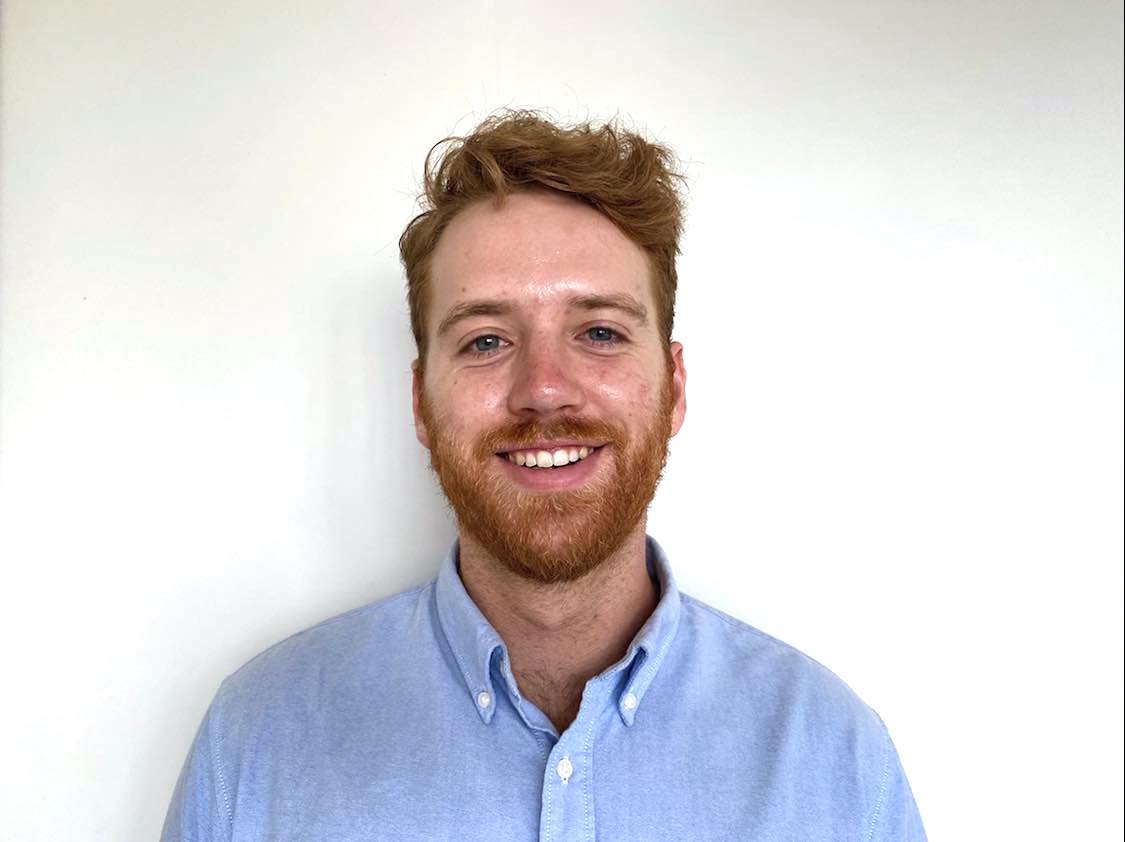
According to Dr Jacob Crouse, Postdoctoral Research Fellow at the Brain and Mind Centre, the answer lies in the clash between different “clocks” that govern daily life.
“Millions of years ago, life evolved a ‘biological clock’ to coordinate physiology with the timing of the ‘solar clock’, the Sun,” Dr Crouse said.
Humans later introduced what he describes as “social clocks”, including fixed work schedules and daylight saving. When these systems fall out of alignment, the body has to adjust.
“The mismatch between biological, solar and social clocks can lead to all manner of problems with health and wellbeing,” he said.
How can the change affect mental health?
For most people, the shift is relatively minor. However, even a one hour change can have an impact.
As Dr Crouse explains, “In people with very sensitive biological clocks, this mismatch can trigger episodes of depression or mania.”
The mismatch between biological, solar and social clocks can lead to all manner of problems with health and wellbeing. In people with very sensitive biological clocks, this can trigger episodes of depression or mania.
Dr Jacob Crouse
Brain and Mind Centre
What’s happening astronomically when daylight saving ends?
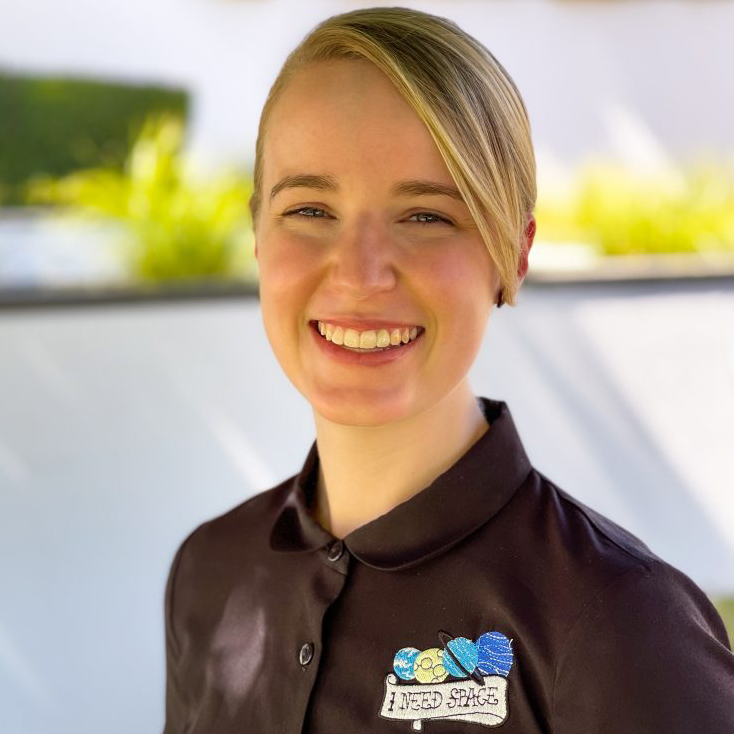
While the clock change happens instantly, the changing length of daylight is a gradual, natural process. Dr Laura Driessen, Postdoctoral Researcher at the Sydney Institute for Astronomy, said the Sun “keeps its own time”.
“It doesn’t pay any heed to our watches,” she said.
Over the course of the year, day length changes as the Earth orbits the Sun. This is due to the Earth rotating on an axis that is tilted relative to its orbit. Dr Driessen says that as a result, daylight hours in Sydney vary significantly depending on the season.
“The Sun is ‘up’ for more than 14 hours in the middle of summer in Sydney, but only 10 hours in the middle of winter,” Dr Driessen said.
Do daylight saving changes affect animals?
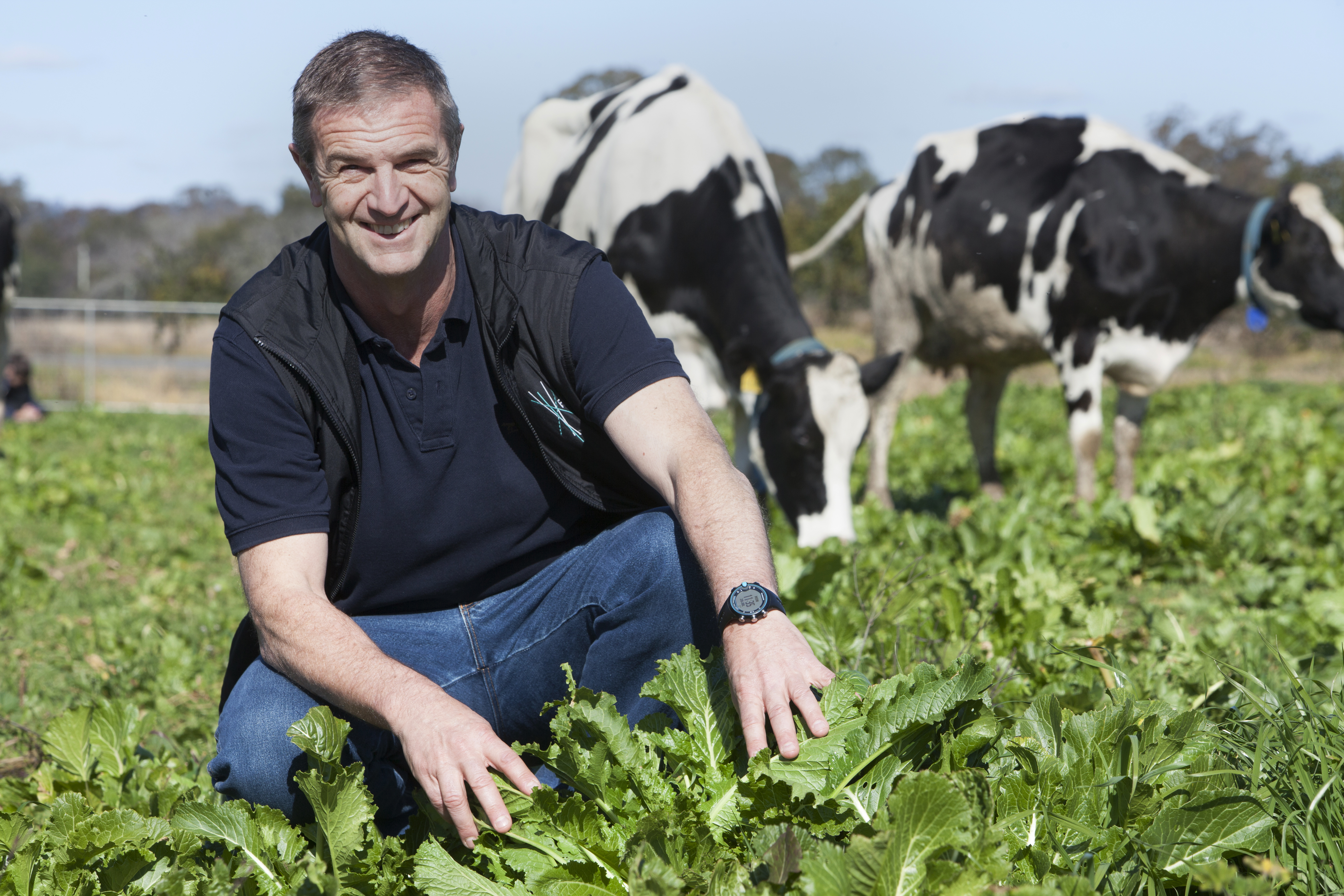
They can, particularly for animals that rely on routine rather than clocks. Professor Sergio ‘Yani’ Garcia from the University of Sydney Institute of Agriculture uses dairy cattle as an example.
“Cows like routines, and any sudden change – such as milking one hour earlier – will be noticeable in terms of milk production,” he said.
Milk secretion, however, is a continuous process. Provided there are no changes in total feed availability, Professor Garcia said the impact is usually short-lived.
“The effect of a change to milking intervals should be compensated in the next milking and become unnoticeable in just a few days,” he said.
Professor Garcia’s research into robotic milking systems also shows that cows value independence over strict routines.
“Our research shows that cows like independence and freedom more than actual routine,” Professor Garcia said. “Given the choice, some cows would return to be milked three or more times per day, while others prefer only once or three times every two days – and anything in between.”
What happens next?
From Sunday morning, participating states will return to standard time, with earlier sunsets and brighter mornings becoming more noticeable as winter approaches.
Daylight saving will resume later in the year, but for now, the clock change offers a reminder of how closely our daily lives remain tied to the Sun and the body’s internal rhythms.
Hero image: Adobe Stock Images
Manual Name : Dr Jacob Crouse
Manual Description : Postdoctoral Research Fellow at the Brain and Mind Centre
Manual Address :
Manual Addition Info Title :
Manual Addition Info Content :
Profile image : /content/dam/corporate/images/news-and-opinion/news/2025/june/jacob-crouse_headshot-landscape.jpeg
Manual Type : profile
_self
Auto Type : contact
Auto Addition Title :
Auto Addition Content :
Auto Name : true
Auto Position : true
Auto Profile image :
Auto Phone Number : false
Auto Mobile Number : false
Auto Email Address : false
Auto Address : false
UUID : 9af0a766-7c3b-49bd-bb46-9f2b572acb4e
Manual Name : Dr Laura Driessen
Manual Description : Postdoctoral Researcher at the Sydney Institute for Astronomy
Manual Address :
Manual Addition Info Title :
Manual Addition Info Content :
Profile image : /content/dam/people/students/profile-and-headshots/laura-driessen-astronomy.jpg
Manual Type : profile
_self
Auto Type : contact
Auto Addition Title :
Auto Addition Content :
Auto Name : true
Auto Position : true
Auto Profile image :
Auto Phone Number : false
Auto Mobile Number : false
Auto Email Address : false
Auto Address : false
UUID : 9af0a766-7c3b-49bd-bb46-9f2b572acb4e
Manual Name : Professor Sergio ‘Yani’ Garcia
Manual Description : University of Sydney Institute of Agriculture
Manual Address :
Manual Addition Info Title :
Manual Addition Info Content :
Profile image : /content/dam/corporate/images/faculty-of-science/research/research-impact/Research-impact-Yani-Garcia.jpg
Manual Type : profile
_self
Auto Type : contact
Auto Addition Title :
Auto Addition Content :
Auto Name : true
Auto Position : true
Auto Profile image :
Auto Phone Number : false
Auto Mobile Number : false
Auto Email Address : false
Auto Address : false
UUID : 9af0a766-7c3b-49bd-bb46-9f2b572acb4e
Media contact
Manual Name : Emily Fraser
Manual Description : Assistant Media and PR Adviser
Manual Address :
Manual Addition Info Title :
Manual Addition Info Content :
Profile image :
Manual Type : contact
_self
Auto Type : contact
Auto Addition Title :
Auto Addition Content :
Auto Name : true
Auto Position : true
Auto Profile image :
Auto Phone Number : false
Auto Mobile Number : true
Auto Email Address : true
Auto Address : false
UUID : 861ef23f-6d5e-422e-984e-8a05df9c7b78