
Deadly heatwave events are occurring at temperatures and humidity levels previously thought to be survivable, according to a new paper by a team of international researchers, including from the University of Sydney and the Australian National University (ANU).
The study looked at heatwaves that occurred In Mecca (Saudi Arabia) during 2024, Bangkok (Thailand) during 2024, Phoenix (United States) during 2023, Mount Isa (Australia) during 2019, Larkana (Pakistan) during 2015 and Seville (Spain) in 2003. The events featured climatologically extreme conditions and, with the exception of Australia, were associated with at least 1000 deaths. Non-survivable thresholds were surpassed during all six of the events.
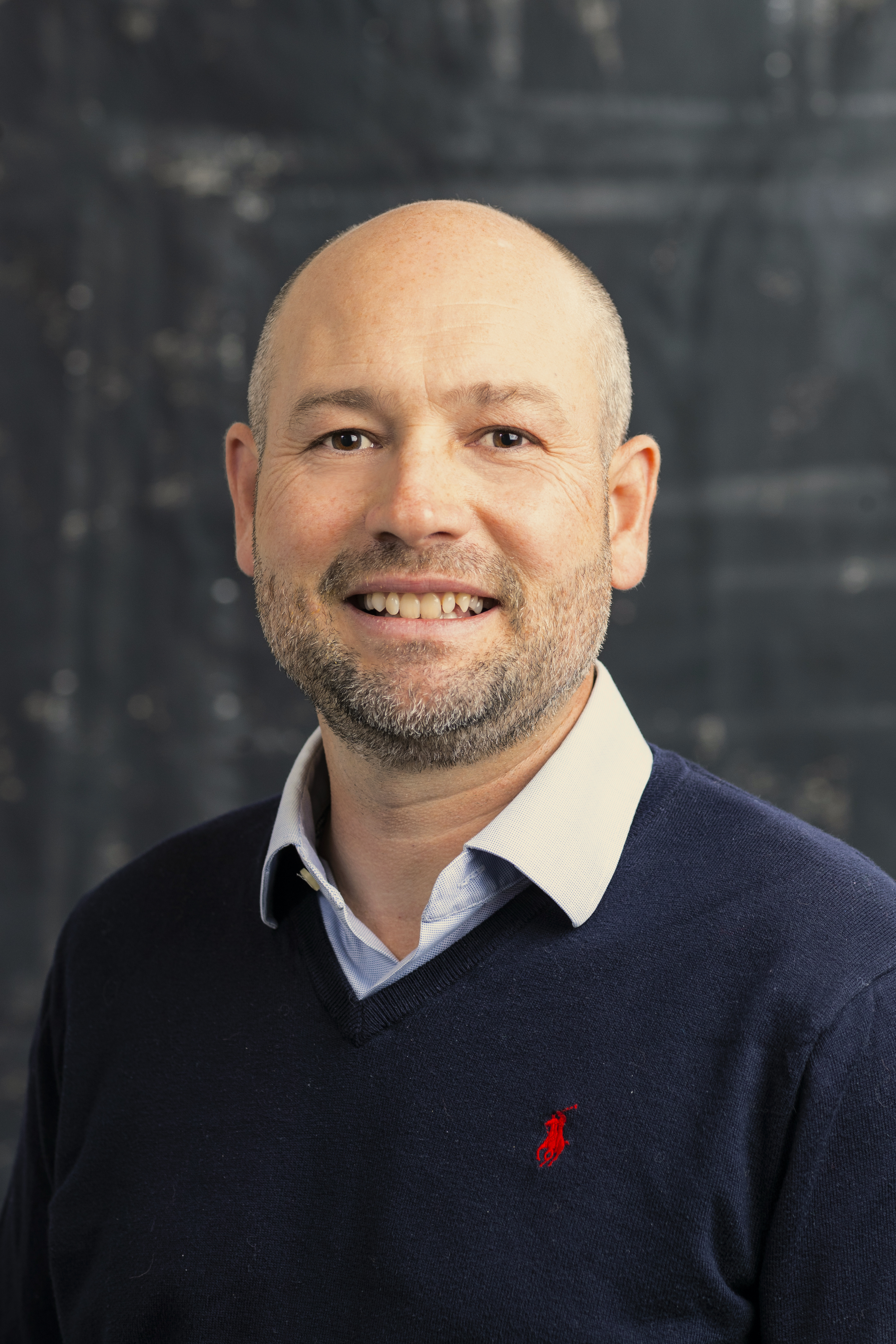
"The vulnerability of humans to extreme conditions will become more frequent as global warming continues,'' said co-author Professor Ollie Jay, Director of the Heat and Health Research Centre in the Faculty of Medicine and Health.
"Adaption initiatives against extreme heat and humidity are extremely important, including ensuring people have increased access to shade, buildings designed with cooling considerations, fans and Interventions such as skin wetting," said Professor Jay, who also holds an affiliation with the Charles Perkins Centre.
“This is particularly important for vulnerable groups, such as the elderly, pregnant people, young children, those with underlying chronic conditions and those who have difficulty accessing adequate cooling due to economic limitations.’’
Lead author from the ANU and the ARC Centre of Excellence for the Weather of the 21st Century, Professor Perkins-Kirkpatrick said: "While many people are rightly concerned about the possible effects of future heatwaves as global warming continues, our research shows that non-survivable conditions are occurring during present-day heat events."
Heat stress limits for human survivability were previously defined using a wet-bulb temperature of 35 degrees Celsius. "Wet-bulb temperature" is the lowest temperature that can be achieved by evaporative cooling with unlimited sweating. However, recently the HEAT-Lim model, co-developed by researchers at the University of Sydney and Arizona State University, demonstrated that after accounting for limitations of human physiology, environmental heat stress thresholds may be cooler and drier than previously thought.
"The events we studied using the HEAT-Lim model were all below 35 degrees wet-bulb temperature and included regular exceedances of deadly thresholds for older people directly exposed to the sun,'' Professor Perkins-Kirkpatrick said.
"Moreover, extremely hot, dry conditions are found to be just as deadly as hot and humid conditions.''
The vulnerability of humans to extreme conditions will become more frequent as global warming continues.
Professor Ollie Jay
Heat and Health Research Centre, Faculty of Medicine and Health
Top dry-bulb temperatures in the studied cities during the events ranged from 41.53 degrees In Mount Isa to 46.73 degrees in Phoenix; the top web-bulb temperatures ranged from 24.32 degrees in Phoenix to 30.85 degrees in Larkana.
During the heatwaves over the Middle East, Southern Asia, Central America, Australia and India/Pakistan, people aged 65-years and over faced an extremely high risk of physiological heat stress unless they were able to access shade or cooling.
Research
Perkins-Kirkpatrick, S.E., Gregory, C.H., Vanos, J.K. et al. Deadly heat stress conditions are already occurring. Nat Commun 17, 2590 (2026)
DOI: 10.1038/s41467-026-70485-1
Declaration
This research was supported by the Australian Research Council, National Health and Medical Research Council and the National Science Foundation. The authors declare no competing interests.
Manual Name : Professor Ollie Jay
Manual Description : Director, Heat and Health Research Centre
Manual Address :
Manual Addition Info Title :
Manual Addition Info Content :
Profile image : /content/dam/intranet/images/ollie-jay-headshot-2021.jpg
Manual Type : profile
_self
Auto Type : contact
Auto Addition Title :
Auto Addition Content :
Auto Name : true
Auto Position : true
Auto Profile image :
Auto Phone Number : false
Auto Mobile Number : false
Auto Email Address : false
Auto Address : false
UUID : 9af0a766-7c3b-49bd-bb46-9f2b572acb4e
Media contact
Manual Name : Luisa Low
Manual Description : Senior Media and PR Adviser
Manual Address :
Manual Addition Info Title :
Manual Addition Info Content :
Profile image :
Manual Type : contact
_self
Auto Type : contact
Auto Addition Title :
Auto Addition Content :
Auto Name : true
Auto Position : true
Auto Profile image :
Auto Phone Number : false
Auto Mobile Number : true
Auto Email Address : true
Auto Address : false
UUID : 861ef23f-6d5e-422e-984e-8a05df9c7b78