
A major national survey conducted by researchers at the University of Sydney has revealed what motivates Australians to get their annual influenza (flu) vaccination.
The study, published in the Australian and New Zealand Journal of Public Health, involved more than 2000 people aged 18 or over from across Australia and sought to understand people’s attitudes towards the flu vaccine, including: why people choose to get vaccinated; why others choose not to; and if there are barriers that stand in the way of vaccination.
Senior author, Professor Julie Leask from the School of Public Health, said: “There is already a lot of flu about this season, with more than 28,000 notifications so far this year.
“Most people recover from the flu without needing treatment, but it can be serious for children, older people, pregnant women and those with underlying health issues. Last year, 1738 people died with or from flu.
“Vaccination is the safest way to protect you and those around you from flu. This research provides an invaluable insight into people’s attitudes towards the flu vaccine, their experiences with accessing services, and the reasons for their decisions.”
The study is part of the National Vaccination Insights Project, a partnership between the University of Sydney, the National Centre for Immunisation Research and Surveillance and the Murdoch Children’s Research Institute, and funded by the National Health and Medical Research Council.
Key findings
Increased trust in the flu vaccine and healthcare professionals
The majority of people said they trust health workers to give the flu vaccine, rising from 80 percent in 2024 to 86.5 percent in 2025.
A large majority (78.3 percent) thought the flu vaccine was either very or moderately safe, up from 75 percent in 2024. Those believing that the vaccine offered significant or moderate personal protection also slightly increased, from 65 percent in 2024 to 67.8 percent in 2025.
Reasons behind vaccination attitudes
The study found that most survey participants (62.3 percent) wanted to get a flu vaccine that year, while 23.6 percent were not intending to and 14.1 percent were unsure.
People who planned to get a vaccine were nine times more likely to have received a vaccine in the past two years. They were also more likely to believe that they had a personal responsibility to get vaccinated.
For those who did not intend to get a flu vaccine, there were a variety of reasons for this decision, including:
not thinking it was necessary because they were generally healthy;
previously experiencing side effects from vaccinations;
scepticism about vaccine safety;
suspicion of government; and
fear of needles.
Personal responsibility
The percentage of people who felt a personal responsibility to get a flu vaccine has declined significantly, from 65 percent in 2024 to 61.8 percent in 2025. There was also a decline in people who said they were either very or moderately concerned about getting flu, from 32 percent in 2024 down to 29.4 percent in 2025.
Barriers to getting vaccinated
Almost a third (31 percent) of participants reported that it was hard for them to get a flu vaccine. The cost of the vaccine was the most reported reason (25.3 percent of respondents who found it hard), followed by difficulty making an appointment (24.7 percent), inconvenient opening times (22.6 percent) and not being able to take time away from work (20 percent).
Purpose of the study
This is the second year that the survey has been carried out, with the results benchmarked against the 2024 data to reveal evolving trends in motivations, barriers and decision-making.
Co-author Dr Maria Christou-Ergos said: “It’s encouraging that most people surveyed think the vaccine is safe, and that trust in healthcare professionals has increased.
“But with vaccination rates in a downward trend, it’s important to understand people’s attitudes and any barriers they face to strengthen future vaccination strategies.”
Declaration
Professor Leask has received travel support for an overseas meeting from Sanofi in 2024 and from Pfizer for an interstate meeting in 2026. All other authors declare no competing interests.
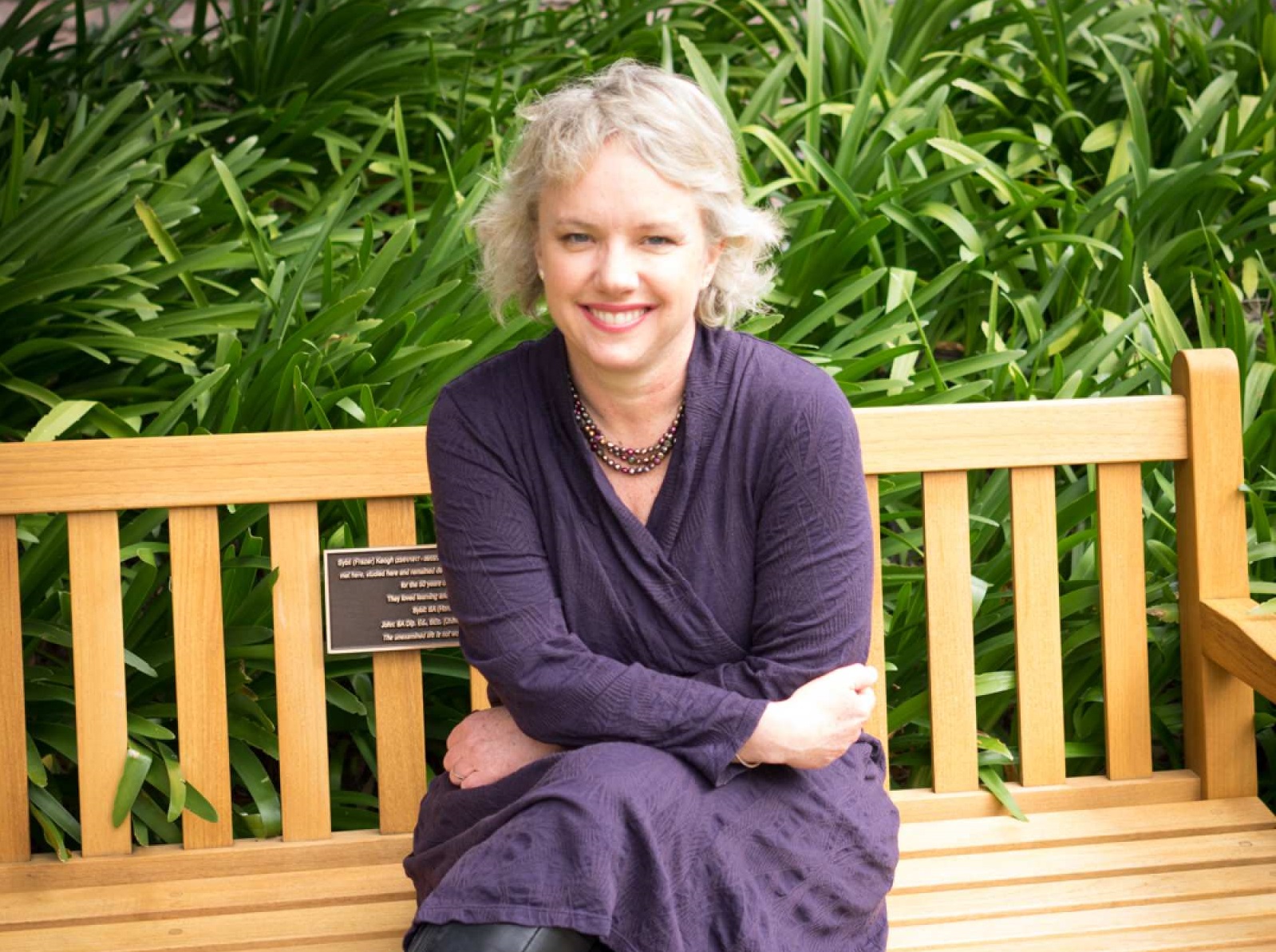
Manual Name : Professor Julie Leask
Manual Description : School of Public Health
Manual Address :
Manual Addition Info Title :
Manual Addition Info Content :
Profile image : /content/dam/intranet/images/medicine-and-health/news-and-events/2019/october/julie-leask-crop.jpeg
Manual Type : profile
_self
Auto Type : contact
Auto Addition Title :
Auto Addition Content :
Auto Name : true
Auto Position : true
Auto Profile image :
Auto Phone Number : false
Auto Mobile Number : false
Auto Email Address : false
Auto Address : false
UUID : 9af0a766-7c3b-49bd-bb46-9f2b572acb4e
Media contact
Manual Name : Katie Spenceley
Manual Description : Media Adviser
Manual Address :
Manual Addition Info Title :
Manual Addition Info Content :
Profile image :
Manual Type : contact
_self
Auto Type : contact
Auto Addition Title :
Auto Addition Content :
Auto Name : true
Auto Position : true
Auto Profile image :
Auto Phone Number : false
Auto Mobile Number : true
Auto Email Address : true
Auto Address : false
UUID : 861ef23f-6d5e-422e-984e-8a05df9c7b78