
A new nationwide study from the University of Sydney analysed the health records of over 4.4 million older Australians (65 years and over) and found that more than three‑quarters are living with multiple chronic conditions, and that these conditions tend to cluster into three main groups rather than occurring at random.
The study identified three consistent multimorbidity clusters in both sexes, and cluster prevalence varied by age, socioeconomic status, and geographic remoteness.
- Cardiovascular-metabolic (e.g. hypertension, heart failure, diabetes)
- Neuropsychiatric-functional decline (e.g. depression, pain, anxiety)
- Inflammatory-musculoskeletal-cancer (e.g. chronic airway disease, osteoporosis, cancer).
Published in the Medical Journal of Australia, this is the first up‑to‑date national study to show how these patterns differ by age and socioeconomic status, highlighting major health inequalities and the need for more coordinated care for an ageing population.
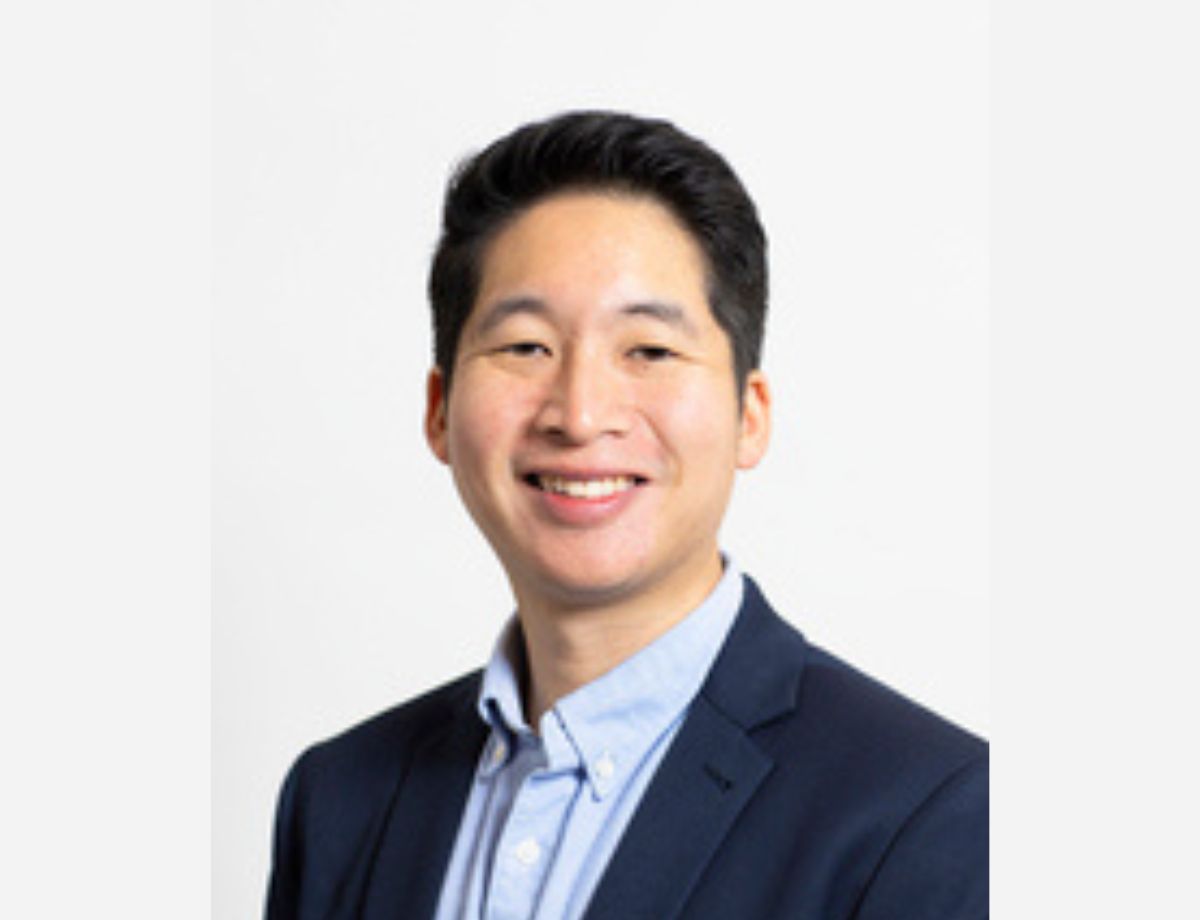
“Most older Australians have multiple chronic conditions – it’s the norm, not the exception,” said Associate Professor Edwin Tan, from the University’s School of Pharmacy and Charles Perkins Centre.
"Multimorbidity is associated with poorer quality of life, functional decline, higher mortality, greater healthcare use and higher rates of hospitalisation. Understanding how chronic conditions cluster together is critical for planning healthcare services for an ageing population.
"Our study found that 76 percent of older Australians had multimorbidity (two or more chronic conditions) and about one third had five or more chronic conditions. High blood pressure, high cholesterol, and gastroesophageal reflux disease (GORD) were found to be the most common individual conditions.
“Importantly, conditions do not occur randomly. They tend to cluster into three main groups – cardiovascular and metabolic conditions; neuropsychiatric and functional decline conditions; and inflammatory, musculoskeletal and cancer-related conditions. Within each cluster, certain conditions commonly co-occur together. This may reflect shared risk factors and underlying disease mechanisms, and highlights the need for more integrated, person-centred models of care rather than treating conditions in isolation.
"We also found the prevalence of multiple chronic conditions rises sharply with age and is higher among disadvantaged communities, exposing major health inequalities.
"These findings highlight an urgent need for better prevention and more coordinated care to support ageing populations with complex health needs," he said.
Additional study findings:
- The study included more than 4.4 million Australians aged 65 years and over, providing a national snapshot of older adults’ health.
- Burden increased with age, especially in those aged over 85 years.
- Higher prevalence in socioeconomically disadvantaged groups, showing clear health inequalities.
- Similar clustering patterns in men and women, but with differences in prevalence of specific conditions.
Declaration
The authors declare no competing interests.
This study was supported by a University of Sydney Faculty of Medicine and Health Targeted Funding Call 2024 (Funding for Gerontology/Ageing 2024).
Edwin C K Tan is supported by a Dementia Australia Research Foundation Mid-Career Fellowship.
Manual Name : Associate Professor Edwin Tan
Manual Description : Associate Professor in Pharmacy, Faculty of Medicine and Health; Charles Perkins Centre
Manual Address :
Manual Addition Info Title :
Manual Addition Info Content :
Profile image : /content/dam/intranet/images/medicine-and-health/news-and-events/2024/september/edwin-tan_fmh-wins.jpg
Manual Type : profile
_blank
Auto Type : contact
Auto Addition Title :
Auto Addition Content :
Auto Name : true
Auto Position : true
Auto Profile image :
Auto Phone Number : false
Auto Mobile Number : false
Auto Email Address : false
Auto Address : false
UUID : 9af0a766-7c3b-49bd-bb46-9f2b572acb4e
Media contact
Manual Name : Media office
Manual Description :
Manual Address :
Manual Addition Info Title :
Manual Addition Info Content :
Profile image :
Manual Type : contact
_self
Auto Type : contact
Auto Addition Title :
Auto Addition Content :
Auto Name : true
Auto Position : true
Auto Profile image :
Auto Phone Number : false
Auto Mobile Number : true
Auto Email Address : true
Auto Address : false
UUID : 861ef23f-6d5e-422e-984e-8a05df9c7b78