
More than 3.5 million Australians aged 50 and over are living with hearing impairment and more than 360,000 are living with vision impairment, according to the country’s largest survey of eye and ear health.
Led by researchers from the Westmead Institute for Medical Research and University of Sydney, the study was a collaboration with Macquarie University Hearing Research Centre and the School of Optometry and Vision Science at UNSW. It found people living in rural and remote Australia experience a disproportionate burden of sensory impairment despite many forms of vision and hearing loss being preventable or treatable.
The findings provide the most comprehensive national snapshot of hearing and vision health in older Australians and highlight persistent inequalities affecting Aboriginal and Torres Strait Islander communities and people living outside major cities.
Researchers estimated almost 1.2 million Australians aged 50 and over are living with disabling hearing loss. People living in remote Australia were four times more likely to experience vision impairment than people living in metropolitan areas.
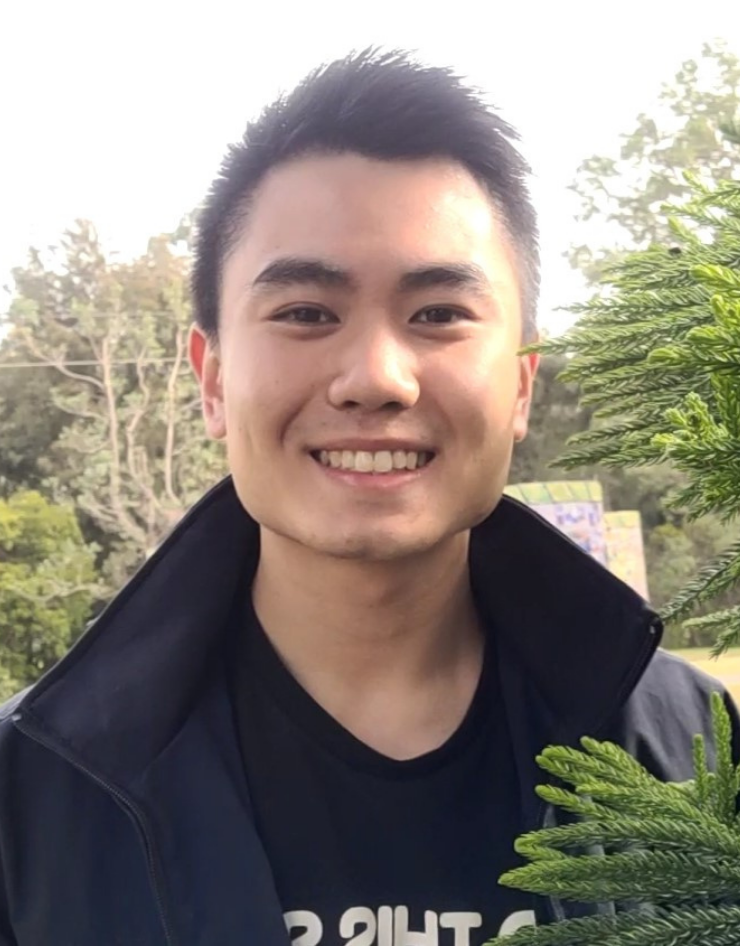
Lead author Dr Richard Kha, a PhD student at the Westmead Institute for Medical Research, said the study highlighted the scale of sensory impairment in Australia and the persistent inequities affecting Aboriginal and Torres Strait Islander communities.
“The encouraging news is that much of the vision loss we found is preventable or treatable. But where people live, and whether they can access timely eye care still has a major impact on whether they lose their sight,” said Dr Kha.
Our findings highlight the need to improve access to high-quality eye care, particularly in Indigenous and remote communities.
Dr Richard Kha,
PhD student, Westmead Institute for Medical Research
The research found Indigenous Australians remain almost three times more likely to experience vision impairment than non-Indigenous Australians. Hearing loss was also evident at much younger ages, with Indigenous Australians aged 50 to 59 almost three times more likely to experience moderate hearing impairment than their non-Indigenous peers.
“Australia has made real progress in improving eye care over the past decade,” Dr Kha said.
“However, the persistent gap for Aboriginal and Torres Strait Islander people, as well as people living in rural and remote communities, tells us that progress has not been shared equally.
“Our findings highlight the need to improve access to high-quality eye care, particularly in Indigenous and remote communities.”
The study identified several risk factors linked to vision and hearing impairment, including diabetes, smoking and socioeconomic disadvantage.
People who had received an eye examination within the previous year were significantly less likely to have vision impairment, suggesting earlier detection and treatment could help reduce the burden of preventable vision loss.
Study co-author Professor Bamini Gopinath from Macquarie University Hearing said many of the findings point towards preventable or treatable causes.
“One of the most encouraging findings is that many of the factors associated with hearing loss are preventable or treatable,” said Professor Gopinath.
“Addressing chronic conditions such as diabetes and lifestyle factors such as smoking may help to reduce an individual’s risk of developing hearing loss and thereby, prevent some of the downstream negative impacts of hearing loss in adults.”
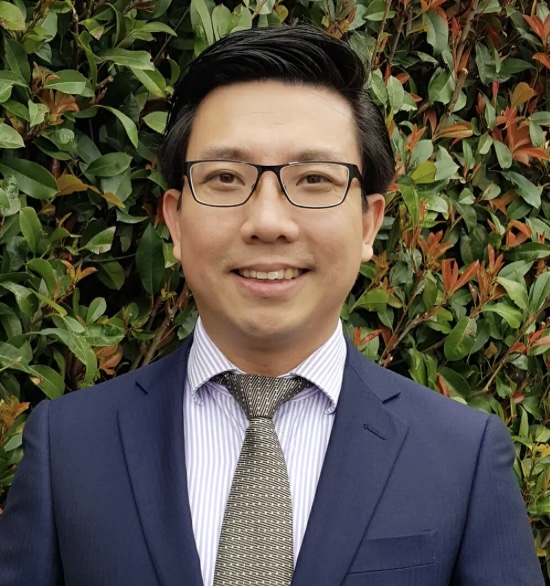
Senior author Associate Professor Gerald Liew from the Centre for Vision Research at the Westmead Institute for Medical Research said the study provides nationally representative evidence to help guide future planning for eye and ear health services.
“This study gives Australia a clearer picture of where vision and hearing health gaps remain, and where better access, earlier detection and more targeted services could make a real difference,” Associate Professor Liew said.
A report has been provided to the Department of Health, Ageing and Disability, with the findings expected to help inform future service delivery, policy development and research priorities in eye and ear health.
Research
Kha R, Macken O, Davis A et al., Prevalence of vision and hearing impairment in Australia: a nationally representative survey of Indigenous and non-Indigenous Australians aged 50 years and older, The Lancet Global Health, 2026
DOI: 10.1016/j.langlo.2026.103960
Declaration
The authors declare no competing interests.
The study was funded by the Australian Commonwealth Government Department of Health, Disability and Ageing (overall funding and vision components) and the Martin Lee Centre for Innovations in Hearing Health at Macquarie University (hearing components), Sydney, NSW, Australia.
The funding sources did not play any role in the writing of the manuscript or decision to submit for publication. The authors did not receive payment to write this article.
Manual Name : Dr Richard Kha
Manual Description : PhD student, Westmead Institute for Medical Research
Manual Address :
Manual Addition Info Title :
Manual Addition Info Content :
Profile image : /content/dam/corporate/images/news-and-opinion/news/2026/july/richard-kha-740x946px.png
Manual Type : profile
_self
Auto Type : contact
Auto Addition Title :
Auto Addition Content :
Auto Name : true
Auto Position : true
Auto Profile image :
Auto Phone Number : false
Auto Mobile Number : true
Auto Email Address : true
Auto Address : false
UUID :
Manual Name : Associate Professor Gerald Liew
Manual Description : Centre for Vision Research, Westmead Institute for Medical Research
Manual Address :
Manual Addition Info Title :
Manual Addition Info Content :
Profile image : /content/dam/corporate/images/news-and-opinion/news/2026/july/gerald-liew.jpg
Manual Type : profile
_self
Auto Type : contact
Auto Addition Title :
Auto Addition Content :
Auto Name : true
Auto Position : true
Auto Profile image :
Auto Phone Number : false
Auto Mobile Number : true
Auto Email Address : true
Auto Address : false
UUID :
Media contact
Manual Name : Emily Fraser
Manual Description : Assistant Media and PR Adviser (Medicine and Health)
Manual Address :
Manual Addition Info Title :
Manual Addition Info Content :
Profile image :
Manual Type : contact
_self
Auto Type : contact
Auto Addition Title :
Auto Addition Content :
Auto Name : true
Auto Position : true
Auto Profile image :
Auto Phone Number : false
Auto Mobile Number : true
Auto Email Address : true
Auto Address : false
UUID : 861ef23f-6d5e-422e-984e-8a05df9c7b78