
Australians are becoming increasingly lonely and socially isolated, according to new University of Sydney research, which found rates of social isolation nearly doubled over the past 23 years. Loneliness rates also increased over time, though more gradually than social isolation, with the sharpest impacts observed among vulnerable populations.
Published today in the International Journal of Epidemiology, the study examined 23 years of nationally representative HILDA (Household, Income and Labour Dynamics in Australia) data from 2001-2023. This longitudinal analysis provides some of the first long-term national evidence on trends in loneliness and social isolation in Australia.
Social isolation describes an objective state of limited social contact, social engagement or meaningful relationships, whereas loneliness is the subjective perception that one’s actual social relationships fall short of those desired.
Lead author Dr Neta Hagani, Honorary Adjunct Affiliate from the School of Public Health and Charles Perkins Centre at the University of Sydney said: “Concerns about Australians becoming more disconnected have grown in recent years, yet there has been little national-level evidence showing whether loneliness or social isolation is actually increasing.
“Our study showed that social isolation has increased substantially in Australia over the past two decades, nearly doubling from 16.9 percent in 2001 to 29.9 percent in 2023.
“Loneliness showed a more moderate increase overall from 6.3 percent to 8.4 percent, disproportionally affecting vulnerable populations.
“We found that younger adults experienced some of the most substantial increases in loneliness, while older adults consistently had the highest levels of social isolation and experienced sizable increases over time.
“The data also revealed that loneliness and social isolation were consistently more common among people who were unemployed, lived in a more socioeconomically disadvantaged area, were widowed, living alone, or had lower levels of education.
“The findings suggest that Australians are having fewer social connections and interactions than in previous years. Although increases in feelings of loneliness have been comparatively modest, loneliness is still on the rise. This distinction is important because social isolation and loneliness are related but different experiences, and both are associated with poorer physical and mental health outcomes.”
Key findings:
- Analysis of two decades of HILDA data shows marked increases in episodic and chronic social isolation. Episodic social isolation (at least one wave) rose from 16.9 percent in 2001 to 29.9 percent in 2023. Chronic social isolation (at least two consecutive waves) approximately doubled from 10.3 percent in 2002 to 20.5 percent in 2023.
- Loneliness followed a different pattern, generally declining during the 2000s before increasing again from the 2010s onward. Chronic loneliness increased gradually from 6.3 percent in 2002 to 8.4 percent in 2023, indicating a growing group of Australians experiencing persistent loneliness.
- Younger adults experienced some of the largest increases in loneliness, while older adults consistently had the highest levels of social isolation and showed the greatest increases over time.
- Loneliness and social isolation were consistently more common among people who were unemployed, lived in more socioeconomically disadvantaged areas, were widowed, living alone, or had lower levels of education.
- Findings from multiple sensitivity analyses showed that the overall trends were robust and were not solely explained by the COVID-19 pandemic.
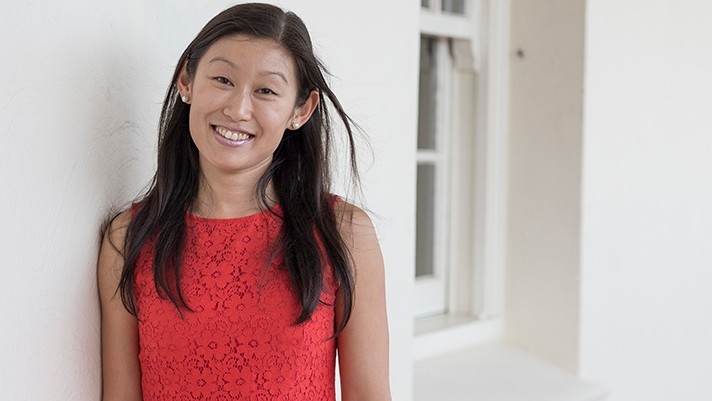
Senior author Professor Melody Ding from the Sydney School of Public Health and Charles Perkins Centre said social connection should be viewed as a public health issue, not merely a personal one.
“The findings highlight that certain groups, particularly young adults, older adults, unemployed people, and people living in disadvantaged areas, may need additional support to maintain meaningful social connections. There are no signs of closing the gap, and in most cases, there seems to be a trend for widening gaps.
“The results also suggest that broader social and structural factors, such as employment, housing, living arrangements, community participation, and neighbourhood disadvantage, play an important role in shaping social connection across the population. The widening social inequalities Australia has experienced in the last two decades may have contributed to worsening social connections as well.
“Social isolation and loneliness can have potential long-term health impacts, highlighting the need for sustained policy and public health action across the life course,” Professor Ding said.
Declaration
The authors have no conflicting interests.
Melody Ding is funded by the National Health and Medical Research Council Emerging Leader Fellowship (award No. 2009254).
This paper uses unit record data from the Household, Income and Labour Dynamics in Australia (HILDA) Survey. The HILDA Project was initiated and is funded by the Australian Government Department of Social Services (DSS) and is managed by the Melbourne Institute of Applied Economic and Social Research (Melbourne Institute). The findings and views reported in this paper, however, are those of the author and should not be attributed to either DSS or the Melbourne Institute.
Manual Name : Professor Melody Ding
Manual Description : Professor of Public Health/NHMRC Emerging Leader Fellow
Manual Address :
Manual Addition Info Title :
Manual Addition Info Content :
Profile image : /content/dam/corporate/images/medicine-and-health/research/melody.jpeg
Manual Type : profile
_self
Auto Type : contact
Auto Addition Title :
Auto Addition Content :
Auto Name : true
Auto Position : true
Auto Profile image :
Auto Phone Number : false
Auto Mobile Number : false
Auto Email Address : false
Auto Address : false
UUID : 9af0a766-7c3b-49bd-bb46-9f2b572acb4e
Manual Name : Dr Neta Hagani
Manual Description : School of Public Health
Manual Address :
Manual Addition Info Title :
Manual Addition Info Content :
Profile image : /content/dam/corporate/images/news-and-opinion/news/2026/september/neta_hagani.jpg
Manual Type : profile

_self
Auto Type : contact
Auto Addition Title :
Auto Addition Content :
Auto Name : true
Auto Position : true
Auto Profile image :
Auto Phone Number : false
Auto Mobile Number : true
Auto Email Address : true
Auto Address : false
UUID :
Media contact
Manual Name : Kobi Print
Manual Description : Media and Public Affairs Adviser
Manual Address :
Manual Addition Info Title :
Manual Addition Info Content :
Profile image :
Manual Type : contact
_self
Auto Type : contact
Auto Addition Title :
Auto Addition Content :
Auto Name : true
Auto Position : true
Auto Profile image :
Auto Phone Number : false
Auto Mobile Number : true
Auto Email Address : true
Auto Address : false
UUID : 861ef23f-6d5e-422e-984e-8a05df9c7b78