
New research from University of Sydney finds Australian patient groups received almost $96 million in funding from pharmaceutical companies over a 10-year period, raising questions about the influence of industry funding on health advocacy priorities.
Published in the MJA, this is the most comprehensive study to date documenting the extent of pharmaceutical industry funding of patient groups in Australia.
The study found:
- Pharmaceutical companies disclosed $95.7 million in payments to 390 Australian patient groups between 2013 and 2022.
- Funding was very unevenly distributed, as almost half (47.9 percent) of all disclosed pharmaceutical funding went to just 13 patient groups.
- Cancer-related organisations received the largest share of support, attracting more than $24 million, or one quarter of all funding identified in the study.
- Industry funding has increasingly concentrated in disease areas where pharmaceutical innovation and market activity are high, particularly cancer. This raises important questions about whether commercial interests could influence advocacy priorities, public awareness campaigns or policy discussions.
The patient groups that received the most funding were:
While many patient organisations rely on a range of funding sources to provide support, education and advocacy services, the researchers say the extent and concentration of industry funding warrants closer scrutiny. Additionally, although pharmaceutical funding represented a relatively small proportion of income for many organisations, some groups were highly dependent on industry support.
“Patient groups play a vital role in supporting Australians living with illness and ensuring patient voices are heard in health policy discussions and advocating for better care,” said lead author Dr Ashleigh Hooimeyer from Sydney Pharmacy School in the Faculty of Medicine and Health and the Charles Perkins Centre.
“These groups require funding to continue operating, much of which currently comes from the pharmaceutical industry. This can put pressure on these groups to align with the interests of their funders in order to secure future funding, impairing the ability of patient groups to be an unbiased voice for their communities.
“Australia's largely self-regulated disclosure system which only applies to a part of the pharmaceutical sector may not adequately address potential conflicts of interest or ensure public confidence in the independence of consumer advocacy.
Senior author Barbara Mintzes, Professor of Evidence-Based Pharmaceutical Policy at the Charles Perkins Centre and School of Pharmacy said the findings prompt calls for stronger transparency and safeguards to protect the independence of health advocacy organisations.
“We’re calling for greater transparency and oversight of relationships between pharmaceutical companies and patient organisations to help safeguard trust in Australia's health advocacy sector.”
Declaration
Ashleigh Hooimeyer received a research scholarship through the Australian Government Research Training Program. The funder had no role in the planning, writing or publication of this work.
Barbara Mintzes has acted as an expert witness for Health Canada and is currently an expert witness for the Australian Therapeutic Goods Administration on two legal challenges of regulatory decisions; she has no other competing interests.
Manual Name : Professor Barbara Mintzes
Manual Description : Professor of Evidence-Based Pharmaceutical Policy at the Charles Perkins Centre and School of Pharmacy
Manual Address :
Manual Addition Info Title :
Manual Addition Info Content :
Profile image : /content/dam/corporate/images/charles-perkins-centre/staff-images/barbara-mintzes.jpeg
Manual Type : profile

_self
Auto Type : contact
Auto Addition Title :
Auto Addition Content :
Auto Name : true
Auto Position : true
Auto Profile image :
Auto Phone Number : false
Auto Mobile Number : false
Auto Email Address : false
Auto Address : false
UUID : 9af0a766-7c3b-49bd-bb46-9f2b572acb4e
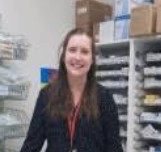
Manual Name : Dr Ashleigh Hooimeyer
Manual Description : Sydney Pharmacy School, Charles Perkins Centre.
Manual Address :
Manual Addition Info Title :
Manual Addition Info Content :
Profile image : /content/dam/corporate/images/news-and-opinion/news/2026/October/ashleigh_hooimeyer.jpg
Manual Type : profile
_self
Auto Type : contact
Auto Addition Title :
Auto Addition Content :
Auto Name : true
Auto Position : true
Auto Profile image : /content/dam/corporate/images/news-and-opinion/news/2026/October/ashleigh_hooimeyer.jpg
Auto Phone Number : false
Auto Mobile Number : false
Auto Email Address : false
Auto Address : false
UUID : 9af0a766-7c3b-49bd-bb46-9f2b572acb4e
Media contact
Manual Name : Kobi Print
Manual Description : Media and PR Adviser
Manual Address :
Manual Addition Info Title :
Manual Addition Info Content :
Profile image :
Manual Type : contact
_self
Auto Type : contact
Auto Addition Title :
Auto Addition Content :
Auto Name : true
Auto Position : true
Auto Profile image :
Auto Phone Number : false
Auto Mobile Number : true
Auto Email Address : true
Auto Address : false
UUID : 861ef23f-6d5e-422e-984e-8a05df9c7b78