
The landmark Global Biodiversity Framework, agreed in 2022, was a major step forward in tackling global biodiversity loss. But without consistent, scientifically robust measures of progress, its ambitions risk going unrealised, a global collaboration of scientists has argued.
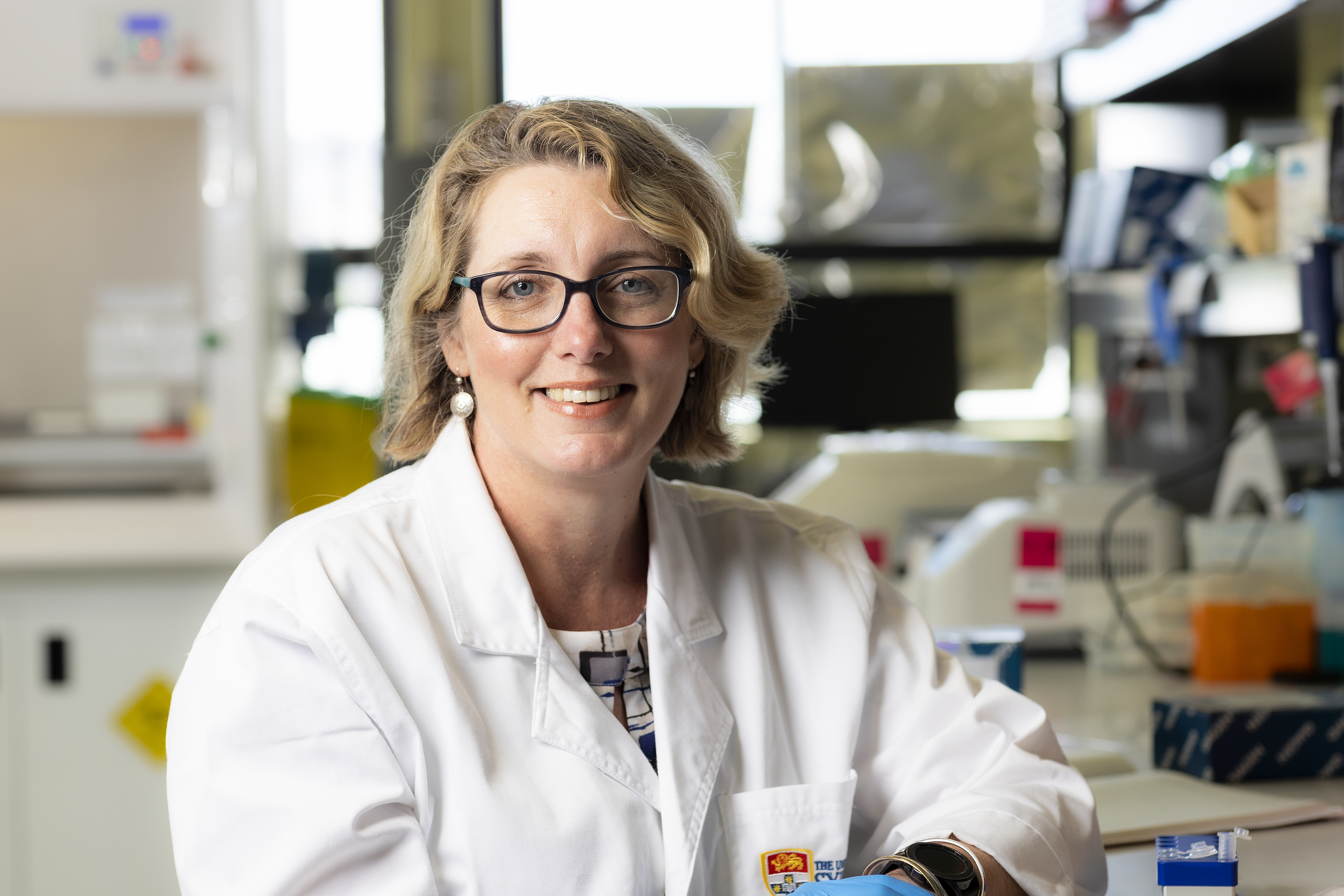
In a new Nature comment, University of Sydney conservation scientist Professor Carolyn Hogg and international colleagues warn that governments, businesses and investors need reliable, independently tested measures to determine whether nature is genuinely recovering in order to give meaning to the framework.
Professor Hogg said: “The Global Biodiversity Framework was a huge step forward, but agreeing to protect nature is not the same as doing it. Without consistent, credible ways to measure progress, we risk having ambitious targets on paper while biodiversity continues to decline.”
Professor Hogg warns we risk having ambitious targets on paper while biodiversity continues to decline.
50
automatic
LinkThe authors recommend using the State of Nature metrics developed by the Nature Positive Initiative. The metrics aim to provide a globally consistent minimal framework – a simple common language – for tracking changes in nature across countries and sectors.
As explained in the Nature comment, many of the challenges raised by the article can be resolved through empirical testing. To that end, in May 2025 the authors launched the Universitas 21 Nature Positive Coalition, a global alliance of research-intensive universities. In collaboration with the Nature Positive Initiative, the U21 coalition is seeking to address the challenges around the state of nature metrics.
The aim is to develop a ‘matrix beyond the metrics’, the authors argue. This would provide a dashboard to be used by investors that accounts for all factors (financial, legal, social and ecological) to ensure that the metrics work for ecosystems, nature stewards, decision makers and investors.
The coalition has started asking the questions posed by their article at two pilot project sites – one in Scotland and the other in New Zealand – while seeking funding to expand the project to 10 global locations across different bioregions and financial and legal systems.
Crucially, the authors argue, the metrics need to be used beyond the finance and business sectors, and be applied across diverse landscapes, seascapes, biomes and socio-economic and governance contexts.
Manual Name : Professor Carolyn Hogg
Manual Description : Australasian Wildlife Genomics Group
Manual Address :
Manual Addition Info Title :
Manual Addition Info Content :
Profile image : /content/dam/people/carolyn-hogg-eureka-finalist-2025.jpg
Manual Type : profile
_self
Auto Type : contact
Auto Addition Title :
Auto Addition Content :
Auto Name : true
Auto Position : true
Auto Profile image :
Auto Phone Number : false
Auto Mobile Number : true
Auto Email Address : true
Auto Address : false
UUID :
Manual Name : Media enquiries
Manual Description : Marcus Strom, Media Relations Adviser (Science)
Manual Address :
Manual Addition Info Title :
Manual Addition Info Content :
Profile image :
Manual Type : contact
_self
Auto Type : contact
Auto Addition Title :
Auto Addition Content :
Auto Name : true
Auto Position : true
Auto Profile image :
Auto Phone Number : false
Auto Mobile Number : true
Auto Email Address : true
Auto Address : false
UUID :