
Affecting over one in three Australians, loneliness was recognised by the World Health Organisation’s 2025 landmark report as a major global challenge. Loneliness not only doubles the risk of depression and suicidal ideation, but also increases the risks of cardiovascular and Alzheimer’s diseases and imposes significant economic penalties including an estimated $2.7 billion in annual healthcare costs.
At the University of Sydney’s School of Architecture, Design and Planning, Professor Thomas Astell-Burt, Professor of Cities and Planetary Health and ARC Future Fellow, is leading research that reveals how reconnecting with nature can reduce loneliness, improve health, and help build flourishing cities.
Understanding 'Lonelygenic Environments'
Professor Astell-Burt and his research colleague from UNSW, Professor Xiaoqi Feng, coined the term ‘lonelygenic environments’ in The Lancet Planetary Health to describe places that undermine health and social capacities, sever people from community resources, and erode a felt sense of belonging.
“Communities across Australia lacking social infrastructure, Third Places, and reasonable public transport access, are completely dependent on cars for basic errands. Some people can go for days, weeks even, without speaking to another person. We've been building for loneliness over decades, and worse, blaming and shaming people who feel lonely,” explains Professor Astell-Burt.
“By regarding loneliness as a failing of personality, relationships or social skills, the conventional narrative purports to offer ‘treatments’ and pours stigma on millions of people suffering in silence. It simultaneously disempowers those in society who can and should be doing something about it; those with power to reshape our cities, workplaces, schools, universities, commercial spaces, and suburbs to become more inclusive, safe, and supportive of human flourishing.”
“For example, our research shows suburbs with parks, woodlands and other green spaces can help people build meaningful connections, companionship and camaraderie with neighbours, and experience a sense of connectedness with something bigger—the awe and wonder of the natural world.”
This research moves beyond the idea of loneliness as a private issue. Instead, it frames loneliness as a systemic outcome of policy, planning and investment decisions—one that can be reversed through evidence-based, community-centred design.
Our research shows suburbs with parks, woodlands and other green spaces can help people build meaningful connections, companionship and camaraderie with neighbours, and experience a sense of connectedness with something bigger—the awe and wonder of the natural world.
Professor Thomas Astell-Burt
Professor of Cities and Planetary Health and Project Lead
Real-world solutions to combat loneliness and poor health
International teams led by Profs Astell-Burt and Feng have shown contact with nature is a powerful, scalable intervention for reducing loneliness and improving wellbeing. Key findings include:
- Spending at least 1-2 hours per week in nature, increases the odds of relief from loneliness by 69% at four months and 110% at sixteen months.
- The odds of loneliness onset fall by a quarter, and halved among those living alone, who have at least 30% parkland in their neighbourhoods
- Similar findings are observed in Singapore, the UK, the US, and India.
Professor Astell-Burt shares his insight about the research findings, “I wasn’t that surprised by how having parks nearby can reduce loneliness, because these spaces are wonderful settings to meet people, as many will know from their own lived experiences. But I was surprised about how potent nature contact was for both preventing and relieving loneliness, and that it may be the trees around us to which we owe this and related health co-benefits most,” he said.
“For example, many of our longitudinal studies indicate that having at least 30% tree canopy in your neighbourhood, rather than any green space per se, nor only helps to reduce loneliness, but also reduced risks of poor general health and psychological distress, sleep deprivation, diabetes, high blood pressure, heart disease, cognitive decline, and even dementia. A big part of these benefits is because green spaces promote physical activity and reduced stress, and the downstream impacts are significant, such as reduced cardiac events and health sector savings due to hospitalisations avoided.”
These insights have proven critical for local and national governments, NGOs, urban planners and health organisations seeking sustainable, high-impact and integrated strategies to address inequalities in loneliness, mental health, chronic diseases, and tackling our climate crisis.
Scaling solutions through cross-sector collaboration
This research is part of a large multi-grant program involving government agencies, local councils, the healthcare sector and community organisations.
“We’ve worked with NSW Government and various local governments, including Blacktown City Council and Western Sydney Regional Organisation of Councils (WSROC), plus many allies in the health sector, such as Western Sydney Local Health District for many years,” said Professor Astell-Burt.
One multiple award-winning flagship project involved advocating for the planting of large, non-frangible street trees in urban areas to maximise health benefits.
Despite concerns about traffic safety on roads above 50km/h, the team provided robust evidence showing that there’s no increased risk of serious accidents on roads under 70kph due to street trees—meanwhile, the health risks of not planting trees are substantial.
This evidence-based approach influenced NSW’s largest local government (by population) to change its urban forestry policy, setting a precedent for other councils across Australia to deliver mass street tree planting and improve the health and wellbeing of the communities they serve.
Designing flourishing cities
Professor Thomas Astell-Burt advocates for a holistic reimagining of urban planning—a shift away from shaping cities solely for efficiency or economic output and toward redesigning spaces that prioritise flourishing.
“A flourishing city enables all residents to live lives of meaning, purpose and connection,” says Astell-Burt. “This includes happiness, health, strong relationships, a sense of belonging, and connectedness with the wider natural world.”
“If a flourishing individual is one for whom all aspects of their life are good, including the contexts in which that person lives, then a flourishing city must be levelling up the lives of all people in it while also protecting nature and the environment on which we all depend. In sum, a flourishing city is one that is good for people and good for the planet.”
Realising this vision requires equitable access to quality green spaces, secure housing, active public transport options, and essential social services—delivered in a way that is inclusive, place-based and sustainable.
This approach is directly aligned with key global frameworks, including UN Sustainable Development Goals, WHO’s Healthy Cities Initiative, and cross-sector efforts to address the social determinants of health.
It also supports the aims of governments, health organisations, NGOs, and philanthropic funders seeking evidence-informed strategies to build more connected, resilient and healthy communities.
Shaping urban policy and planetary health outcomes
The findings from this program of research are influencing policy at multiple levels and informing global discourse on the intersection of nature, health and urban design.
“Our work has been widely used by changemakers across government, the health sector and beyond, not only in Australia, but around the world, to improve opportunities for nature contact and preservation of it for the wellbeing of current and future generations,” says Astell-Burt.
“I’m very thankful to the support of mentors, champions, sponsors and advocates for the research I lead, including the journalists from the likes of the Sydney Morning Herald, BBC, Guardian, and the Washington Post, who’ve helped to communicate my program’s findings to an international audience.”
NSW Government used his work to help justify planting over one million trees in Sydney, while local governments have similarly drawn extensively on Professor Astell-Burt's research to devise their long-term urban greening strategies (e.g., City of Sydney, City of Wollongong). The 30% benchmark for the health benefits of local tree canopy first revealed by Astell-Burt's research in Australia has informed an international ‘3-30-300 rule’ for urban greening, now implemented in over 100 cities worldwide. His work on nature, loneliness, and lonelygenic environments has also been influential in the NSW Inquiry into loneliness, with the Heart Foundation, and cited by the World Health Organization’s From Loneliness To Social Connection landmark report.
This growing body of evidence is guiding strategic investment in green infrastructure and ‘nature prescriptions’ as public health interventions, enhancing more targeted action on loneliness, mental health and community resilience. Professor Astell-Burt is co-leading (with Prof Feng) the largest randomised controlled trial of nature prescriptions worldwide with researchers across Australia and Canada, called PANDA: Physical Activity in Nature for cardiometabolic Diseases in People Aged 45+, and he is actively looking for further investment to conduct other nature prescription trials for mental health, loneliness, cognitive decline, musculoskeletal diseases, and more. These trials will be capable of showing definitively what works, where, when, and for whom – and the cost effectiveness of their benefits relative to other options.
By placing nature and social connection at the heart of city-making, and conducting interventions to reconnect people with community resources, Professor Astell-Burt's research provides a clear and actionable roadmap for governments, NGOs and philanthropic partners to create cities where all people and nature flourish—locally and globally.
Research team
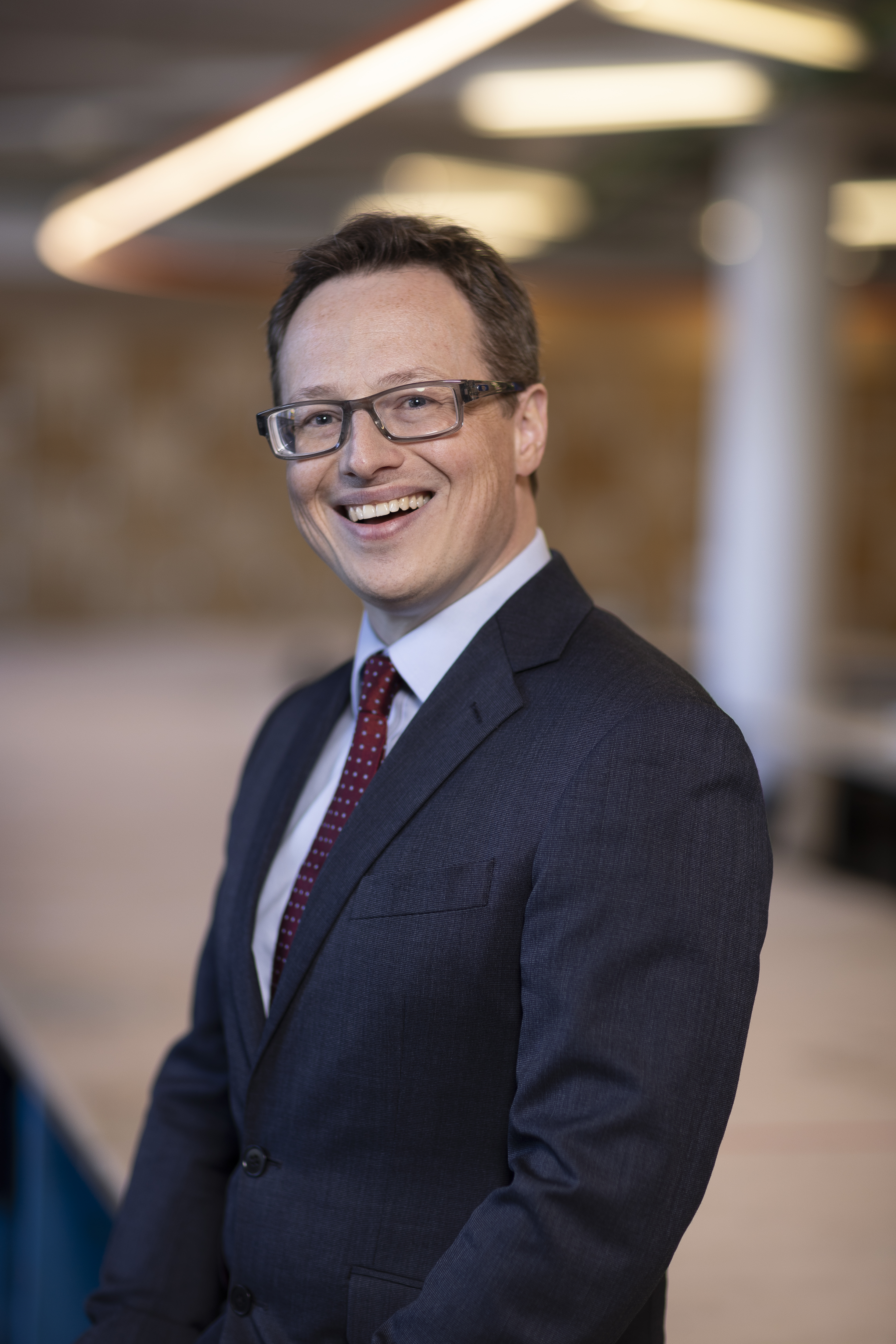
Manual Name : Professor Thomas Astell-Burt
Manual Description : Project lead
Manual Address :
Manual Addition Info Title :
Manual Addition Info Content :
Profile image : /content/dam/corporate/images/architecture/staff-images/professor-thomas-astell-burt.jpg
Manual Type : profile
_self
Auto Type : contact
Auto Addition Title :
Auto Addition Content :
Auto Name : true
Auto Position : true
Auto Profile image :
Auto Phone Number : false
Auto Mobile Number : true
Auto Email Address : true
Auto Address : false
UUID :
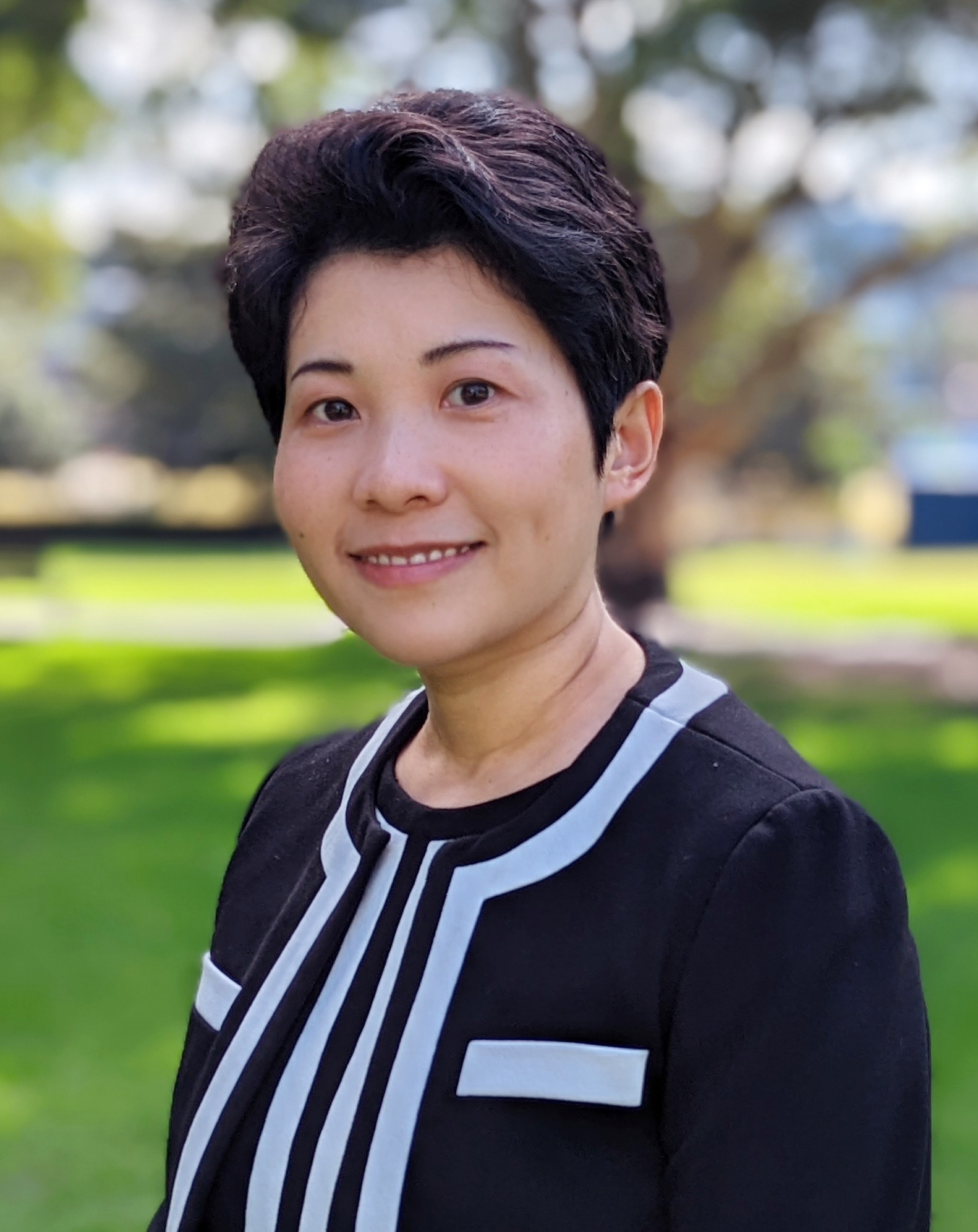
Manual Name : Professor Xiaoqi Feng
Manual Description : Project lead
Manual Address :
Manual Addition Info Title :
Manual Addition Info Content :
Profile image : /content/dam/corporate/images/architecture/staff-images/professor-xiaoqi-feng_2023.jpeg
Manual Type : profile
_self
Auto Type : contact
Auto Addition Title :
Auto Addition Content :
Auto Name : true
Auto Position : true
Auto Profile image :
Auto Phone Number : false
Auto Mobile Number : true
Auto Email Address : true
Auto Address : false
UUID :