
Dr Anastasia Globa, from the School of Architecture, Design and Planning, is leading work in multi-sensory extended reality (XR) simulations that move beyond traditional visualisation tools. Her research is transforming how architects, planners, and communities experience and shape the built environment.
“We’re not just building digital models; we’re creating interactive environments that respond to the human body and mind,” said Dr Globa.
“This allows designers and stakeholders to test and improve spaces before they’re built, making them more inclusive, responsive, and supportive of human experience from the very beginning.”
What if we could experience a space before it’s built—not just see it, but actually feel it?
Using XR, Dr Globa and her team are developing immersive simulations that replicate not only how a space looks, but also how it feels through temperature, touch, spatial sound, and even smell.
The project integrates biometric and brain activity tracking—including heart rate, skin response, and eye movement—to capture emotional and physical reactions in real time.
“Our XR simulations show that it’s now possible to digitally recreate these sensations in virtual environments,” Dr Globa explained.
“The key takeaway is clear: we can and should revolutionise the way we design built environments by making them truly multi-sensory. This approach doesn’t just improve design, it makes spaces healthier, more inclusive, and more human.”
Insights across cultures and contexts
The team’s findings reveal notable cultural and personal differences in how people respond to sensory experiences.
“What stood out most was how differently people responded to sensory experiences in our XR simulations, especially across cultural backgrounds,” Dr Globa said.
“For example, participants from Asian regions were less comfortable in bright, sunny semi-outdoor environments compared to Australian cohorts, who generally found them pleasant.”
Other discoveries highlighted the role of smell, with some participants reacting strongly to certain scents while others barely noticed them. These insights show how multi-sensory design can support spaces that reflect the diverse needs of communities.
Multi-sensory XR can play a transformative role in improving public spaces, supporting diverse stakeholder needs, enhancing accessibility, and promoting wellbeing, particularly in areas like aged care, rehabilitation, and public engagement.
Dr Anastasia Globa
Project Lead and Senior Lecturer in Computational Design and Advanced Manufacturing (Architecture)
Applications beyond architecture
While the built environment is central to the research, its applications extend far beyond.
“Our work expands the boundaries of XR by demonstrating that immersive technologies can and should engage the full spectrum of human senses,” Dr Globa said. “What’s exciting is how these insights are already translating into other domains.”
The team is applying their findings to fields ranging from autonomous vehicle design, where immersive feedback could improve safety and trust, to social XR for older adults, helping reduce isolation and build emotional connection.
Other applications include bushfire simulations, immersive data visualisation, and historic reconstructions such as the construction process of the Sydney Opera House.
Partnerships and collaboration
As part of this project Dr Globa worked with Mott MacDonald to explore how XR could support digital workflows in the renovation of the University’s F10 New Law Building and the Chau Chak Wing Museum on the design of Augmented Reality applications for museum exhibitions.
Looking ahead, Dr Globa sees strong potential for collaboration with government, community organisations, and the health sector.
“Multi-sensory XR can play a transformative role in improving public spaces, supporting diverse stakeholder needs, enhancing accessibility, and promoting wellbeing, particularly in areas like aged care, rehabilitation, and public engagement,” she said.
Building a human-centred future
For Dr Globa, the goal of her research is to shape environments that support wellbeing and inclusivity through immersive, evidence-based design.
“By grounding XR design in real human responses, measured through biometric and cognitive data, we’re helping to shape a future where immersive technologies are not only more realistic but also more empathetic, inclusive, and impactful,” she said.
This research demonstrates the University of Sydney’s capability in advancing XR and human-computer interaction—transforming not only the spaces we build, but how we experience them.
Our researchers
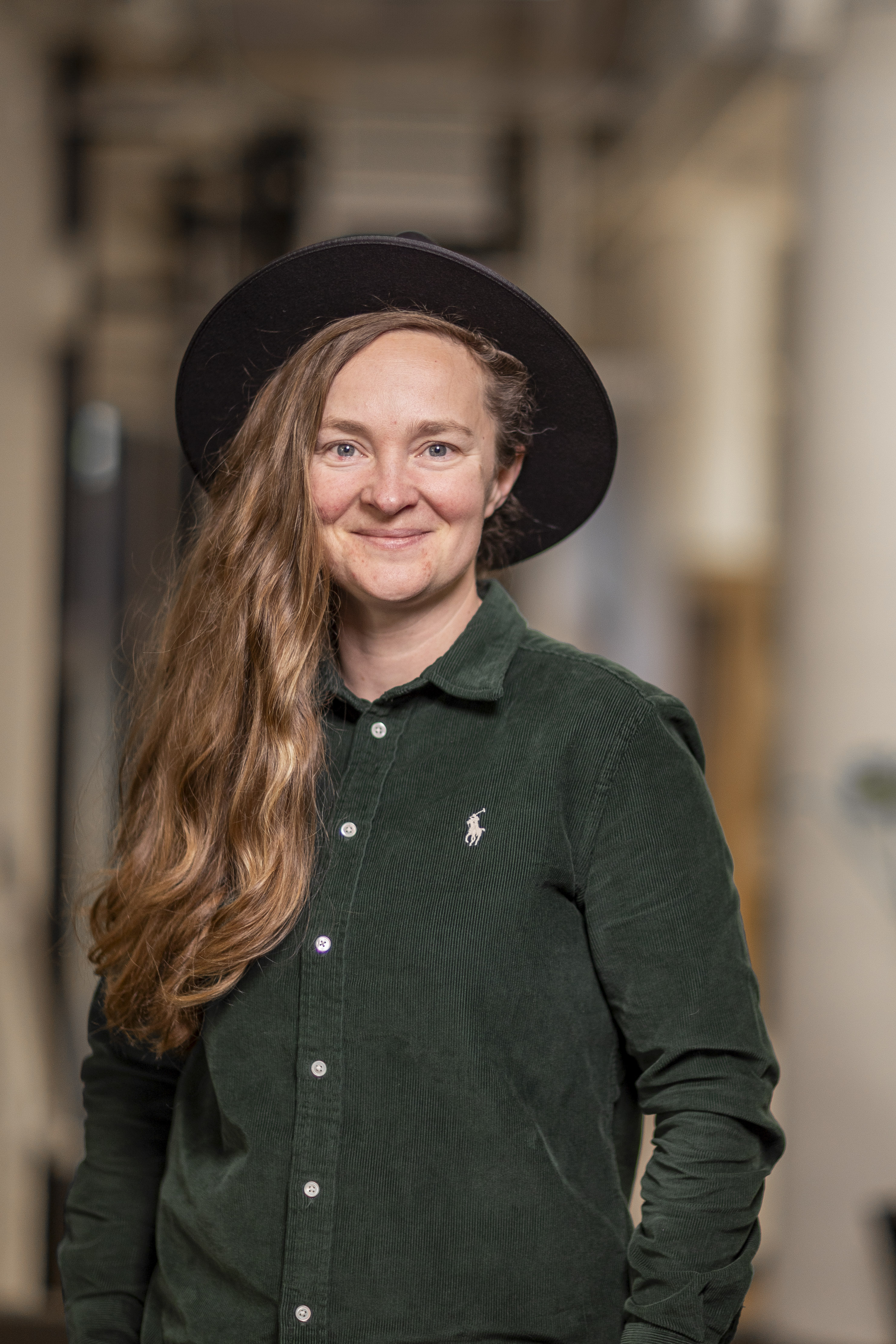
Manual Name : Dr Anastasia Globa
Manual Description :
Manual Address :
Manual Addition Info Title :
Manual Addition Info Content :
Profile image : /content/dam/people/anastasia-globa.jpg
Manual Type : profile
_self
Auto Type : contact
Auto Addition Title :
Auto Addition Content :
Auto Name : true
Auto Position : true
Auto Profile image :
Auto Phone Number : false
Auto Mobile Number : true
Auto Email Address : true
Auto Address : false
UUID :
Manual Name : Dr Ozgur Gocer
Manual Description :
Manual Address :
Manual Addition Info Title :
Manual Addition Info Content :
Profile image : /content/dam/faculty-and-school-restricted-use-images/sydney-school-of-architecture-design-and-planning/research/research-projects/dr-ozgur-gocer.jpeg
Manual Type : profile
_self
Auto Type : contact
Auto Addition Title :
Auto Addition Content :
Auto Name : true
Auto Position : true
Auto Profile image :
Auto Phone Number : false
Auto Mobile Number : true
Auto Email Address : true
Auto Address : false
UUID :
Manual Name : Dr Arianna Brambilla
Manual Description :
Manual Address :
Manual Addition Info Title :
Manual Addition Info Content :
Profile image : /content/dam/corporate/images/henry-halloran-trust/climate-change,-place-and-mental-health-incubator-researchers/chief-investigators/arianna-brambilla.png
Manual Type : profile

_self
Auto Type : contact
Auto Addition Title :
Auto Addition Content :
Auto Name : true
Auto Position : true
Auto Profile image :
Auto Phone Number : false
Auto Mobile Number : true
Auto Email Address : true
Auto Address : false
UUID :
Manual Name : Professor Emeritus Richard de Dear
Manual Description :
Manual Address :
Manual Addition Info Title :
Manual Addition Info Content :
Profile image : /content/dam/people/2018/richard-de-dear.png
Manual Type : profile
_self
Auto Type : contact
Auto Addition Title :
Auto Addition Content :
Auto Name : true
Auto Position : true
Auto Profile image :
Auto Phone Number : false
Auto Mobile Number : true
Auto Email Address : true
Auto Address : false
UUID :
Manual Name : Dr Callum Parker
Manual Description :
Manual Address :
Manual Addition Info Title :
Manual Addition Info Content :
Profile image : /content/dam/faculty-and-school-restricted-use-images/sydney-school-of-architecture-design-and-planning/research/research-projects/callum-parker.jpeg
Manual Type : profile
_self
Auto Type : contact
Auto Addition Title :
Auto Addition Content :
Auto Name : true
Auto Position : true
Auto Profile image :
Auto Phone Number : false
Auto Mobile Number : true
Auto Email Address : true
Auto Address : false
UUID :
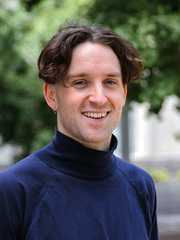
Manual Name : Dr Thomas Parkinson
Manual Description :
Manual Address :
Manual Addition Info Title :
Manual Addition Info Content :
Profile image : /content/dam/corporate/images/architecture/research/dr-thomas-parkinson.jpeg
Manual Type : profile
_self
Auto Type : contact
Auto Addition Title :
Auto Addition Content :
Auto Name : true
Auto Position : true
Auto Profile image :
Auto Phone Number : false
Auto Mobile Number : true
Auto Email Address : true
Auto Address : false
UUID :
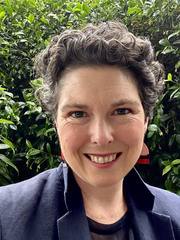
Manual Name : Dr Rebecca McLaughlan
Manual Description :
Manual Address :
Manual Addition Info Title :
Manual Addition Info Content :
Profile image : /content/dam/faculty-and-school-restricted-use-images/sydney-school-of-architecture-design-and-planning/research/research-projects/rebecca-mclaughlan.jpeg
Manual Type : profile
_self
Auto Type : contact
Auto Addition Title :
Auto Addition Content :
Auto Name : true
Auto Position : true
Auto Profile image :
Auto Phone Number : false
Auto Mobile Number : true
Auto Email Address : true
Auto Address : false
UUID :
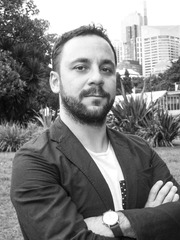
Manual Name : Dr Paolo Stracchi
Manual Description :
Manual Address :
Manual Addition Info Title :
Manual Addition Info Content :
Profile image : /content/dam/people/2020/paolo-stracchi.jpeg
Manual Type : profile
_self
Auto Type : contact
Auto Addition Title :
Auto Addition Content :
Auto Name : true
Auto Position : true
Auto Profile image :
Auto Phone Number : false
Auto Mobile Number : true
Auto Email Address : true
Auto Address : false
UUID :