
Professor Marcus Carter, from the School of Architecture, Design and Planning, is leading research in human-computer interaction. His work explores the ethical, social and inclusive challenges of emerging technologies, particularly immersive technologies like virtual reality (VR).
From game studies to ethics in virtual reality
Professor Carter’s research career began in digital culture and game studies, investigating how online games such as EVE Online, DayZ and Candy Crush Saga shape human behaviour, community, and value systems. These studies shaped his broader research interests of power, participation and play in interactive environments.
Today, his work extends far beyond gaming. As an ARC Future Fellow, Professor Carter leads project s including the proactive harm prevention for virtual and augmented reality technologies and the monetisation of children in the digital games industry.
His research bridges critical theory and practical design, with a critical assessment of immersive technologies to mitigate social harm.
What we need to know about VR risks and opportunities
In his new book, Fantasies of Virtual Reality, Professor Carter and co-author Dr Ben Egliston, offer an acute lens of VR across various industries, from gaming and human resources to the police force and military.
“The intent of the book is to provide a critical primer about what VR is today,” says Professor Carter. “It’s about understanding what these technologies can do as they become more deeply embedded in our lives.”
Dr Egliston adds that while VR has been hailed as a transformative force in education, work and even empathy-building, their research cautions against inflated expectations.
“By better understanding both the benefits and potential negative impacts of VR on users, technology designers and developers can more effectively identify the opportunities and limitations of this technology — informing more ethical, inclusive and human-centred design,” he says.
“As VR continues to move from the lab into everyday life, it’s crucial that designers consider not just what these technologies can do, but what they should do,” adds Professor Carter. “Our goal is to equip industry with the critical tools to anticipate and mitigate harm before it happens.”
This research highlights the importance of examining emerging technologies with a critical eye and challenging assumptions to shape a more thoughtful, inclusive and sustainable future for immersive media.
As VR continues to move from the lab into everyday life, it’s crucial that designers consider not just what these technologies can do, but what they should do. Our goal is to equip industry with the critical tools to anticipate and mitigate harm before it happens.
Professor Marcus Carter
Professor in Human Computer Interaction and Australian Research Council Future Fellow
Partnering with industry to guide responsible VR innovation
Professor Carter and Dr Egliston have been working with major industry partners to develop a critical understanding of how VR is used and experienced.
“Our research team has received support from Meta on VR and disability, and from TikTok on social VR,” said Professor Carter.
Industry collaboration enables researchers to tackle pressing issues such as privacy, accessibility and harm prevention, while informing policy and industry practices.
Research translation into real world impact
A distinctive aspect of Fantasies of Virtual Reality is its accessibility for a public audience. The book is written for readers from all backgrounds, providing a clear and engaging guide to what immersive technologies are and what they might become.
“Our goal is to equip industry, policymakers, and the public with critical tools to anticipate and mitigate harm before it happens,” says Professor Carter.
This accessible approach translates complex research into real-world insight, empowering designers, developers, and users alike to shape technologies that enrich rather than exploit.
Photo credit: NASA and Ames Research Center Image Library
Our researchers
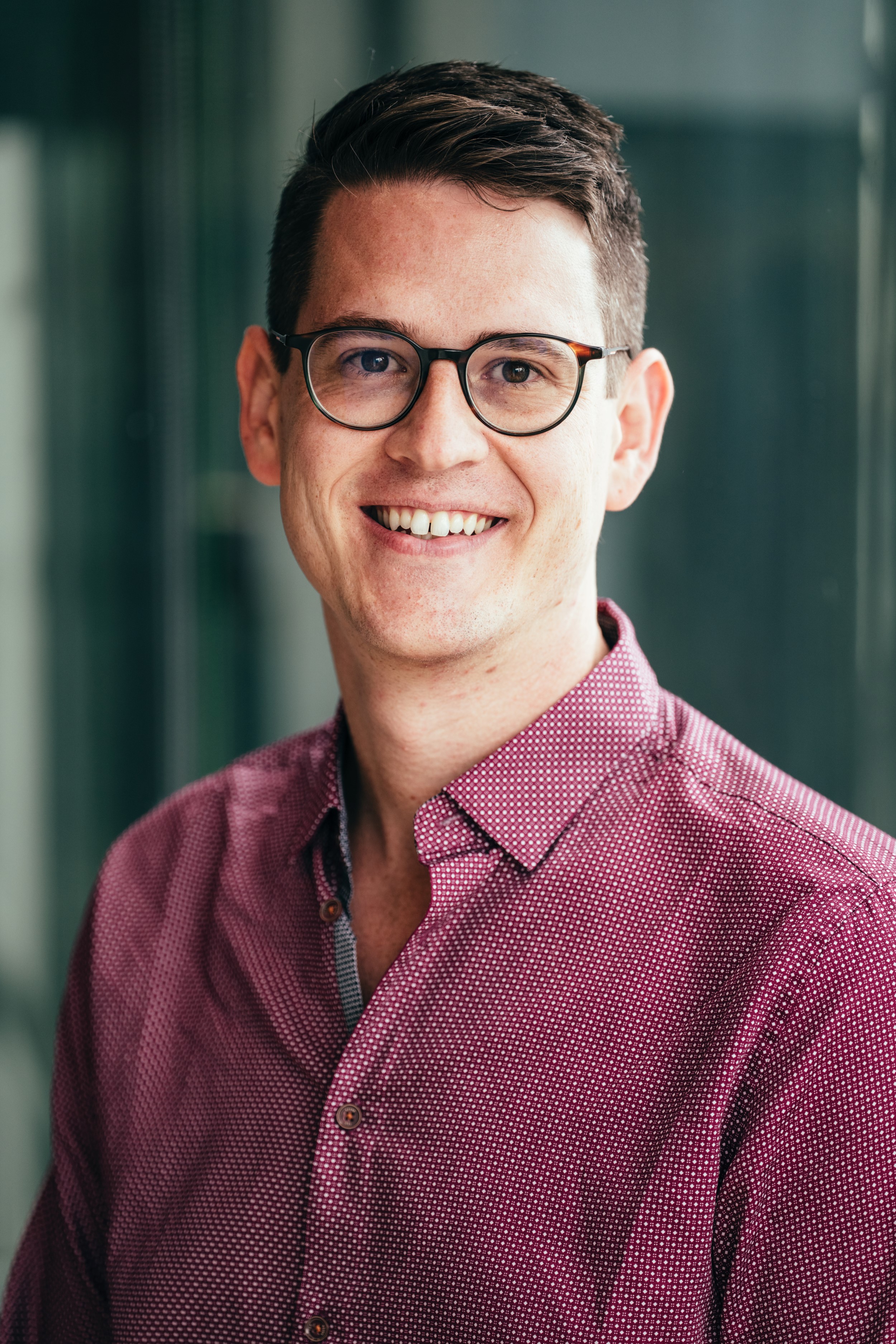
Manual Name : Professor Marcus Carter
Manual Description : Professor in Human Computer Interaction and Australian Research Council Future Fellow
Manual Address :
Manual Addition Info Title :
Manual Addition Info Content :
Profile image : /content/dam/people/alumni/marcus-carter.jpg
Manual Type : profile
_self
Auto Type : contact
Auto Addition Title :
Auto Addition Content :
Auto Name : true
Auto Position : true
Auto Profile image :
Auto Phone Number : false
Auto Mobile Number : true
Auto Email Address : true
Auto Address : false
UUID :
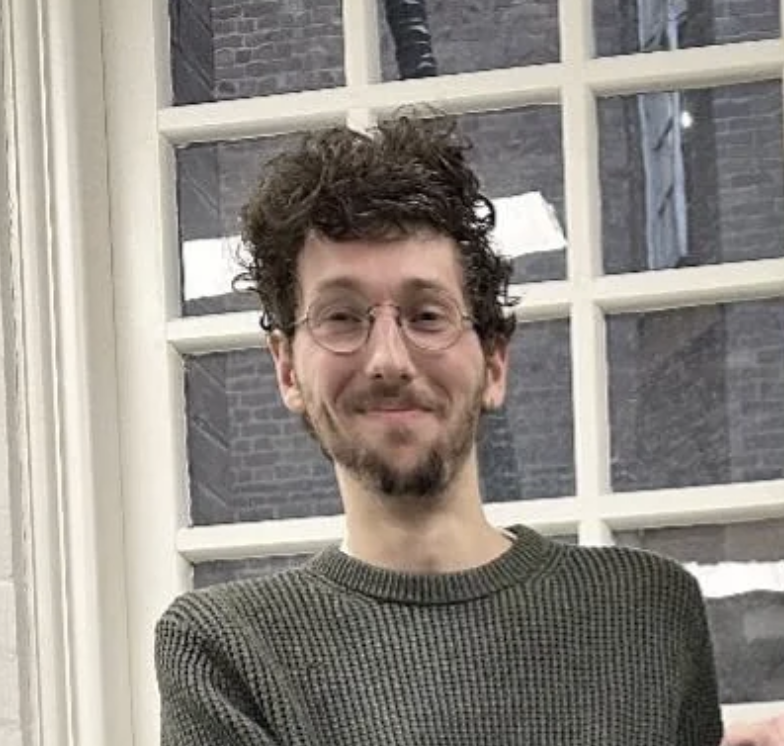
Manual Name : Dr Ben Egliston
Manual Description : Senior Lecturer in Digital Cultures and ARC DECRA Fellow
Manual Address :
Manual Addition Info Title :
Manual Addition Info Content :
Profile image : /content/dam/faculty-and-school-restricted-use-images/sydney-school-of-architecture-design-and-planning/about-the-school/staff/ben-egliston.png
Manual Type : profile
_self
Auto Type : contact
Auto Addition Title :
Auto Addition Content :
Auto Name : true
Auto Position : true
Auto Profile image :
Auto Phone Number : false
Auto Mobile Number : true
Auto Email Address : true
Auto Address : false
UUID :