
Associate Professor Naseem Ahmadpour from the School of Architecture, Design and Planning is leading research into how extended reality (XR) can improve human experience while upholding ethical and human-centered design principles.
As a human–computer interaction researcher, she investigates how technology interacts with social, cultural, and economic drivers to design extended reality experience that will positively impact people’s daily lives.
Enhancing care through XR
Associate Professor Ahmadpour and her team have been working with patients, families and healthcare professionals to transform care experiences in Chris O’Brien Lifehouse, and Greenwich Hospital.
Using co-design, the team have created ‘maker spaces’—environments blending physical and virtual experiences—designed to reduce stress, foster social connection, and provide opportunities for learning and play.
The ‘maker spaces’ have been created for the Children’s Hospital at Westmead findings. Empirical evidence from her research found that:
- Children and adolescents benefit from immersive experiences that shift focus from stressors and social engagement during hospital stays.
- Patients undergoing cancer treatment report enrichment and emotional relief during infusion or waiting periods.
- In palliative care, XR enables connections with loved ones, revisiting meaningful places, or virtual travel to support emotional wellbeing.
In collaboration with Western Sydney Local Health District, the team have also been exploring XR for high-stakes clinical training, such as cardiac arrest resuscitation, demonstrating its potential in professional education and simulation.
We aim to provide a realistic picture of how immersive technologies can support people in work, learning and care settings, while respecting human experiences and values.
Associate Professor Naseem Ahmadpour
Associate Dean Research
Building on lived experience to design human-centred technologies
Co-design is critical to Associate Professor Ahmadpour’s research, ensuring immersive technologies are designed collaboratively with the people experiencing them firsthand.
“Immersive experiences can be incredibly positive, but they can also trigger trauma or discomfort. To create meaningful and safe XR experiences, we must involve everyone affected.”
Her research highlights the value of diverse perspectives in shaping effective tools for care. While clinical interventions are usually standardised, immersive technologies introduce emotional, social and memory-rich dimensions that influence how those interventions are experienced.
“Healthcare professionals like nurses, therapists, social workers and clinicians offer critical insights for our research, because they understand the realities of care delivery on the ground,” she said.
By centring the lived experiences of healthcare professionals, patients, and families throughout the design process, her work supports the development of XR technologies that genuinely enhance patient wellbeing.
Expanding XR to professional and everyday contexts
Beyond healthcare, Associate Professor Ahmadpour is investigating how tech manufacturers are positioning immersive technologies as tools to enrich everyday life, such as remote work
Using a combination of critical and ethnographic research, her team tests real-world scenarios to evaluate practical benefits and challenges, including social, emotional and workflow impacts.
“XR holds promise across multiple domains, but its integration must be grounded in evidence, co-design and ethical principles,” she said.
“We aim to provide a realistic picture of how immersive technologies can support people in work, learning and care settings, while respecting human experiences and values.”
Collaborating with industry and government
Immersive technologies inherently collect detailed user data, raising privacy and ethical considerations, particularly in healthcare and professional contexts.
This research highlights the need for collaboration between researchers, industry and government to ensure equitable, evidence-based and human-centred XR deployment.
Our research team
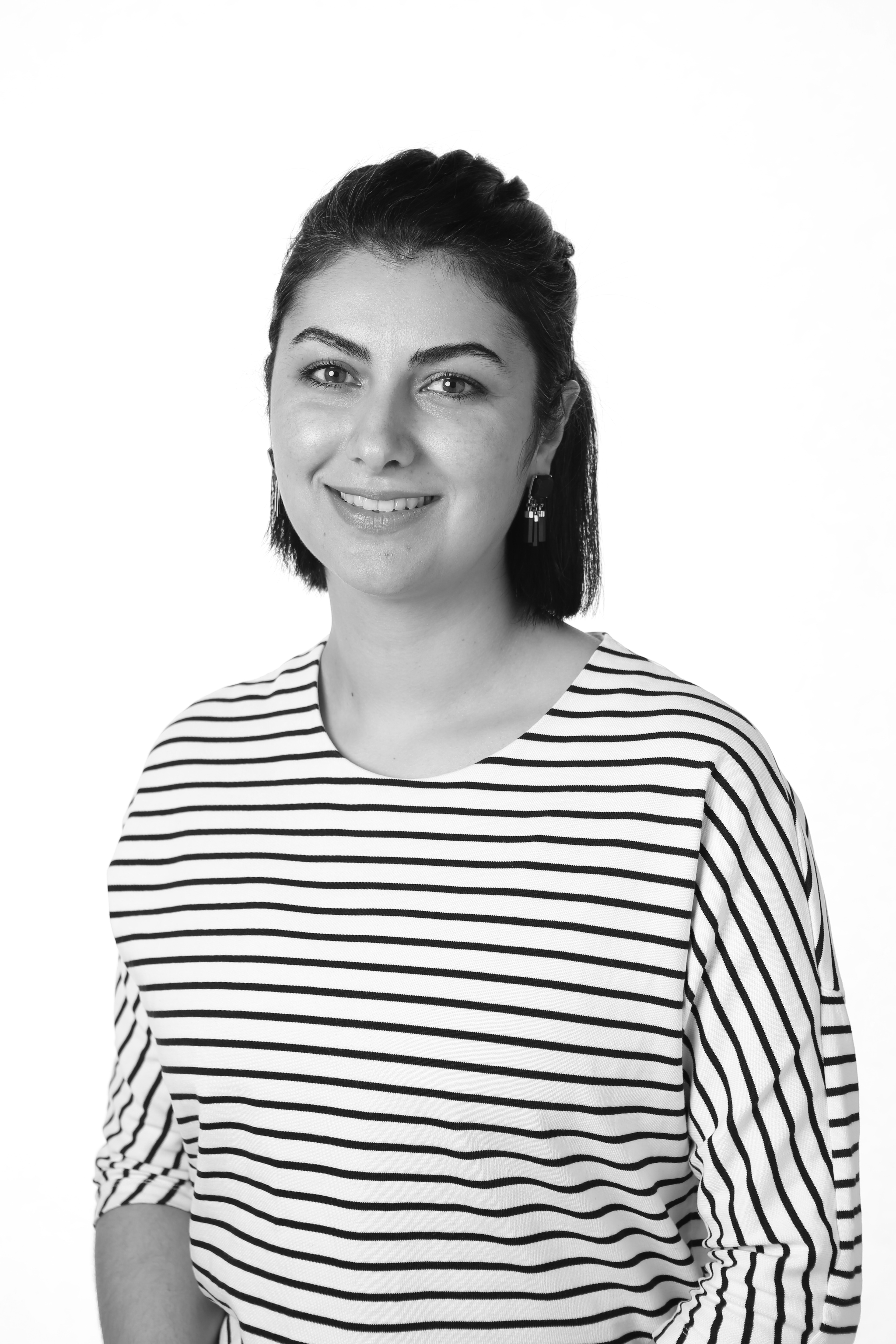
Manual Name : Associate Professor Naseem Ahmadpour
Manual Description : Associate Dean Research
Manual Address :
Manual Addition Info Title :
Manual Addition Info Content :
Profile image : /content/dam/intranet/images/news-initiatives/news/2017/october/Naseem Ahmadpour.jpg
Manual Type : profile
_self
Auto Type : contact
Auto Addition Title :
Auto Addition Content :
Auto Name : true
Auto Position : true
Auto Profile image :
Auto Phone Number : false
Auto Mobile Number : true
Auto Email Address : true
Auto Address : false
UUID :
Manual Name : Andrew Weatherall
Manual Description : Anaesthetist, prehospital specialist and researcher
Manual Address :
Manual Addition Info Title :
Manual Addition Info Content :
Profile image : /content/dam/intranet/images/science/about/profiles/blank-person-icon.jpg
Manual Type : profile

_self
Auto Type : contact
Auto Addition Title :
Auto Addition Content :
Auto Name : true
Auto Position : true
Auto Profile image :
Auto Phone Number : false
Auto Mobile Number : true
Auto Email Address : true
Auto Address : false
UUID :
Manual Name : Mr Nathan Moore
Manual Description : Clinical Senior Lecturer, School of Medical Sciences
Manual Address :
Manual Addition Info Title :
Manual Addition Info Content :
Profile image : /content/dam/intranet/images/science/about/profiles/blank-person-icon.jpg
Manual Type : profile
_self
Auto Type : contact
Auto Addition Title :
Auto Addition Content :
Auto Name : true
Auto Position : true
Auto Profile image :
Auto Phone Number : false
Auto Mobile Number : true
Auto Email Address : true
Auto Address : false
UUID :
Manual Name : Dr Anna Janssen
Manual Description : Health Technologist, Faculty of Health Sciences
Manual Address :
Manual Addition Info Title :
Manual Addition Info Content :
Profile image : /content/dam/intranet/images/science/about/profiles/blank-person-icon.jpg
Manual Type : profile
_self
Auto Type : contact
Auto Addition Title :
Auto Addition Content :
Auto Name : true
Auto Position : true
Auto Profile image :
Auto Phone Number : false
Auto Mobile Number : true
Auto Email Address : true
Auto Address : false
UUID :
Manual Name : Dr Phillip Gough
Manual Description : Senior Lecturer in Design
Manual Address :
Manual Addition Info Title :
Manual Addition Info Content :
Profile image : /content/dam/faculty-and-school-restricted-use-images/sydney-school-of-architecture-design-and-planning/about-the-school/staff/phillip-gough.jpeg
Manual Type : profile
_self
Auto Type : contact
Auto Addition Title :
Auto Addition Content :
Auto Name : true
Auto Position : true
Auto Profile image :
Auto Phone Number : false
Auto Mobile Number : true
Auto Email Address : true
Auto Address : false
UUID :