
World Diabetes Day 2025
The United Nations World Diabetes Day (WDD) is marked annually on 14 November, the birthday of Sir Frederick Banting who with Charles Best discovered insulin in 1921. WDD is the largest diabetes awareness campaign in the world reaching over 1 billion people globally. It raises attention of the escalating health crisis, in the public and political arenas.
The Charles Perkins Centre’s mission focuses on obesity, cardiovascular disease and diabetes and their related conditions and is at the vanguard of research, clinical and lived experience impact. Our research themes and nodes bring together our global leaders with multidisciplinary expertise to design and implement collaborative solutions for people with living with diabetes.
World Diabetes Day provides an opportunity to raise awareness about diabetes as a critical global public health issue.
Our work spans the spectrum from improving current therapies, to finding a cure for those living with the condition, to preventing diabetes altogether. Here we showcase just some of the world-leading diabetes research underway at the Charles Perkins Centre.

Dr Kirstine Bell
NHMRC Emerging Leadership Fellow & Principal Investigator on the Australian Type 1 Diabetes National Screening Pilot | Co-Lead of the CPC Type 1 Diabetes Node.
“As a type 1 diabetes researcher, World Diabetes Day is a call to act: to know more, do more, and ensure everyone has the opportunity to prevent or manage their diabetes well. My research vision is for a national screening program to detect type 1 diabetes in its earliest stages — before symptoms develop and insulin is needed — so we can prevent devastating complications and intervene early with therapies that may one day mean people never need insulin at all.”
World Diabetes Day is a call to act, to know more, do more, and ensure everyone can prevent or manage diabetes well. As a type 1 diabetes researcher, my vision is a national screening program to detect type 1 diabetes before symptoms develop and insulin is needed, preventing complications and paving the way for therapies that may one day remove the need for insulin altogether. The Type 1 Diabetes National Screening Pilot Program – Australia’s first population screening initiative – recruited 6,700 children nationwide and showed that large-scale screening is feasible, acceptable, and cost-effective. The study tested multiple real-world models, from maternity hospital and primary care recruitment to home testing. Building on this success, the upcoming DeteCT1D trial will screen 150,000 primary school children for type 1 diabetes and coeliac disease, using linked health data to evaluate long-term outcomes from 2026.

Professor Maria Craig
Endocrinologist, Children’s Hospital at Westmead | Professor of Paediatric Endocrinology, The University of Sydney | Academic Co-director Charles Perkins Centre Westmead | Member, CPC Type 1 diabetes node
“I have been passionate about type 1 diabetes since my medical student days in the 1980s when I went on a diabetes camp as a volunteer. So much has changed since then. I have seen and contributed to incredible changes in the care of people with type 1 diabetes, especially children and adolescents. In this century there have been major advances in technology – insulin pumps and continuous glucose monitoring (CGM) that have improved the lives of people with type 1 diabetes, particularly since CGM was funded by the federal government in 2017.”
Professor Craig is actively involved in type 1 diabetes research as the NSW lead investigator for the nationwide ENDIA pregnancy, the population screening pilot, and Type1Screen. She serves on the steering committee for Accelerating Immunotherapy Treatment for Type 1 Diabetes. These collaborative initiatives, led by outstanding Australian researchers, are advancing our ability to predict and prevent type 1 diabetes. It is deeply rewarding for Professor Craig to reconnect with parents who she once cared for as children and adolescents in the diabetes clinic, now participating in these studies with their own children.
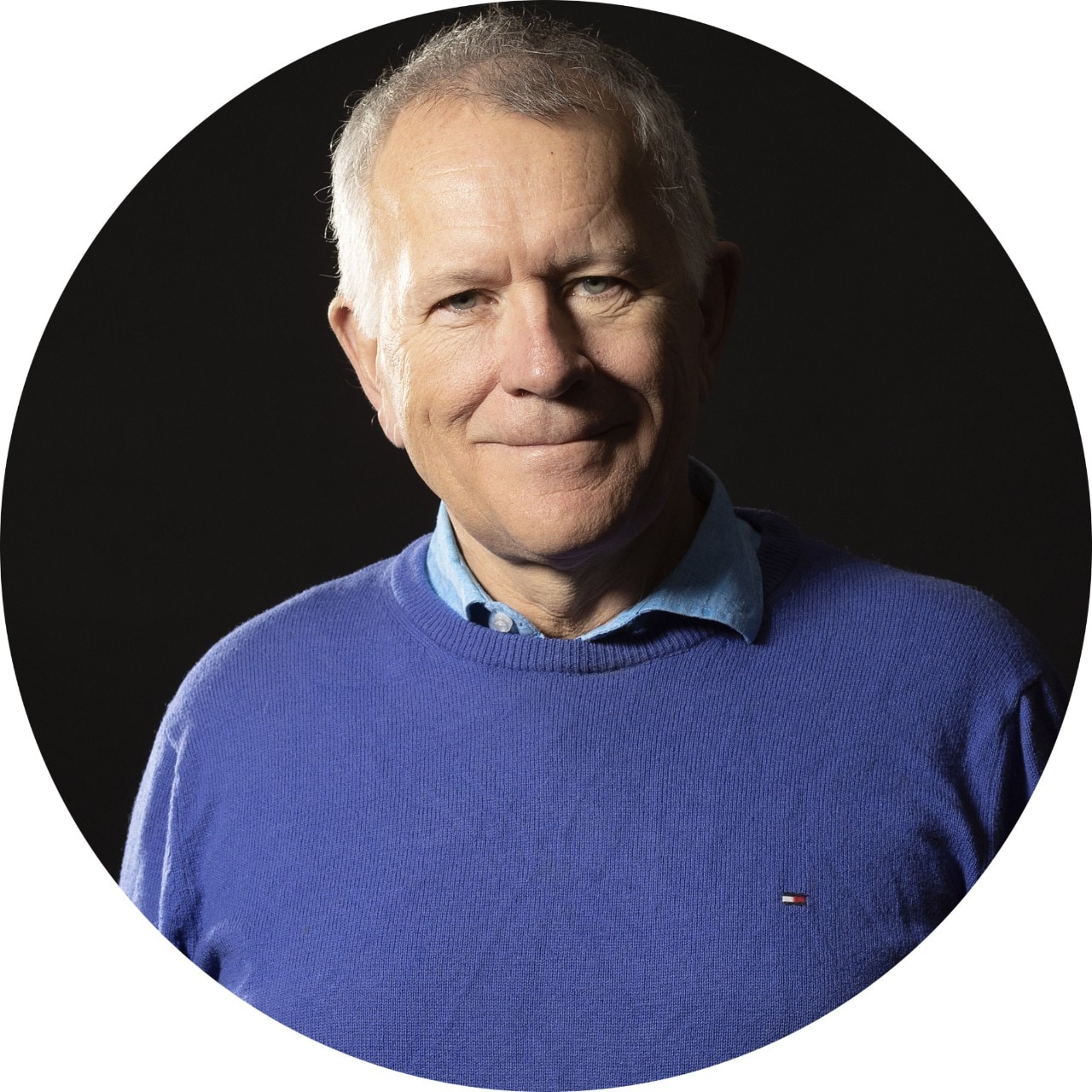
Professor David James
Joint Interim Academic Co-Director, Charles Perkins Centre, The University of Sydney | Head, Metabolic Systems Biology Laboratory | Fellow of the Australian Academy of Science.
“World Diabetes Day is a reminder that diabetes is not a single disease but the outcome of complex interactions between our genes, metabolism, and environment. As researchers, our task is to uncover these mechanisms so we can predict, prevent, and ultimately reverse metabolic dysfunction. My vision is a future where precision approaches, grounded in discovery science, enable people to live free of diabetes and its complications.”
Professor James’s laboratory, James Lab, investigates how genetic diversity and environmental exposures combine to influence insulin action and metabolic health. Using advanced mouse genetics (the Diversity Outbred Australia cohort), multi-omics profiling, and machine-learning models of glucose–insulin dynamics, his team works to identify molecular pathways and “health genes” that protect against cardiometabolic disease. Current translational programs include projects that aim to redefine how we understand and manage diabetes, moving from one-size-fits-all treatments to mechanism-based prevention and care:
- predictive modelling of insulin responsiveness from routine oral glucose tolerance tests to guide precision treatment in type 2 diabetes
- genetic mapping of adipose, kidney and hepatic insulin resistance to reveal causal genes underlying obesity and fatty-liver disease
- collaborations within the CPC and beyond to integrate human cohorts, systems biology, and clinical translation.
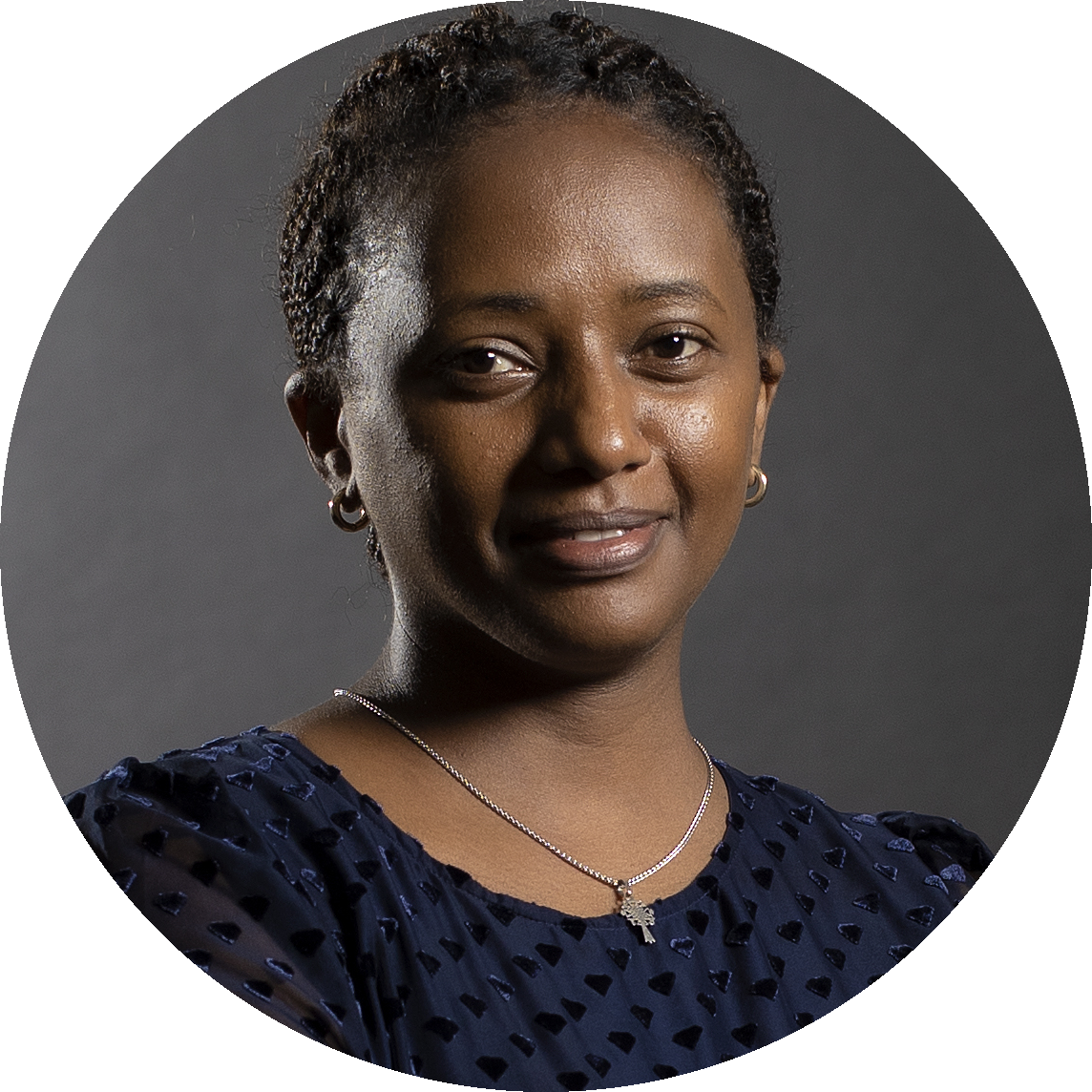
Associate Professor Melkam Kebede
Charles Perkins Centre | School of Medical Sciences, Faculty of Medicine and Health | Member, CPC Type 1 diabetes node
“World Diabetes Day is an important reminder of the global impact of diabetes and the urgent need to advance research, advocacy, and innovation. Recognising diabetes across life stages highlights the need for approaches that support individuals from childhood through older age, ensuring equitable care and improved outcomes for all.”
Associate Professor Kebede’s research focuses on understanding the cellular mechanisms that regulate insulin secretion and beta-cell function, with the aim of identifying novel therapeutic targets for type 1 and type 2 diabetes.

Dr Arianne Sweeting
Maternal Metabolic Health Lead, Endocrinology | Central Clinical School, Faculty of Medicine and Health, The University of Sydney | WHO Physical Activity, Nutrition & Obesity Collaborating Centre I Boden Initiative, Charles Perkins Centre
“WHO is launching their first Hyperglycaemia in Pregnancy management guidelines for WDD. Professor Emeritus and diabetes researcher Stephen Colagiuri co-chaired the guideline development group and I was involved as an external expert and evidence synthesis team lead. The first ever WHO Diabetes in Pregnancy Management Guidelines are being released on World Diabetes Day, with our researchers taking a leading role in their development. I’m very proud to have played a central role I've had leading high impact consensus guidelines that have international expert involvement, using the best practice, rapidly evolving evidence to improve and promote best care for women with diabetes in pregnancy and their babies.”
Dr Sweeting co-led the 2025 Australasian Diabetes in Pregnancy Society Consensus Recommendations on the screening and diagnosis of gestational diabetes published in Medical Journal of Australia in June (the first in over a decade and the first to gain national consensus) and co-led the international Technology in Diabetes Pregnancy Consensus Recommendations that have just been accepted by Lancet Diabetes & Endocrinology.