
When Professor Michelle Dickson (PhD '19) and her colleagues wanted to find out more about the social and emotional wellbeing of Aboriginal and Torres Strait Islander people, they conducted a series of 'yarning circles' involving Aboriginal and Torres Strait Islander participants from across Australia. The result is the pioneering What Matters 2 Adults (WM2A) wellbeing measure.
"We asked questions including 'What creates a sense of wellbeing?' And 'What does wellbeing mean for you?'" Michelle explains. The responses received enabled the team to identify 32 significant factors that they classified into 10 key domains: balance and control; hope and resilience; caring for others; culture and country; spirit and identity; feeling valued; connection with others; access; racism and worries; pride and strength. "We then worked closely with statisticians and health economists to further refine the tool from a psychometric perspective," she says.
A proud Darkinjung/Ngarigo woman, Michelle is the Director of the Poche Centre for Indigenous Health, a flagship research centre in the Faculty of Medicine and Health, committed to addressing health inequities, by positioning Aboriginal and Torres Strait Islander voices at the centre of its research.
With a 52 percent increase in hospitalisations for First Nations people due to mental health-related conditions between 2009–10 and 2018–191, along with a suicide rate that’s significantly higher than that of the non-Aboriginal population2, the answers to the questions Michelle's team asked are critical.
"Many Aboriginal and Torres Strait Islander people express frustration with long waitlists and a lack of culturally responsive care and are turning to emergency departments that often also have similar challenges," she says.
"When I approach my research I leave my professorship at home," Michelle says. "It's important for people to know me as a mother, grandmother, colleague, friend. I think, 'Approach the person first, not the research first'– that’s why we've had really good interest in our collaborations."
Believed to be the first national measure of Aboriginal and Torres Strait Islander wellbeing developed in this way, the wellbeing tool is already being used in several NSW Local Health Districts, thanks to a National Health and Medical Research Council grant.
"We're working with Aboriginal and Torres Strait Islander cancer services to embed the tool into their everyday practice," Michelle says. "It can flag if someone feels disconnected from family, culture, or Country, prompting clinicians to explore ways to enhance their wellbeing."
This success has led to funding for research with children and young people. "We asked them to take photographs of things that enhance their wellbeing," Michelle says. "The stories that came from young people about what contributes to their mental health were just so rich that we were able to work towards developing a culturally specific, psychometrically tested tool for young Aboriginal and Torres Strait Islander people. "Young people are very articulate about what works – they just need to be heard."
Several health districts have now used this research to advocate for additional funding and to improve policies.
"Some health services have been able to employ Aboriginal and Torres Strait Islander health workers, and it has transformed the way people receive health and wellbeing services," Michelle says.
Young people are very articulate about what works – they just need to be heard.
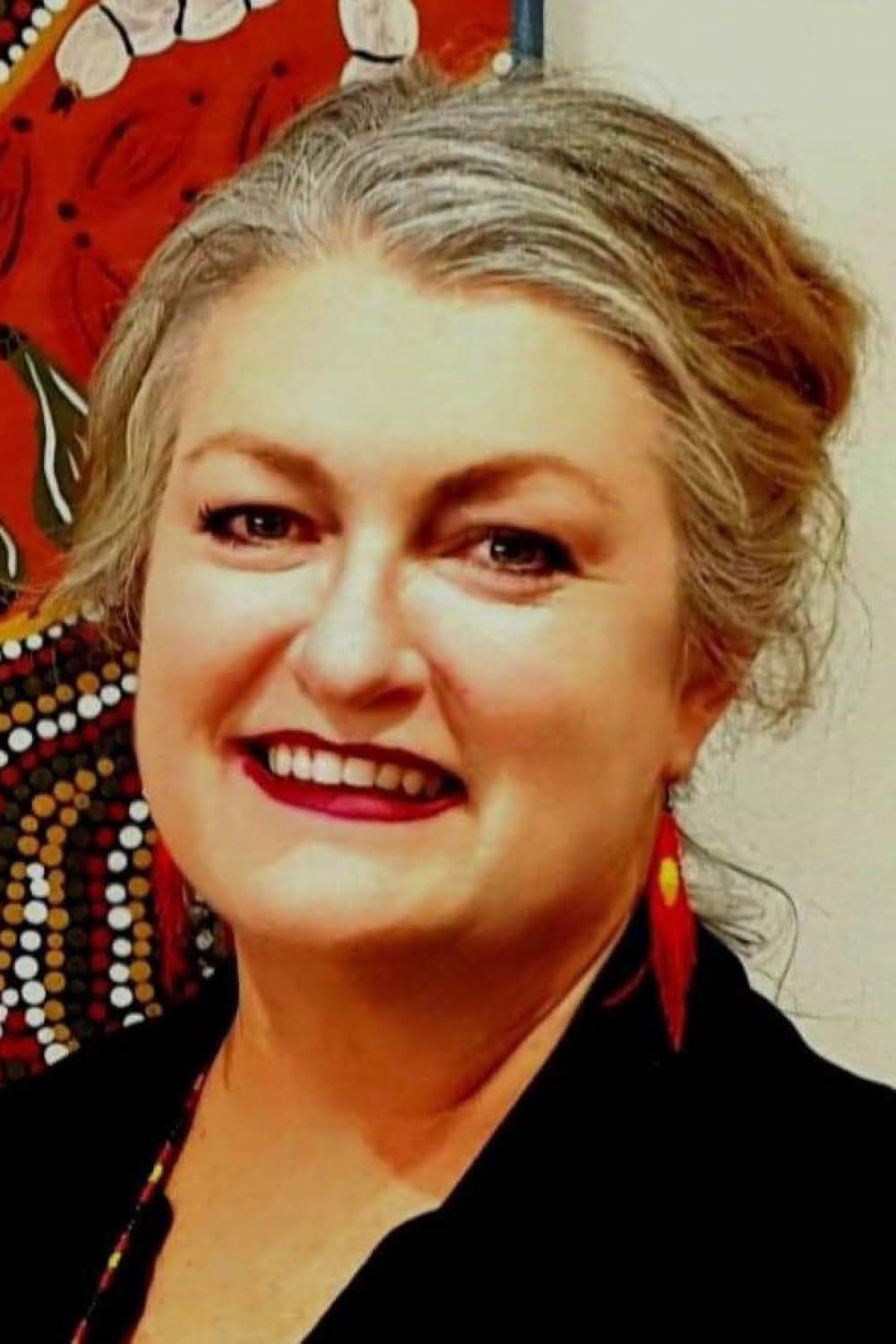
Professor Michelle Dickson
Michelle's academic journey began with an honours degree in literature; however, working with Aboriginal and Torres Strait Islander communities and in adult education sparked a desire to shift to the public health sector. This ultimately led her to a PhD, and then to academic research and teaching.
She recalls feeling isolated when she first started out a student. "I was the first in my family to finish school, so I didn't have anyone to ask what university was like."
Now, with over three decades of experience in public health, serving as Director of the Poche Centre and recently promoted to Professor, Michelle is leading the way in ensuring that Aboriginal and Torres Strait Islander knowledge is included in policy and practice.
Collaborating with communities, health providers and government, the Poche Centre addresses health inequities across mental health, chronic disease, disability, food security, natural disaster preparedness.
"Doing things well in research can be as simple as a cultural check-in prior to planning to ensure Aboriginal and Torres Strait Islander perspectives are put first, included and respected," Michelle says, "or partnering with organisations to open doors for funding or to evaluate health programs."
Having led the University's Graduate Diploma in Indigenous Health Promotion for 10 years, Michelle has also made a significant contribution to the growth of Aboriginal and Torres Strait Islander health professionals in the sector.
"A career highlight is seeing so many University of Sydney graduates presenting at conferences," she says. "I feel privileged to have played some tiny role. It's important, because our mob is often the minority in the room. When I started, it was just me at the School of Public Health, so with student and staff numbers growing, it's a powerful thing to witness."
Michelle believes all Australians should learn more about Aboriginal and Torres Strait Islander knowledge and their health challenges. "The more we embrace other ways of seeing the world, the easier it becomes to navigate these spaces."
She also encourages businesses to create employment or scholarship opportunities: "It's about the profound impact small actions have on someone’s life and their community."
"I was determined to go to university – even though my careers advisor questioned it," Michelle reveals. "It felt awkward and foreign at first. But now, my sister, her children and mine are pursuing higher education. When one person experiences uplift, it has a ripple effect that transforms lives. Sometimes it's all about having someone bravely step into a space that feels a bit vulnerable at first. Once that step is taken, the paths open up."
Manual Name : Professor Michelle Dickson
Manual Description : Director, The Poche Centre for Indigenous Health
Manual Address :
Manual Addition Info Title :
Manual Addition Info Content :
Profile image : /content/dam/corporate/images/medicine-and-health/news-and-events/2022/october/international-womens-day-associate-professor-michelle-dickson.jpg
Manual Type : profile
_self
Auto Type : contact
Auto Addition Title :
Auto Addition Content :
Auto Name : true
Auto Position : true
Auto Profile image :
Auto Phone Number : false
Auto Mobile Number : true
Auto Email Address : true
Auto Address : false
UUID :