
Dexamphetamine and methylphenidate have been found to be equally effective in the treatment of ADHD in children, but greater weight loss was observed in children taking dexamphetamine, according to an Australian study published in the Journal of Paediatrics and Child Health.
Led and conducted by the University of Sydney and Nepean Blue Mountains Local Health District, the open-label randomised controlled trial involved 100 children diagnosed with ADHD who had not previously been treated with either drug. It is one of the few head-to-head comparisons of these medications worldwide to track children over a 12-month period using this study design.
It found that both groups experienced substantial improvements in ADHD symptoms during treatment, with no significant difference in effectiveness between the medications. Most children remained on their allocated treatment 12 months after randomised treatment was provided.
Children who were given dexamphetamine lost significantly more weight than children prescribed methylphenidate during the first three months of the 12-month treatment – an average loss of 1.4kg compared to 300 grams while taking methylphenidate. Despite the initial differences in weight loss, the study found no significant difference between medications on growth in height.
Lead author of the study, Senior Lecturer in Paediatrics and Child Health at the University of Sydney’s Nepean Clinical School and the Brain and Mind Centre, Dr Alison Poulton, said: “Both medications worked equally well for improving ADHD symptoms, and a year later most children were still taking their original stimulant, suggesting a comparable level of satisfaction with either medication.”
“The main difference was that children taking dexamphetamine experienced greater weight loss, which is an important consideration when choosing treatment and monitoring growth.”
The main difference was that children taking dexamphetamine experienced greater weight loss, which is an important consideration when choosing treatment and monitoring growth.
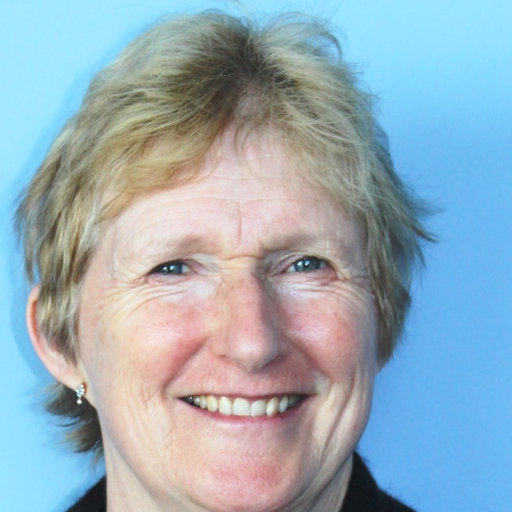
Dr Alison Poulton
Nepean Clinical School and the Brain and Mind Centre
ADHD at a glance
- Globally, it has been estimated that approximately 47 million children and young people under the age of 20 were living with ADHD in 2021, corresponding to an overall prevalence of 1.78 percent.
- In the United States, an estimated 11.7 percent of the population aged between 3-17 years of age have a current ADHD diagnosis.
- In Australia, ADHD prevalence among children is estimated at around 8.2 percent, according to the Australian Institute of Health and Welfare.
- Prescribing of medicines for the treatment of ADHD has been steadily increasing in Australia among both children and adults. Among those under 18, the number of people prescribed ADHD medicines was nearly two-and-a-half times higher in 2023 than in 2013.
Research
Poulton, A., A Randomised Open-Label Comparison of Dexamphetamine and Methylphenidate in Children With Attention Deficit Hyperactivity Disorder (ADHD): Symptom Response, Adherence and Weight Impact Over 12 Months (Journal of Paediatrics and Child Health).
DOI: 10.1111/jpc.70487
Declaration
The clinical trial was registered under the Australian New Zealand Clinical Trials Registry number: ACTRN12616000569404. Ethics approval was granted by the Nepean Blue Mountains Human Research Ethics Committee (15/37-HREC/15/NEPEAN; 2019/ETH08868). Dr Alison Poulton discloses personal fees from Medcast and Novartis, and non-financial support from Shire/Takeda, outside the submitted work; and book royalties from Disruptive Publishing (ADHD Made Simple). The other authors declare no conflicts of interest.
Manual Name : Dr Alison Poulton
Manual Description : Senior Lecturer in Paediatrics and Child Health at Nepean Clinical School and Brain and Mind Centre
Manual Address :
Manual Addition Info Title :
Manual Addition Info Content :
Profile image : /content/dam/corporate/images/news-and-opinion/news/2026/july/alison-poulton.jpeg
Manual Type : profile
_self
Auto Type : contact
Auto Addition Title :
Auto Addition Content :
Auto Name : true
Auto Position : true
Auto Profile image :
Auto Phone Number : false
Auto Mobile Number : true
Auto Email Address : true
Auto Address : false
UUID :
Media contact
Manual Name : Luisa Low
Manual Description : Senior Media and PR Adviser
Manual Address :
Manual Addition Info Title :
Manual Addition Info Content :
Profile image :
Manual Type : contact
_self
Auto Type : contact
Auto Addition Title :
Auto Addition Content :
Auto Name : true
Auto Position : true
Auto Profile image :
Auto Phone Number : false
Auto Mobile Number : true
Auto Email Address : true
Auto Address : false
UUID : 861ef23f-6d5e-422e-984e-8a05df9c7b78