
Unequal pay across industries and uneven domestic workload remain stubborn barriers to gender equality at work, according to the latest workplace data from the University of Sydney Business School.
The Gender Equality @ Work Index, a unique and comprehensive tool developed by researchers from the Australian Centre for Gender Equality and Inclusion at Work, provides an interactive national snapshot of how gender equality at work has changed in the last 12 years.
Measured against seven metrics to produce a score, where 100 represents equality between men and women, the index demonstrates overall gender equality improved by just four points between 2014-2025, from 80 to 84.
This second annual data release reveals women are closest to parity in the areas of job security, participation and pay, while safety at work has declined.
The Gender Equality @ Work Index now features an interactive dashboard to explore the years of data.
50
automatic
Link"We are making progress and that is welcome, but progress towards full equality is hindered by three sticky factors,” said Professor Elizabeth Hill, Deputy Director of the Australian Centre for Gender Equality and Inclusion at Work.
"The first is labour market segmentation. Men and women are concentrated in different industries and occupations, with men dominating higher-paying sectors and roles.
"The second is workplace safety. Women are more likely to experience sexual harassment and other psychosocial harms at work, which has an immediate and long-term impact on their career and wellbeing. This is the only area where progress has gone backwards over the past decade.
"The third is hours worked. Women do the most unpaid domestic work and take more parental leave, often working fewer hours each week and missing out on career advancement opportunities due to other responsibilities."
Understanding the index
The Gender Equality @ Work Index uses large-scale publicly available and nationally representative data to track workplaces.
“Public debate on gender equality at work tends to focus on participation and the pay gap. Those measures definitely still matter in Australia and globally, but in isolation they don’t tell us about job quality: whether work is secure, safe, or whether it makes full use of people’s skills,” said Dr Suneha Seetahul, Senior Research Fellow at the Australian Centre for Gender Equality and Inclusion @ Work.
“Our index fills this gap in knowledge by measuring gender equality across seven dimensions of work.”
The seven dimensions used to produce the overall composite measure of inequality are:
- Participation. How many women are working and working to their full potential.
- Pay. The gap in hourly and weekly earnings, including overtime and bonuses.
- Hours. Measuring working hours, unpaid domestic hours and parental leave.
- Security. Levels of casual employment and income stability.
- Segmentation. Gender concentration in different industries and occupations.
- Stratification. Representation in lower-paid jobs, senior and executive roles, and working below skill level.
- Safety. Sexual harassment, physical and psychological injury at work.
For each dimension, a score of 100 represents equality between men and women. The dimensions together are used to produce an overall score.
Now in its second year, the index provides a comprehensive measure of gender inequalities in the labour market. It serves as an annual diagnostic tool for governments, businesses, unions and the community to identify areas where progress on gender equality has stalled, and highlight where additional action and investment could drive improvements.
Progress and future research opportunities
"Gender equality in labour market stratification has improved by 6.5 points since 2014, which means more women are advancing the career ladder into roles that reflect their education, skills and experience," Professor Hill said.
"Parental leave remains a hurdle here, with women taking more time off work and being more likely to return to work on reduced hours. This disproportionate parental load means women remain more likely to miss out on career advancement opportunities.
"We welcome moves to address this, including changes to the Australian Government's Paid Parental Leave scheme which came into effect in July this year, making it easier for men to take more leave and equally share the parental load.
"The challenge now is bringing about the cultural change so that men actually take advantage of this entitlement to enjoy more time with their children and take on an equal share of the domestic load, enabling their partners to work in jobs they are trained for and at levels they aspire to."
A breakdown of the data for each Australian state and territory will be released over the coming six months. The team is also developing a tool for international comparative analysis that builds global understanding of gender equality at work.
The Australian Centre for Gender Equality and Inclusion at Work invites collaboration, investment and partnership to help inform and drive progress. Access the Gender Equality @ Work Index and learn more about partnership opportunities at the index website.
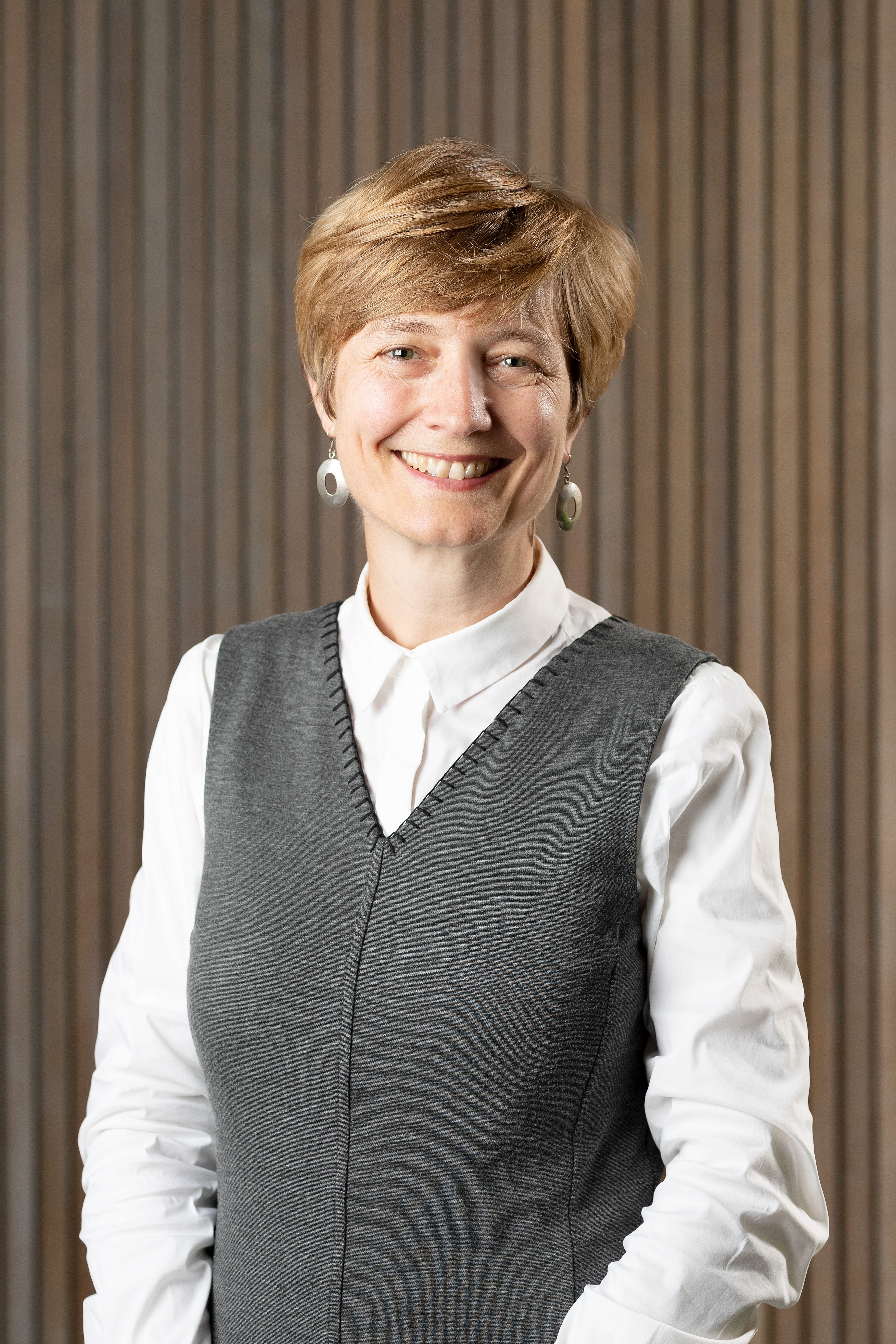
Manual Name : Elizabeth Hill
Manual Description : Professor of Political Economy
Manual Address :
Manual Addition Info Title :
Manual Addition Info Content :
Profile image : /content/dam/corporate/images/business-school/research/research-groups/women-work-leadership/elizabeth-hill.jpg
Manual Type : profile
_blank
Auto Type : contact
Auto Addition Title :
Auto Addition Content :
Auto Name : true
Auto Position : true
Auto Profile image :
Auto Phone Number : false
Auto Mobile Number : true
Auto Email Address : true
Auto Address : false
UUID :
Manual Name : Suneha Seetahul
Manual Description : Senior Research Fellow
Manual Address :
Manual Addition Info Title :
Manual Addition Info Content :
Profile image : /content/dam/corporate/images/business-school/research/work-and-organisational-studies/suneha-seetahul.jpg
Manual Type : profile

_blank
Auto Type : contact
Auto Addition Title :
Auto Addition Content :
Auto Name : true
Auto Position : true
Auto Profile image :
Auto Phone Number : false
Auto Mobile Number : true
Auto Email Address : true
Auto Address : false
UUID :
Media contact
Manual Name :
Manual Description :
Manual Address :
Manual Addition Info Title :
Manual Addition Info Content :
Profile image :
Manual Type : contact
_self
Auto Type : contact
Auto Addition Title :
Auto Addition Content :
Auto Name : true
Auto Position : true
Auto Profile image :
Auto Phone Number : false
Auto Mobile Number : true
Auto Email Address : true
Auto Address : false
UUID : 5809c882-aa0f-4ed5-98e2-44232fb05659