
For generations, bumps and collisions have been accepted as part of youth sport. But emerging research suggests they may affect developing brains beyond concussion. Growing evidence linking repeated impacts, even seemingly minor ones, to chronic traumatic encephalopathy (CTE), is prompting calls for better education and stronger protections.
A parent's challenge
Sport is a way of life in Australia, with around half of our childhood population playing organised sport each week. For kids, being on the footy field, netball court or bike track doesn't feel like taking a risk – it feels like fun. Parents, even those wary of accidents, typically believe that the myriad benefits – from fitness and friendship to resilience and confidence – outweigh the risk of injury.
Yet there are growing concerns among medical professionals about the prevalence of head injuries in young people and what repeated trauma to the brain might mean later in life.
An estimated 200,000 traumatic brain injuries are incurred in Australia each year, with sport involved in around one in five concussion-related hospital admissions. Children are thought to be more susceptible, given their less developed and therefore weaker necks and torsos. Their risk of longer-term effects may also be greater, as their brains' frontal and temporal lobes continue to develop until at least their early twenties.
Despite this, a worryingly low 12 percent of parents say they have a comprehensive understanding of concussion, raising concerns that many may struggle to recognise the symptoms or seek timely medical help.
This was certainly the case for 44-year-old Susan (not her real name) from South Australia, when her then-14-year-old daughter began to feel nauseous after heading the ball during a game of soccer.
"She vomited, and I knew something was wrong," Susan says now. "I was terrified. The idea of concussion is scary – maybe because we still don't know a lot about it."
That gap in knowledge is something that Rebecca Richardson encounters regularly. A clinical nurse consultant and NSW study lead of the Australian Mild Traumatic Brain Injury Study (AUS-mTBI), Rebecca has spent years helping patients to navigate recovery from concussion.
"There has been so much more conversation about concussion, which has led to more people presenting to hospital when they have symptoms," she says. "It's had a great effect. People are seeking advice earlier." But, she adds, "more people need to know".
There has been so much more conversation about concussion, which has led to more people presenting to hospital when they have symptoms. But more people need to know.
Rebecca Richardson, NSW study lead, Australian Mild Traumatic Brain Injury Study (AUS-mTBI)
Looking beyond concussion
While public discussion has largely focused on diagnosed concussions, researchers are increasingly concerned about the effect of repeated head impacts – even those that do not cause obvious symptoms.
Clinical Associate Professor Michael Buckland (BSc (Hons) '90, MBBS '93), who is Head of the Molecular Neuropathology Program at the University's Brain and Mind Centre, studies chronic traumatic encephalopathy (CTE), one of sport's most complex and controversial health issues.
Concussion and CTE, Michael emphasises, are not the same thing. Concussion is a short-term brain injury caused by a blow or other significant force to the head. CTE, by contrast, is a progressive neurodegenerative disease linked to repeated head trauma, which can only be diagnosed after death and has been linked to mood changes, aggression, depression, memory loss and even dementia.
Michael is increasingly concerned about sub-concussive impacts – the many smaller knocks and collisions that often go unnoticed. One impact alone may seem insignificant, but the cumulative effect of hundreds or thousands over a lifetime is a growing area of concern.
In 2018, Michael founded the Australian Sports Brain Bank to better understand links between repeated head trauma and neurodegenerative conditions such as CTE. As a neuropathologist, he had seen firsthand how much remained unknown.
"I see a lot of people with neurodegenerative diseases," he says, "and I realised there was a gap in knowledge in the presentation of CTE. I knew there was more out there."
To help fill that gap, Michael and his team study the donated brains of former athletes. Their research has strengthened evidence linking repeated head trauma to CTE, and uncovered concerning associations with mental health outcomes, particularly among participants in at-risk sporting codes, including rugby and Australian Rules football.
While the relationship between repeated trauma to the brain and mental health issues has often been publicly contested, Michael believes it is one of the most important areas of research. "There is good data that a single concussion in a young person doubles suicide risk," he says. "There is also a disturbing association between CTE and suicide in the young, but we don't understand it enough to put numbers around an increased risk.
"We don’t know what we don't know," Michael observes. "And there is so much still to learn about concussions – especially the way they impact our mood. There is much more work to be done."
Michael looks forward to continuing this work with the Sydney Biomedical Accelerator when it opens in 2028. The $780 million biomedical research, education and translation hub will link the University of Sydney and Royal Prince Alfred Hospital, providing state-of-the art facilities and new ways of working that will allow researchers, clinicians and industry to collaborate to solve complex health challenges.
We don’t know what we don’t know. There is so much still to learn about concussions – especially the way they impact our mood.
Clinical associate Professor Michael Buckland (BSc (Hons) ’90, MBBS ’93)
Getting help early
As researchers investigate the long-term effects of repeated head trauma, clinicians like Rebecca are focusing on what happens in the immediate aftermath of a concussive injury. While most people will fully recover, Rebecca emphasises that prompt assessment is key.
"The first 24 to 48 hours after a concussion should involve relative, rather than strict, rest," she says. "You can continue everyday tasks and light physical activity, such as short walks, as long as it doesn’t worsen symptoms. Contrary to popular belief, sleep is safe and essential to recovery. It's fine to sleep following a concussion, but increased observation overnight may be helpful."
Rebecca says that although people may feel symptom-free after 10 to 14 days, brain energy levels can take 22 to 45 days to fully recover.
For those looking for further help, Rebecca points to HeadCheck, a free app that provides information to patients while also passing on concussion-related data to the AUS-mTBI. "It's a wonderful resource," she says.
Susan agrees. Another parent on her daughter's soccer team referred her to HeadCheck when her daughter began to display symptoms of concussion. On the app's recommendation, Susan took her daughter to see a doctor, who formally diagnosed her.
"We used the app for daily symptom checking," Susan recalls. "Things like, can she go back to school, is it OK to go for a walk – that sort of thing."
Susan's daughter is now playing soccer again – but with strictly no headers.
Building a safer sporting culture
Beyond education for parents, both Rebecca and Michael are eager to see sporting organisations take head injuries more seriously at local level.
"We need to hold sporting clubs to account in their self-reporting," Rebecca says, noting that the typical concussion patient is aged 15–24, and male. "We don’t have perfect data, but we do know that increased participation in sport is up there with exposure to substances, increased likelihood of assault and driving and bike accidents in leading to more injuries in this population."
While greater public awareness of concussion is already changing the way people respond to potential head injuries, Michael argues that sport needs to think beyond concussion management alone.
"Every code needs to have a CTE prevention protocol to sit alongside a concussion protocol," he says.
Both Michael and Rebecca are eager to see sporting organisations take head injuries more seriously at a local level. Image credit: Stefanie Zingsheim / The University of Sydney
50
automatic
LinkRather than simply responding to injuries when they occur, Michael believes early intervention is key, suggesting a blanket ban on contact sports for children under 14 to reduce players' exposure to repetitive head impacts during this critical period of brain development. He compares the idea to the social media ban, where government intervention supersedes parental control. A similar policy for contact sports – one that limits activity time or the number of sports played – could offer a new cultural norm that would mean parents themselves don’t have to field questions like, "Can I play three rounds of footy this weekend?"
"Some schools basically force kids to play footy – and they are the institutions tasked with keeping our kids' brains healthy," Michael says. "[A policy like this would] allow a new set of rules, and a new culture."
In the shorter term, he encourages parents and athletes themselves to think seriously about how their sporting clubs and schools approach head injuries.
"In an ideal world, we would treat exposure to footy and other contact sports like exposure to the sun in the middle of summer," he says. "Yes, it's part of our lives – but how can you reduce your exposure? Maybe you choose to only play one contact sport on the weekend. Maybe you reduce full-contact training and only embrace contact during a game itself.
"Or maybe," he adds with lightness, "you switch to tennis."
Behind the humour is a serious message. The goal is not to discourage young Australians from playing the sports they love, but to encourage a more thoughtful approach to how and when they are exposed to head impacts.
For many Australians, sport is woven into community life, making change as much a cultural challenge as a sporting one.
"I suspect it will take a generational change before attitudes truly begin to shift," Michael says.
Hero image: Stefanie Zingsheim / The University of Sydney
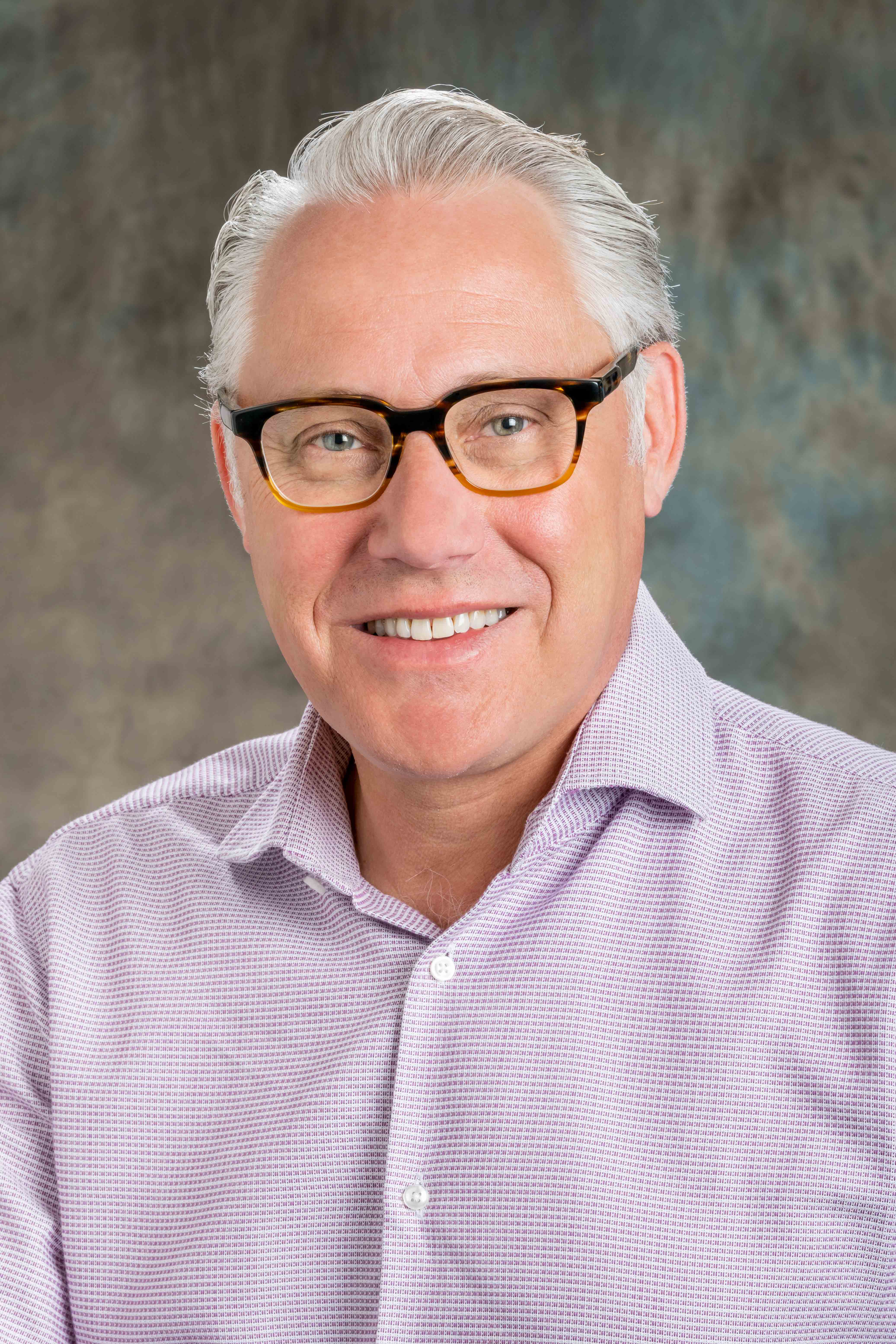
Manual Name : Associate Professor Michael Buckland
Manual Description : Clinical Associate Professor, Faculty of Medicine and Health
Manual Address :
Manual Addition Info Title :
Manual Addition Info Content :
Profile image : /content/dam/people/michael-buckland.jpg.jpeg
Manual Type : profile
_self
Auto Type : contact
Auto Addition Title :
Auto Addition Content :
Auto Name : true
Auto Position : true
Auto Profile image :
Auto Phone Number : false
Auto Mobile Number : true
Auto Email Address : true
Auto Address : false
UUID :