
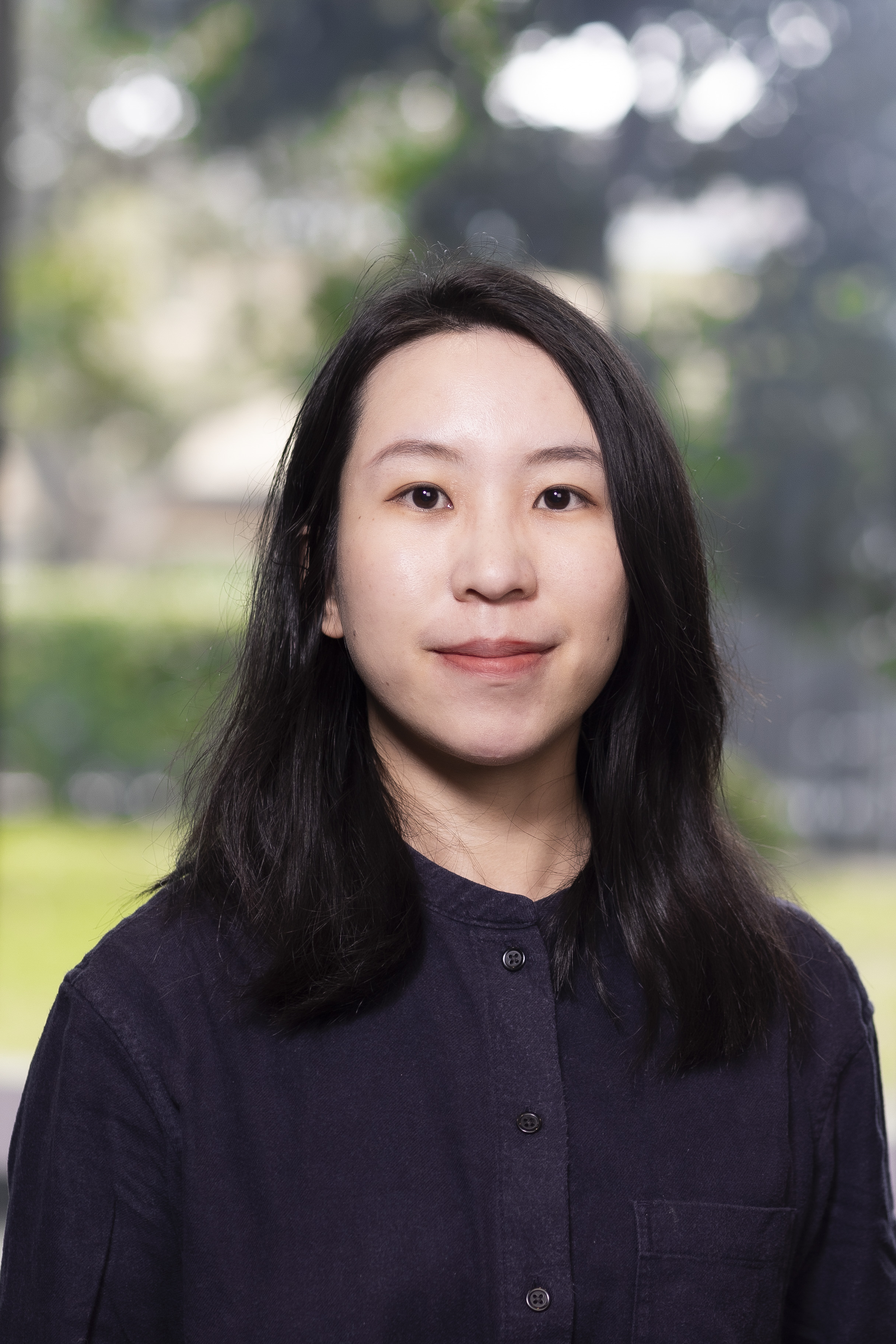
Dr Jiaying Li is a researcher in wastewater-based epidemiology for public and environmental health, and heads the Environmental Laboratory at the University of Sydney’s School of Civil Engineering.
Together with her team, she has developed innovative techniques that allow them to detect the presence in domestic and industrial wastewater of a broad range of biological and chemical markers, including pathogenic viruses, illicit drugs, ‘forever chemicals’ and other contaminants. The data they’re gathering is informing the efforts of water industry, government and other agencies to protect our health as a community, as well as that of our environment.
“Our work is like a doctor’s,” Dr Li explains, “but not just for individuals. It’s a diagnostic tool for the health of entire suburbs, cities or other populations, along with their environment. Collecting and analysing wastewater is a cost-effective way of monitoring a population’s health and wellbeing, and potential contaminants to its environment, in real time.”
An early project in which Dr Li was involved focused on tracking the use of illicit drugs across various Australian locations over many years, with the resulting data used to inform the government’s management of the issue.
The team’s next major project arose quite unexpectedly and proved to have a lasting impact, much like the phenomenon that gave rise to it: COVID-19.
Our work aims not to find an individual infected person but to inform the public health authorities that there could be transmission in this particular suburb, so they might want to inform people of a potential outbreak or encourage them to get tested.
Dr Jiaying Li
Sydney Horizon Fellow, ARC DECRA Fellow Lecturer, Research Fellow, School of Civil Engineering
Detecting COVID-19 cases before the healthcare system
Early in 2020, when COVID-19 was still largely a frightening unknown here in Australia, the research team of which Dr Li was a member provided the first evidence of the virus’s presence within a particular suburb – even before the infected patient had presented to a doctor – by analysing samples of untreated wastewater from the local suburban pumping station. This evidence informed health authorities of a potential outbreak in the community.
A person infected with COVID-19 – even when asymptomatic – sheds the SARS-CoV-2 virus through their faeces, which enters the sewage system and passes through their local pumping station before joining the broader treatment plant for their catchment area. Being able to detect the virus’s presence in this way was critical to monitoring and containing its spread.
“We actually captured the presence of COVID in that suburb before ‘patient zero’ had been identified clinically,” Dr Li says. “This is important, because when people are infected, some choose to stay at home rather than going to a clinic – but they still use the wastewater system. Our work aims not to find an individual infected person but to inform the public health authorities that there could be transmission in this particular suburb, so they might want to inform people of a potential outbreak or encourage them to get tested.”
As vaccines became available and the threat of COVID was eventually downgraded, Dr Li’s team used the accelerated experience and strong industry and government partnerships they’d developed through this work to inform their next project – identifying and managing harmful chemicals released by specific point sources, such as industry, into the wastewater system and ultimately the environment.
Collecting and analysing wastewater is a cost-effective way of monitoring a population’s health and wellbeing, and potential contaminants to its environment, in real time.
Dr Jiaying Li
Sydney Horizon Fellow, ARC DECRA Fellow Lecturer, Research Fellow, School of Civil Engineering
Fighting ‘forever chemicals’
‘Forever chemicals’ are a large group of synthetic compounds used widely in both domestic and industrial settings. The reason for their collective name is that, once released into the environment, they can remain intact for thousands of years, accumulating not only in the soil, air and water but also in the tissues of living things, including humans, where they have been linked to health conditions such as cancers and immune disorders.
Exacerbating this issue is the fact that new such chemicals are being produced and released by industry more quickly than government policy can regulate them, as our understanding of their persistence and long-term health effects has not kept up with industrial progress. This is where Dr Li’s work comes in.
“It’s important for us to identify these chemicals before they cause harm,” Dr Li explains. “But currently we don’t even know which particular industry or industries release them, because there is no requirement for industry to reveal this information. Routine analysis of industry wastewater focuses on things like pH and the presence of heavy metals – industries are not currently required to do any more comprehensive analysis.”
Public health and environmental protection agencies, however, are understandably keen to know more, so they have engaged Dr Li’s team to collect wastewater samples from different industry sites, analyse them to identify the chemicals present – and create an archive of them for future reference when we have learned more about the effects of compounds triggering newer concerns.
“The next stage of this project,” Dr Li says, “will involve collecting samples from a wider range of industries, developing more analytical methods to detect more chemicals and biomarkers related to environmental and public health, and developing ways of separating these chemicals from the wastewater system so that they are not released into the environment.”
A multidisciplinary approach for optimal impact
Such work is by nature multidisciplinary, integrating as it does wastewater sampling, trace chemical analysis, genomic sequencing, pollutant removal, geospatial analysis, socioeconomic metadata analysis and modelling.
Partnerships with other researchers, government and industry have therefore been critical, as has funding support from the Australian Research Council (ARC), water industry bodies, government agencies and, of course, the University itself.
The ultimate objective of all of this work is a healthier human community and a more sustainable natural environment – the pursuit of which gives Dr Li great satisfaction. “I think researchers in general want to contribute to knowledge and to society,” she reflects. “And I feel that my research does both.”
Manual Name : Dr Jiaying Li
Manual Description : Sydney Horizon Fellow, ARC DECRA Fellow Lecturer, Research Fellow, School of Civil Engineering, Head of the Environmental Engineering Laboratory
Manual Address :
Manual Addition Info Title :
Manual Addition Info Content :
Profile image : /content/dam/corporate/images/research/sydney-horizon-fellowships/jiaying_li_engo1.jpg
Manual Type : profile
_self
Auto Type : contact
Auto Addition Title :
Auto Addition Content :
Auto Name : true
Auto Position : true
Auto Profile image :
Auto Phone Number : false
Auto Mobile Number : true
Auto Email Address : true
Auto Address : false
UUID :