

What ‘nature positive’ means in practice
The term ‘nature positive’ has gained significant traction, now often mentioned alongside ‘net zero’ by governments and corporations. But what does it mean in practice, and who stands to benefit from it? This panel explored the concept of ‘nature positive’, examining its role in conservation, policy, and finance. We delved into the vested interests behind the term, questioning whether it really benefits ecosystems and marginalised communities or if it’s just another corporate buzzword, in a critical discussion on the future of conservation.
This event was part of SEI’s Climate Justice Series. This panel series brings together leading thinkers and practitioners to explore the urgent intersections of climate action, equity, and systemic change.
Speakers

Carolyn Hogg (Chair), biodiversity conservation expert
Carolyn Hogg is a Professor of Biodiversity and Conservation at the University of Sydney and Deputy Director (External Engagement) at the Sydney Environment Institute. She has been working on the conservation of threatened species for over twenty-five years both in Australia and overseas. She is the Science Lead & Chair of the national Threatened Species Initiative, a program generating genomic resources for Australia's threatened species, and co-lead of the Australasian Wildlife Genomics Group in the Faculty of Science. Carolyn has been working with the Save the Tasmanian Devil Program for the past 14 years; in addition to other species such as orange-bellied parrots, koalas, bilbies and woylies. Working closely with both academic and conservation management partners, her vision is to create a conservation legacy for Australia by changing the way we integrate science, management and policy; to proactively promote species’ resilience in the face of a changing world. This can be achieved by developing better tools and technologies to integrate molecular genetics into real-time conservation management decisions.

Dwayne Mallard, Arjaway
Dwayne Mallard is a Wajarri-Nanda, Yamatji man from Western Australia and the founder and managing director of Arjaway (Aboriginal word for ‘other way’), a social enterprise aimed at creating social alchemy through the collective impact of enhancing individual, family and social function. Dwayne sets about imparting a whole of system view influenced by the ancient Aboriginal cultural wisdom of ‘Wiiudba – Deeper Knowing.’ He is the first Indigenous person to be appointed to the Board of the Royal Flying Doctor Service WA and WA Soil and Land Conservation Council.
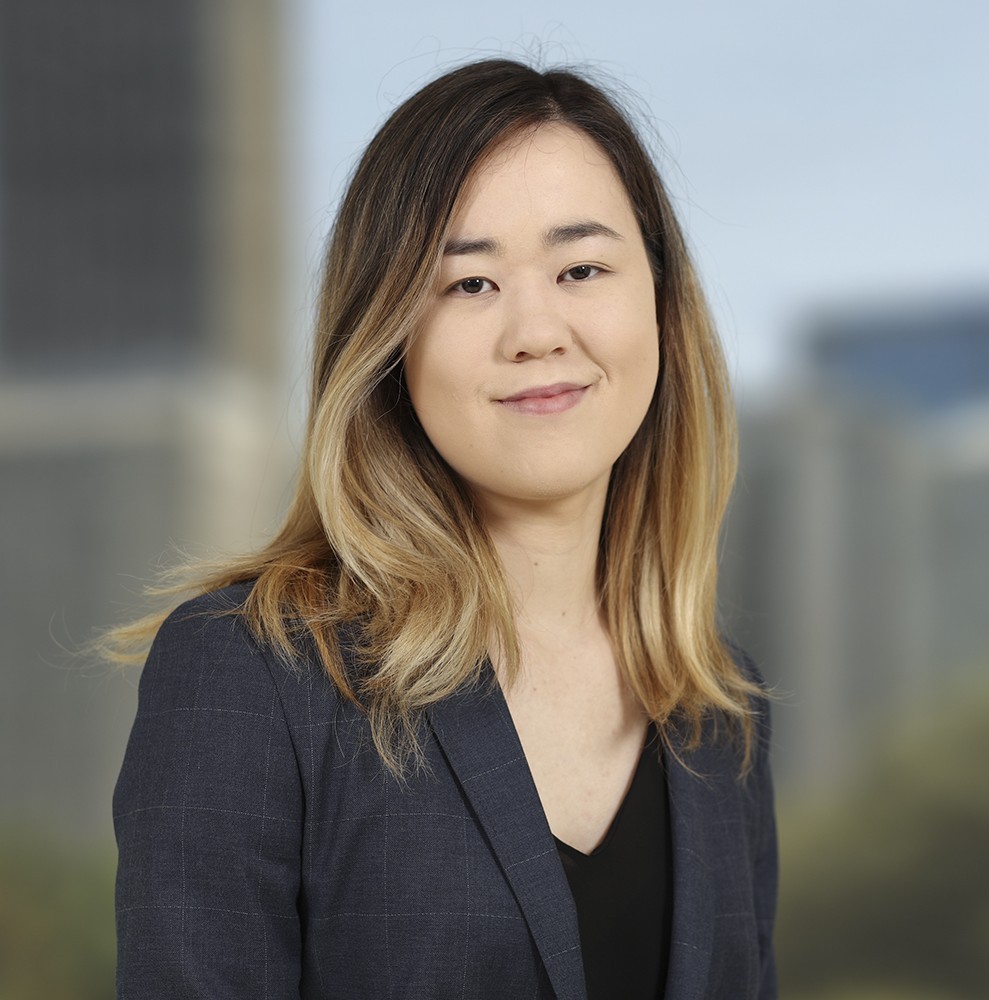
Chloe Fisher, sustainability reporting expert
Chloe Fisher is a leader in Deloitte Australia’s Sustainability & Climate team who leverages her unique background in law and innovation to help clients meaningfully tackle wicked problems such as climate change and nature loss. Chloe has led the delivery of nature services for clients across a range of sectors, including energy and resources, transport and infrastructure, agriculture and forestry, finance, and government. She has also co-authored several reports on nature, including Banking on Natural Capital with WWF Australia and Embedding Indigenous Knowledge in the Conservation and Restoration of Landscapes with the World Economic Forum, and led the development of the world’s first integrated TCFD/TNFD report, which was launched by the TNFD Secretariat at New York Climate Week in 2023.

Hugh Possingham, former QLD Chief Scientist
Hugh Possingham is the former Queensland Chief Scientist and is best known for his work in conservation research. He is a Professor at the University of Queensland in the Centre for Biodiversity and Conservation Science, is Chief Scientist of Accounting for Nature, and Co-Chair of the Biodiversity Council. He works on problems to secure the world's biological diversity: efficient nature reserve design, habitat reconstruction, optimal monitoring, optimal management of populations for conservation, cost-effective conservation actions for threatened species, pest control and population harvesting, survey methods for detecting bird decline, bird conservation ecology, and environmental accounting. Hugh likes birds, especially Australian Robins.

Jody Gunn, conservation scientist and leader
Jody Gunn is CEO of the Australian Land Conservation Alliance (ALCA), where she leads the organisation’s work to advance large-scale conservation of Australia’s private land. With more than 20 years of experience across the academic, government, and not-for-profit sectors, Jody is a conservation scientist and executive leader committed to protecting land, water and culture at both national and international scales. Before joining ALCA in 2021, Jody served for six years as an Executive Manager at Bush Heritage Australia. There, she oversaw the expansion of the organisation’s reserve network and partnerships, led the growth of a private land stewardship program on agricultural land, and deepened Aboriginal partnerships across Bush Heritage’s operations in South East Australia. Her earlier roles include leading joint management planning with the Northern Territory Parks and Wildlife Commission, and managing conservation partnerships for Fauna & Flora International.