
Public backs rail over buses
As Sydneysiders get ready for the closure of George Street and work to begin on the Sydney Light Rail project this week, the latest Transport Opinion Survey shows the public lacks faith in the ability of governments to deliver transport improvements.
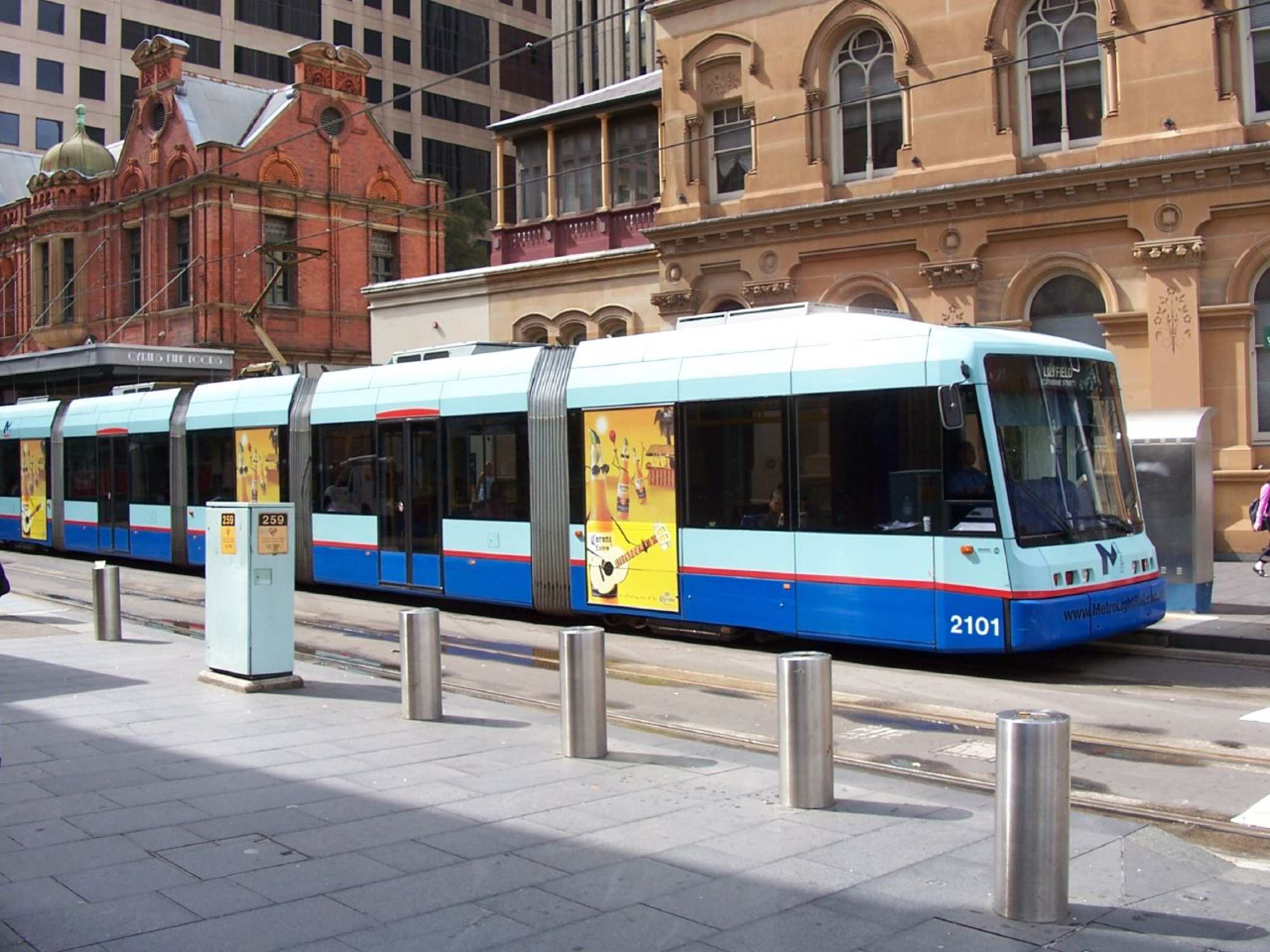
Australians are in favour of significant spending on public transport, would prefer to see the development of rail over bus services and are continuing to lose faith in the ability of governments to deliver transport improvements, according to the latest survey by the University of Sydney Business School.
The latest Transport Opinion Survey (TOPS), conducted by the school’s world-renowned Institute of Transport and Logistics Studies (ITLS), asked participants how they would like to see their government to spend a hypothetical budget of a $100 billion on transport improvements.
Slightly more than half (51 per cent) answer public transport with 49 per cent preferring to see the money spent on roads.
"It is clear that there remains a strong community commitment to improved public transport," said ITLS Director Professor David Hensher.
The latest TOPS also found that three in five Australians would prefer see investment in rail over bus services.
When asked to choose between the development of a 30-kilometre rail corridor or 300 km of dedicated bus lanes for the same cost, around 60 per cent nationwide preferred a rail corridor. Queensland and South Australia had a relatively higher number of participants supporting dedicated bus lanes (44 percent).
"This confirms findings from other research. Residents with experience of dedicated bus systems are very much in favour whereas those lacking this experience tend to defaults to the sexier looking light rail systems," said Professor Hensher. "Those states with fast bus systems (South Australia and Queensland) recognise how much they can contribute."
This TOPS also revealed a continuing decline in confidence amongst participants in the ability of government to deliver improvements to transport in their local area and across Australia. The transport confidence index fell to its lowest level since the survey commenced in 2010, with a very strong decline in confidence since September 2013.
The survey was conducted in September 2015, just prior to a change in federal government leadership.
"Statements from the new Prime Minister recognising the importance of Australian cities, may make a difference to confidence levels," Professor Hensher concluded.
TOPS is the only national survey to measure public opinion on transport related issues. The full 2015 report is at: http://sydney.edu.au/business/itls/tops.
Related articles
Surge in flu this winter
People suffering severe flu this winter should seek medical treatment as soon as possible.

Dementia tsunami: Alzheimer's and other dementias to triple by 2050
Governments need to take action on delaying the onset of Alzheimer's disease and other dementias, argues Associate Professor Lesley Russell.
Legalising medicinal cannabis would create $100 million industry
Analysis from the University of Sydney Business School has found that legalising medicinal cannabis in Australia could create a new industry worth more than $100 million per year.
Ready, set, Rio: Sydney cohort heads to the Games
As more than 3.5 billion people around the world turn their sights towards Rio this week, 30 athletes from our community are getting ready to take their place on the globe’s biggest sporting stage.
Science student makes greatest self-discovery at the University
'Leave your comfort zone' is Kevin Gatdula’s motto in life. With an emphasis on continual personal development, the 20-year-old Bachelor of Commerce and Science student believes that this is the only way to cultivate a journey of personal growth.
Learning never stops - but it starts at Open Day
Like so many high school students in their final year, Denise Ong had a head full of questions. Little did she know at the time that one question she asked would later lead to a major turning point in her story.
Australian study wants your view on personal genomic testing
Do you want to know about your genetic information? Would you share it?
Sydney at Rio: two silver and a bronze add to our tally
In a blockbuster first week at Rio 2016 our athletes have continued to excel winning two silver and a bronze to add to Chloe Dalton's gold in the Rugby Sevens. Our total would see us sitting at 35th on the country tally rankings – ahead of Ireland, Slovenia and Romania.
Future research stars supported under new Sydney fellowship
The first cohort of fellows of the University's new Sydney Research Accelerator (SOAR) program has been announced.
Sydney tops the state for graduate employability
The University of Sydney has been ranked number one in New South Wales and 49 in the world in the most recent Times Higher Education Global Employability University Rankings.