
Traumatic vaginal births putting women at risk
Women need better information about the risks associated with vaginal births, with close to 30 per cent experiencing substantial trauma, according to new research.
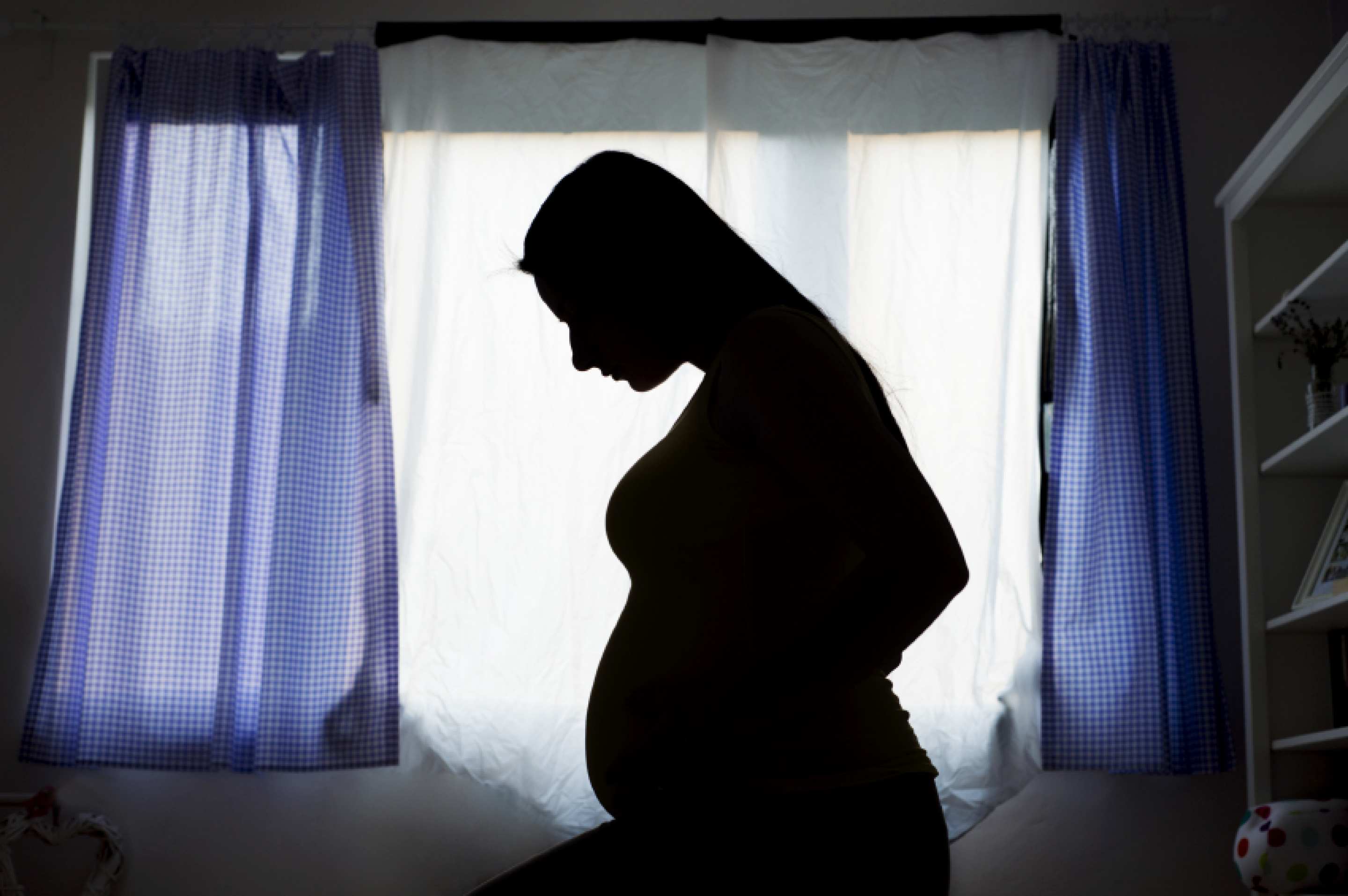
“Mothers do much more damage to themselves when having babies than we were aware of in the past,” says Dr Peter Dietz, Professor of Obstetrics and Gynaecology at Sydney Medical School.
“Originally, we thought just a few per cent of women experienced substantial trauma but it is actually closer to 30 per cent of all women who deliver babies vaginally.”
Professor Dietz says vaginal birth trauma can damage the pelvic floor muscle and anal sphincter, leading to pelvic organ prolapse and fecal incontinence.
“In fact, 20 to 30 per cent of first time mothers experience trauma to their pelvic muscles and external anal sphincter muscles during a vaginal birth. Consequently 20 per cent of Australian women need surgery for this later in their lives,” he said.
“Major pelvic floor trauma suffered during vaginal childbirth seems to be a marker for psychological trauma, including post-traumatic stress disorder resulting from difficult deliveries. Many doctors and midwives are unaware of this.”
First time mother and registered nurse Anne sustained severe damage from her vaginal birth that five years later she suffers frequent passing of urine, prolapses and a dragging feeling in her pelvis.
"I can no longer run long distances and I'm unable to participate in races like the City to Surf, which I did pre-baby. I continue to struggle interpersonally. I'm now single and the thought of having to tell a prospective partner of my condition is difficult," she says.
While physical trauma may take decades to manifest as fecal incontinence or female pelvic organ prolapse, psychological impacts are much more likely to be immediate, according to midwife and University of Sydney PhD student, Liz Skinner.
“Qualitative research to date reveals limited understanding of women’s post-natal physical and psychological experiences and subsequent health problems,” says Ms Skinner.
“We need to understand how we can better help women who’ve sustained these injuries by acknowledging their concerns and providing diagnostic and therapeutic services. This is unlikely to occur unless health practitioners learn how to properly diagnose maternal birth trauma and account for women’s perceptions and needs after a traumatic vaginal birth.
“We didn’t know about this previously because we had limited means of seeing such damage. Now that we have a way to diagnose pelvic floor trauma we’re teaching it worldwide to thousands of colleagues per year.
“With modern ultrasound imaging an assessment can be done simply and cheaply, with minimal inconvenience. Our unit at Nepean Hospital is leading the world in this area,” said Ms Skinner.
Related articles
Surge in flu this winter
People suffering severe flu this winter should seek medical treatment as soon as possible.

Dementia tsunami: Alzheimer's and other dementias to triple by 2050
Governments need to take action on delaying the onset of Alzheimer's disease and other dementias, argues Associate Professor Lesley Russell.
Legalising medicinal cannabis would create $100 million industry
Analysis from the University of Sydney Business School has found that legalising medicinal cannabis in Australia could create a new industry worth more than $100 million per year.
Ready, set, Rio: Sydney cohort heads to the Games
As more than 3.5 billion people around the world turn their sights towards Rio this week, 30 athletes from our community are getting ready to take their place on the globe’s biggest sporting stage.
Science student makes greatest self-discovery at the University
'Leave your comfort zone' is Kevin Gatdula’s motto in life. With an emphasis on continual personal development, the 20-year-old Bachelor of Commerce and Science student believes that this is the only way to cultivate a journey of personal growth.
Learning never stops - but it starts at Open Day
Like so many high school students in their final year, Denise Ong had a head full of questions. Little did she know at the time that one question she asked would later lead to a major turning point in her story.
Australian study wants your view on personal genomic testing
Do you want to know about your genetic information? Would you share it?
Sydney at Rio: two silver and a bronze add to our tally
In a blockbuster first week at Rio 2016 our athletes have continued to excel winning two silver and a bronze to add to Chloe Dalton's gold in the Rugby Sevens. Our total would see us sitting at 35th on the country tally rankings – ahead of Ireland, Slovenia and Romania.
Future research stars supported under new Sydney fellowship
The first cohort of fellows of the University's new Sydney Research Accelerator (SOAR) program has been announced.
Sydney tops the state for graduate employability
The University of Sydney has been ranked number one in New South Wales and 49 in the world in the most recent Times Higher Education Global Employability University Rankings.