
Honours subject area
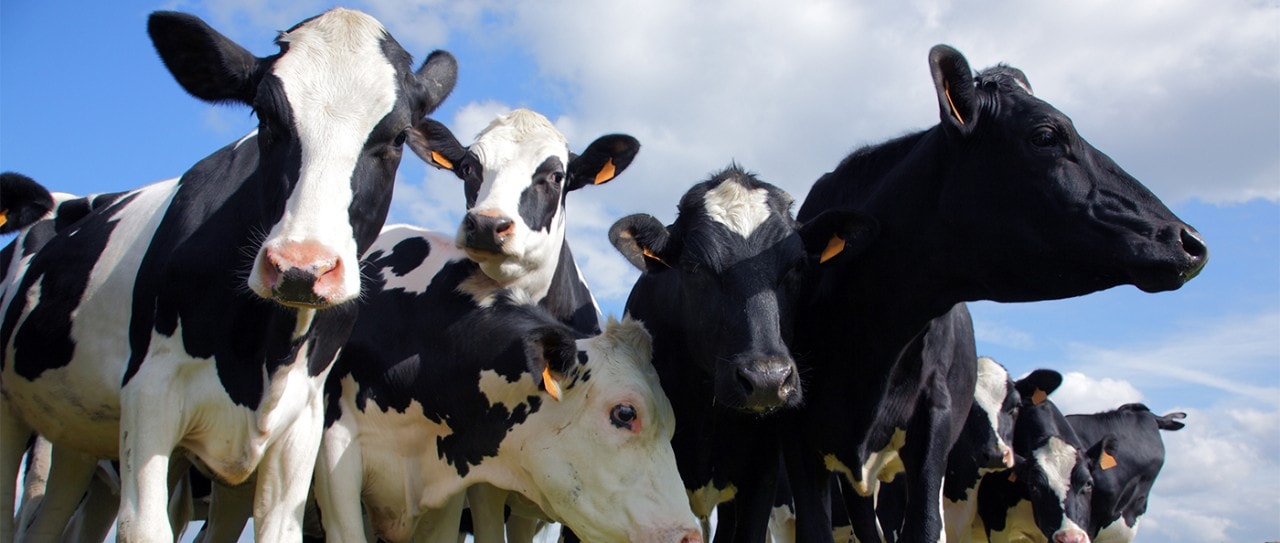
About this honours subject area
Animals play an essential role in society, from food and fibre production to companionship. The Animal Health, Disease and Welfare honours program combines animal biology and ecology with comparative and veterinary science, offering opportunities to explore topics such as infectious disease control, disease surveillance, animal welfare, and animal production. You’ll work alongside leading researchers, apply your scientific knowledge to real-world challenges, and contribute to advances that benefit both animals and communities. As part of this honours course, you’ll undertake an independent research project under the guidance of expert academic supervisors, supported by advanced coursework to sharpen your technical, analytical, and critical thinking skills. You’ll produce a portfolio of written and oral work that demonstrates your expertise and prepares you for careers in research, industry, or further study at a higher degree level.
Animal Health, Disease and Welfare honours projects are available to any student who has graduated with a Bachelor of Science with a major in Animal Health, Disease, and Welfare or equivalent degree/major.
Unit of study requirements for Honours in Animal Health, Disease, and Welfare: completion of 24 credit points of project work and 24 credit points of advanced coursework.
For further details about honours in Animal Health, Disease and Welfare, please get in touch with the honours coordinator, Associate Professor Sonia Liu (semester 1) or Dr Hamutal Mazrier (semester 2). For more information on Animal Health, Disease and Welfare you may also contact Dr. Gary Muscatello or Professor Simon De Graaf.
Applying for Honours in Animal Health, Disease and Welfare
Application to Honours is a two-step process. You first submit an Expression of Interest for a supervisor and project to the School of Life and Environmental Sciences, then apply for admission through the Faculty of Science.
- You can search for a supervisor and browse available projects on the EoI portal link
- If your Expression of Interest (EoI) is accepted by the supervisor, you will receive an email and PDF confirmation of supervision for your nominated Honours project.
- After your EoI is approved by your supervisor, you will receive an acknowledgment email which you should attach to your application - see applying for honours.
- You will be notified of your confirmed supervisor shortly after EoI’s close. Late applications for available supervisors will be considered in the order received.
Career pathways
Courses that offer this honours area
The course information on this website applies only to future students. Current students should refer to faculty handbooks for current or past course information.
To help you understand common terms that we use at the University, we offer an online glossary.